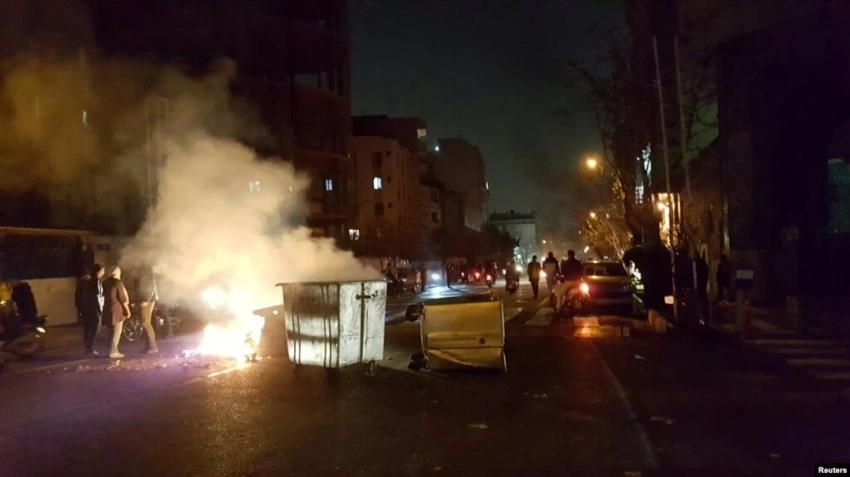
Internal Protest: Iran's Opponents Seek a Reason to Intervene in Its Affairs
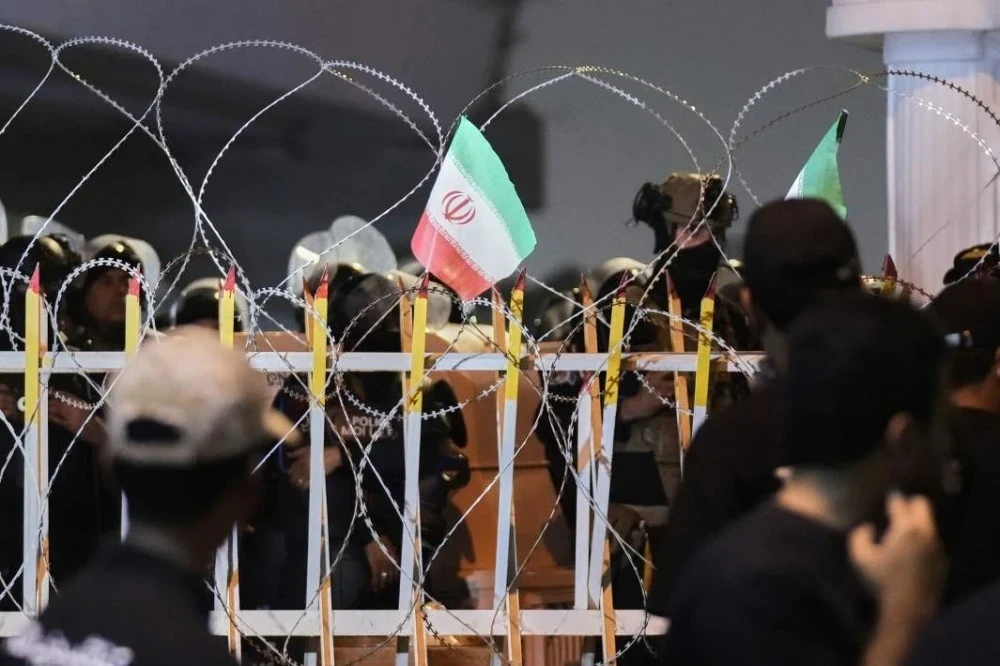
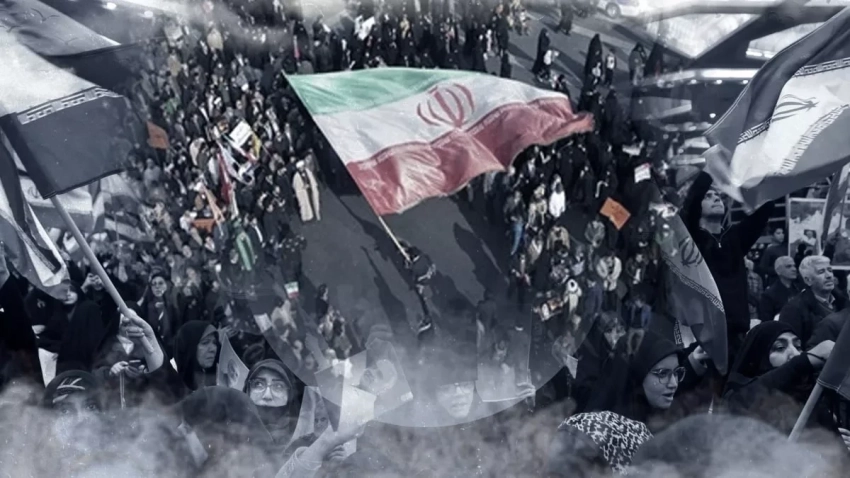
In recent days, there has been a sharp escalation of protest sentiments in Iran. According to experts, there is a high likelihood that Israel and the United States will attempt to exploit ethnic divisions within the country, aiming to corner the Iranian authorities. This could lead to a harsh crackdown on protests, creating conditions for external intervention. On January 6 and 7, the protests shifted from central regions to the outskirts, to areas inhabited by ethnic minorities. Some media reported that demonstrators allegedly seized several settlements, but this was denied by Iranian authorities. More details can be found in the article by "Izvestia".
The Second Week of Protests in Iran
The protests have been ongoing for more than 10 days, with the situation being most acute in the Ilam province, where economic protests are intensified by ethnic conflicts. The first consequences of the crisis were felt in areas populated by Kurds and Loris, leading to their active participation in protest actions. According to Western analysts, up to 60% of all protests are occurring in Ilam, and it is here that cases of the use of firearms have been recorded (at least 11 out of 25 documented episodes).
The shift in the focus of protests has not gone unnoticed by Tehran's opponents. On the night of January 6 to 7, Fox News reported that demonstrators allegedly seized the Kurdish city of Abdanan and the Malekshahi district on the border with Iraq, drawing local security forces to their side. This information came from the "National Council of Resistance of Iran" — an expatriate group that is said to have ties to the protesters. However, Iranian officials denied these claims, publishing reports from the scene.
Nevertheless, Western media continued to spread information that protesters control neighboring settlements and are even "renaming" streets in honor of Donald Trump.
As explained in an interview with "Izvestia" by Grigory Lukyanov, a specialist from the Institute of Oriental Studies of the Russian Academy of Sciences, the forces opposing Tehran need to create an image of the Iranian regime's insolvency in public consciousness.
Real Demands of the Protesters: Iranians are Asking Authorities to Stabilize the National Currency
Although the country has not reached a "point of no return," experts strongly urge Tehran to exercise caution.
- Creating confidence in society regarding the unviability of the authorities should lead to internal disintegration, not only through the defection of individual representatives of the security forces to the side of the protesters but also to the weakening of the entire political elite, - noted the expert.
Dialogue with the "Street"
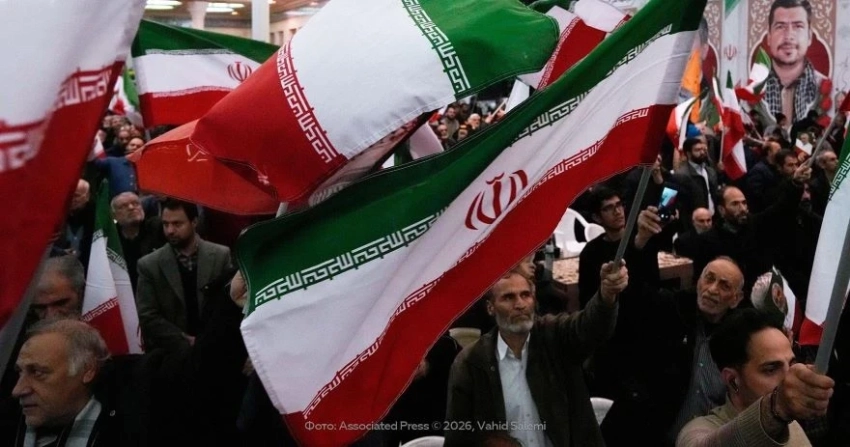
The protests in Iran began in late December 2025 against the backdrop of the devaluation of the national currency, affecting prices. By the middle of the second week of protests, the situation changed: the number of actions in major cities decreased, and protests shifted to small and medium-sized settlements, as well as rural areas, where the movement became mass but not unified.
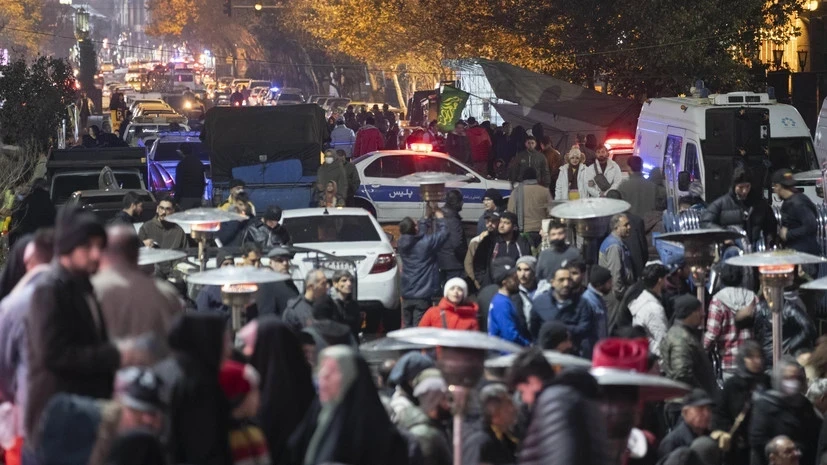
As a result, mass rallies gave way to brief clashes. Attempts by protesters to resume actions in Tehran, for example, at the Grand Bazaar, were quickly suppressed: security forces used tear gas and stun grenades, and communication and internet access were restricted in problematic areas.
However, Iranian authorities have been trying to establish a dialogue with the population from the first days of the protests and demonstrate a willingness to compromise. In addition to the change of leadership at the Central Bank, Iran's Supreme Leader Ali Khamenei has also joined the anti-crisis measures, acknowledging the mistakes of the economic bloc and promising to find a solution to the problem "as soon as possible." He urged Iranians to remain calm and obedient.
Moreover, the authorities announced new financial support measures, including a grant of 10 million rials (about $8) for each citizen. This will require allocating at least $720 million from the budget each month, equivalent to a quarter of the country's annual income for 2024. However, skeptics argue that this measure is merely a temporary solution and could lead to further deterioration of the economic situation if a comprehensive plan for supporting the population is not developed.
Risks Surrounding Tehran are Compared to the Situation in Iraq
Despite the apparent flexibility of the Iranian leadership, the authorities are marking their "red lines" in response to threats. Army Commander Amir Hatami stated that protests are a normal phenomenon, but their rapid transformation into riots is abnormal and planned by enemies.
The head of Iran's judiciary, Gholam-Hossein Mohseni-Ejei, added that the authorities do not intend to show leniency towards participants in the protests.
- We do not accept any excuses from the rioters and their defenders, as the enemy clearly supports them, - he noted.
Probability of External Intervention
As the situation in Iran develops, the rhetoric of the United States is becoming increasingly harsh. American officials are demanding that Tehran cease "repressions" against the population, emphasizing that in a short period, the number of civilian casualties has increased nearly sixfold (to 35 people), and the number of "illegally detained" protest participants has risen to 1,200 (almost 25 times). If the White House's warnings are ignored, Republicans are ready to "come to the aid" of the protesters.
Six months after the start of the Iran-Israel conflict, analysts are discussing possible scenarios for its further development.
Political scientist Dastan Tokoldoshev believes that the U.S. is not so much seeking military intervention as trying to provoke Tehran into condemned actions to justify military confrontation.
- Provocative statements could lead to actions that would corner Tehran, depriving it of the ability to make decisions without harming itself, - emphasizes the expert.
Interestingly, shortly before the protests began, on January 5, a clandestine congress of Kurdish parties took place in Eastern Kurdistan, many of which are banned in Iran. At this congress, it was decided to support the "popular uprisings" and unite efforts against Tehran.
The consolidation of Kurdish groups raises concerns, as it could become a tool for destabilization in the hands of the U.S. and Israel. In June 2025, representatives of the "Kurdistan Freedom" party attempted to establish contacts with the Israeli army for joint actions in Iran. The possibility of implementing this plan remains, given the instability on the Iran-Iraq border.
However, simultaneously using ethnic and expatriate factors to weaken Iranian power will be difficult for Tehran's opponents. For example, monarchists do not enjoy support among the Kurdish population. The position of the "Kurdistan Freedom" party towards the followers of the Shah is also very negative: they consider the Pahlavi dynasty an enemy and do not intend to participate in the restoration of the monarchy in Iran.


Related materials: