The bill clarifies both the rights and responsibilities of private bailiffs, as well as their accountability and procedures. An important aspect of the document is the regulation of issues related to the non-fulfillment of alimony obligations, both by agreement and by court decision.
According to the Deputy Attorney General, in the event of non-fulfillment of the alimony agreement, the bailiff will be required to draw up a protocol and send it to the court in accordance with the Code of Offenses. If the alimony debt exceeds 12 months, the materials will be forwarded to law enforcement agencies.
Regarding punitive measures, she noted:
- For debts exceeding three months, an arrest for a period of three days is provided;
- For repeated offenses within a year — an arrest for seven days;
- For non-payment of alimony for 12 months, community service from 100 to 200 hours or imprisonment for up to one year may be imposed;
- Concealing income or evading employment, according to a court decision, will be punished by a fine of 100,000 soms or imprisonment for up to three years.
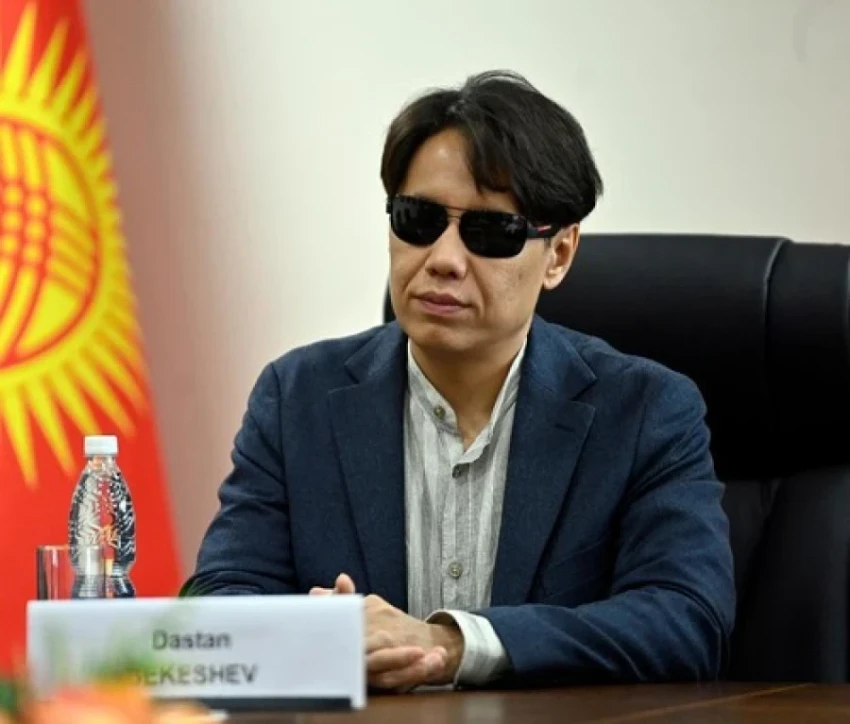
Some deputies advocated for stricter measures against parents who evade payments. Dastan Bekeshev proposed the idea of replacing alimony with state benefits for children, while the parent who fails to fulfill their obligations should be employed in public works.
As a result of the discussion, committee members approved the bill in the first reading.