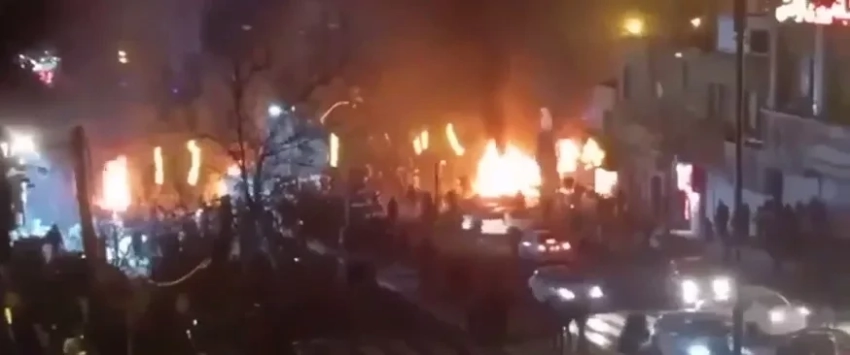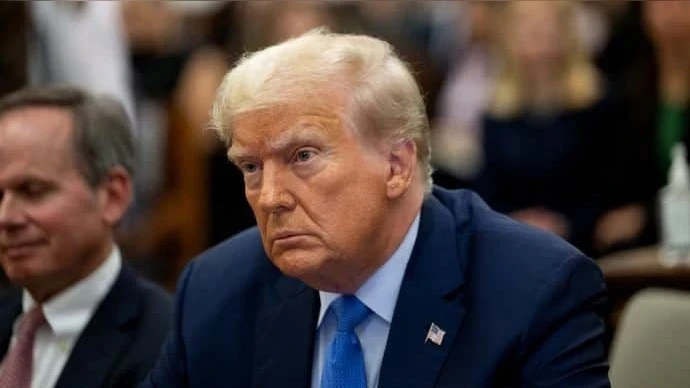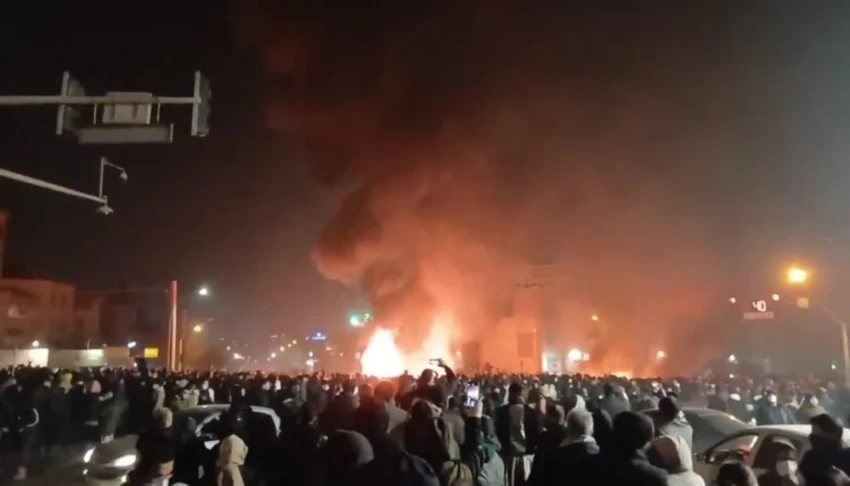
On the morning of January 13, a meeting of the national security team took place at the White House, where measures to respond to anti-government protests that have swept Tehran and other cities in Iran were discussed. As Axios learned, President Donald Trump did not participate in this meeting, and discussions are at a "fairly early stage." A source emphasized that decisions regarding military actions against Iran are not currently being made.
Change in the Trump Administration's Attitude Towards Reza Pahlavi
In the early stages of the protests, the Trump team did not view Pahlavi as a significant political player. According to Axios, last week Trump, when asked during an interview, refused to support him as a potential successor to power in Iran. However, the administration was surprised that protesters began chanting Reza Pahlavi's name during demonstrations.
According to Axios, U.S. Secretary of State Marco Rubio recently stated in closed meetings that the administration is looking to explore non-military ways to support protesters in Iran.
Trump Urges Iranians to Continue Protests
On January 2, Trump stated on social media that the U.S. would intervene if Iranian forces opened fire on peaceful protesters. According to Trump's press secretary, Caroline Levitt, the U.S. president is considering various options for action against Iran in response to the brutal suppression of protests, including airstrikes, although diplomacy remains a priority. On January 11, Trump also reported that Iranian leadership had reached out to him with a proposal for negotiations, although this claim has not been confirmed by the Iranian side.
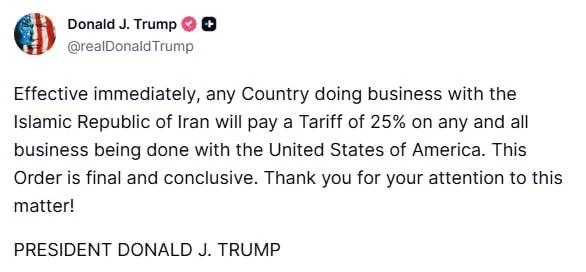
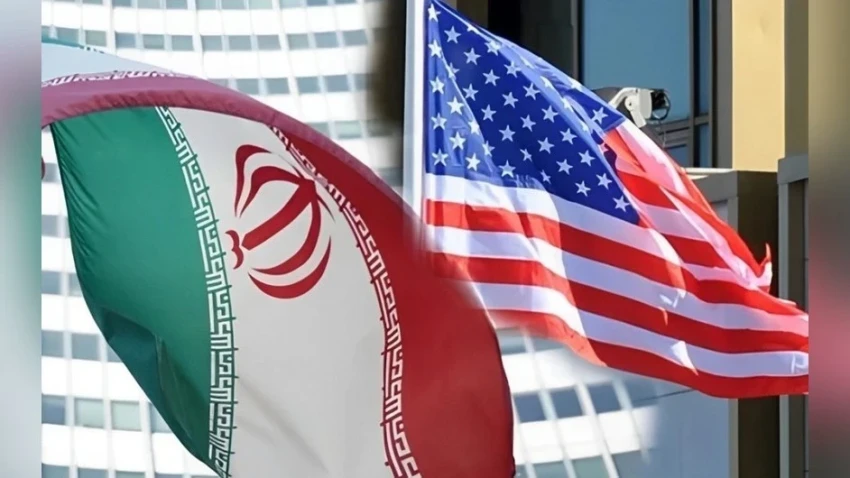
On January 12, Trump announced the imposition of 25% tariffs on all countries trading with Iran. According to Bloomberg, key trading partners of the Islamic Republic include India, China, and Turkey.
Reza Pahlavi Ready to Return to Iran
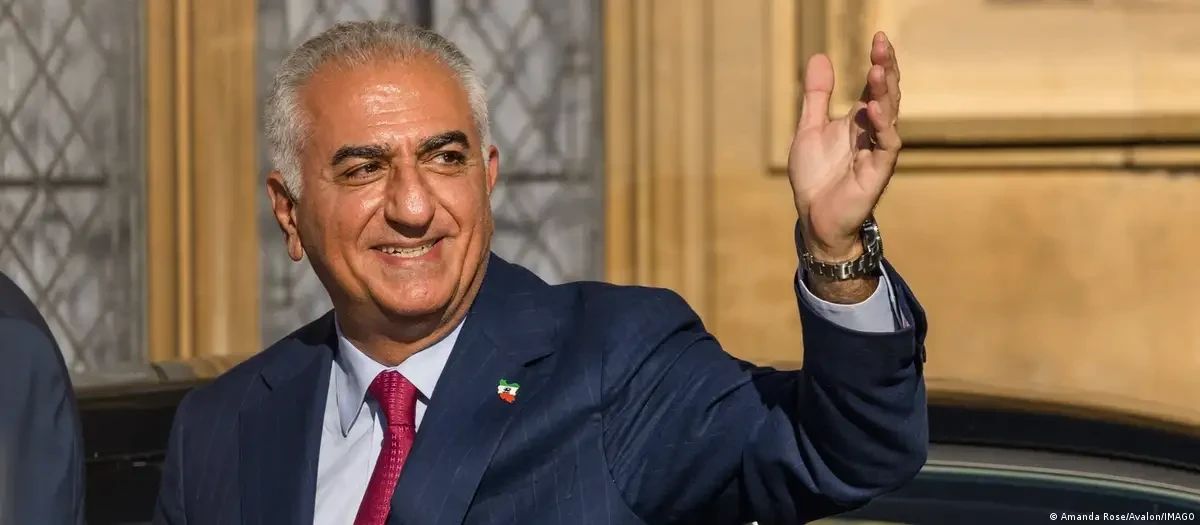
In an interview on the Sunday Morning Futures program on Fox News on January 11, Reza Pahlavi expressed his readiness to return to Iran amid mass protests and called on the U.S. leadership to act at this "decisive" moment. He also mentioned plans to create a transitional team.
“You have already laid your legacy as a person striving for peace and fighting evil,” Pahlavi noted, addressing Trump. “People in Iran are renaming streets in your honor, knowing that you are the complete opposite of Barack Obama or Joe Biden,” he added.
After the overthrow of his father, Shah Mohammad Pahlavi, 64-year-old Reza Pahlavi has lived in the U.S. and advocates for regime change in Tehran. As journalist Moloud Hajizadeh explained in an interview with DW, he has become a symbol of hope for many Iranians, reminding them of a brighter time when his father was in power before the 1979 revolution.
Mass Protests in Iran
Since December 28, 2025, mass protests have erupted in Iran, triggered by dissatisfaction with the dire economic situation. Despite harsh measures from security forces and internet shutdowns, protesters took to the streets of Tehran and other major cities, chanting slogans like "Death to Khamenei," addressing the Supreme Leader of Iran, Ayatollah Ali Khamenei. In a show of support, drivers honked their horns from their cars.