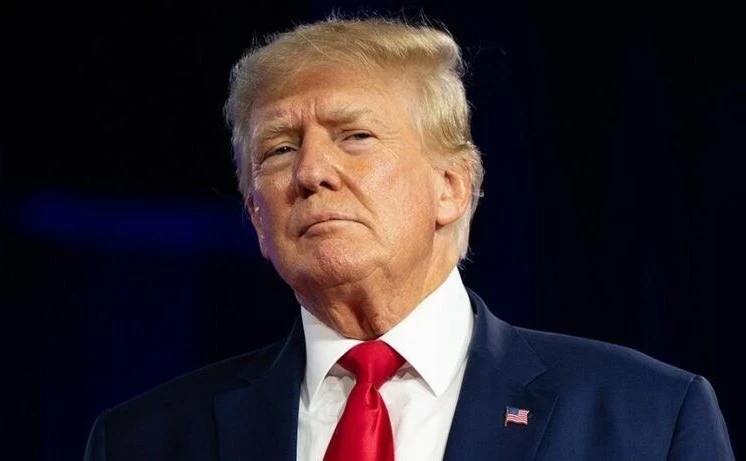
The reason for this step was the recent statements by U.S. President Donald Trump, who, in connection with the suppression of protests in Iran, stated that the White House is considering several "very tough" measures. In response to a question about whether Iran has crossed the previously established "red line" regarding the killing of protesters, Trump remarked, "It seems they are starting to do that."
In response to the suppression of protests, the European Parliament decided to ban Iranian diplomats from being on its territory. This announcement was also made on January 12, referencing a letter from the President of the European Parliament, Roberta Metsola.
The ban applies to all buildings of the European Parliament in both Brussels and Strasbourg, as well as the secretariat in Luxembourg. Iranian citizens wishing to enter the European Parliament will have to undergo special checks; if their names appear on lists of individuals associated with the regime in Tehran, they will be denied access.
Metsola, in her address to the deputies, emphasizes that "the people of Iran can count on further support and solidarity from this parliament."
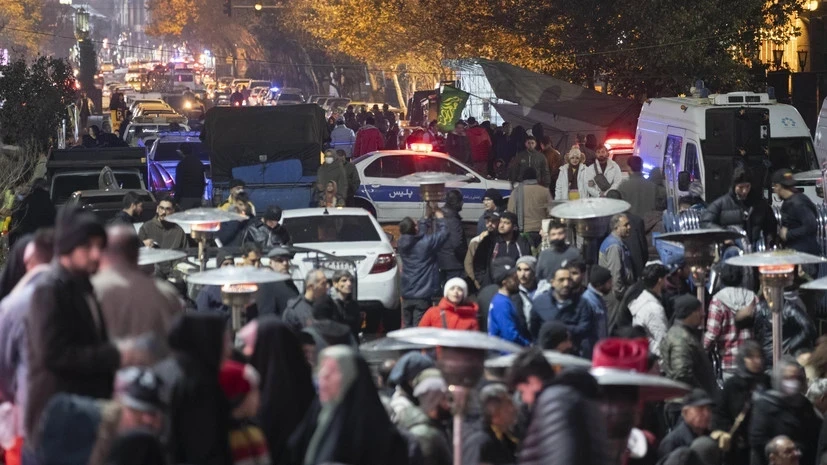
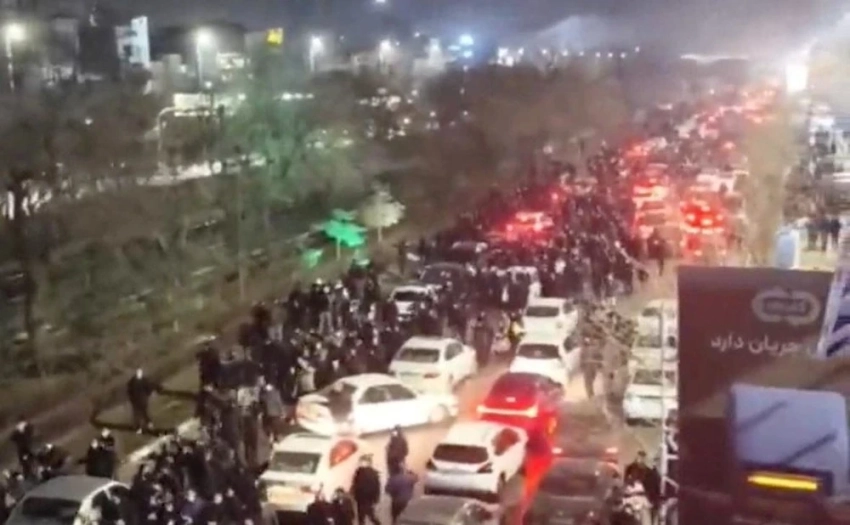
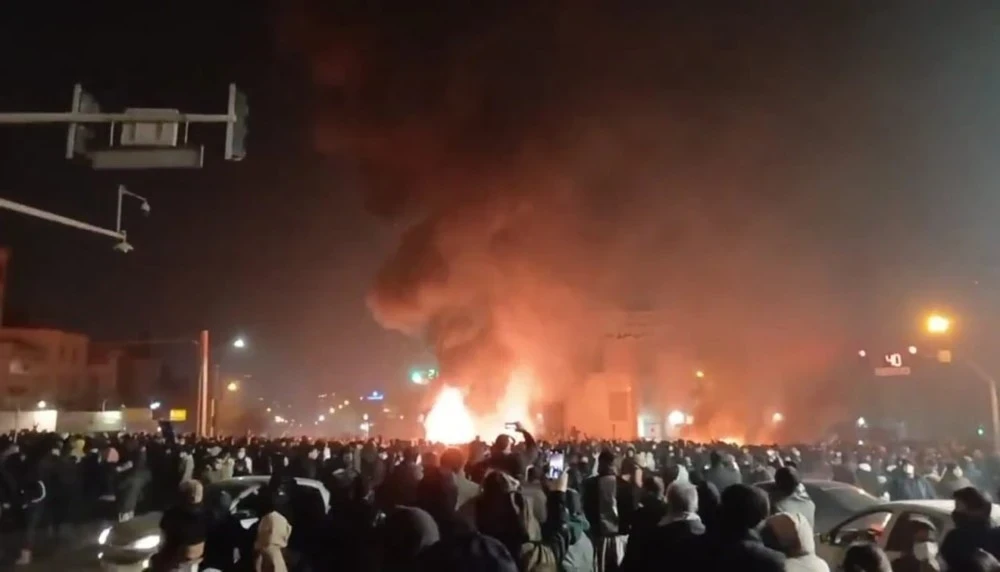
Protests against the government in Iran began on December 28, 2025, initially triggered by a financial crisis related to the devaluation of the national currency. However, soon the economic demands of the protesters transformed into political ones.
The demonstrations spread to more than 60 cities in 25 provinces of the country, including the largest rallies in Tehran and cities such as Malekshahi, Kermanshah, and Lordegan in the west and southwest of Iran. The authorities began suppressing the protests, but accurate information about what is happening is lacking — the internet in the country has been shut down for several days.
According to human rights defenders, the number of deaths during the protests has exceeded 600 people.