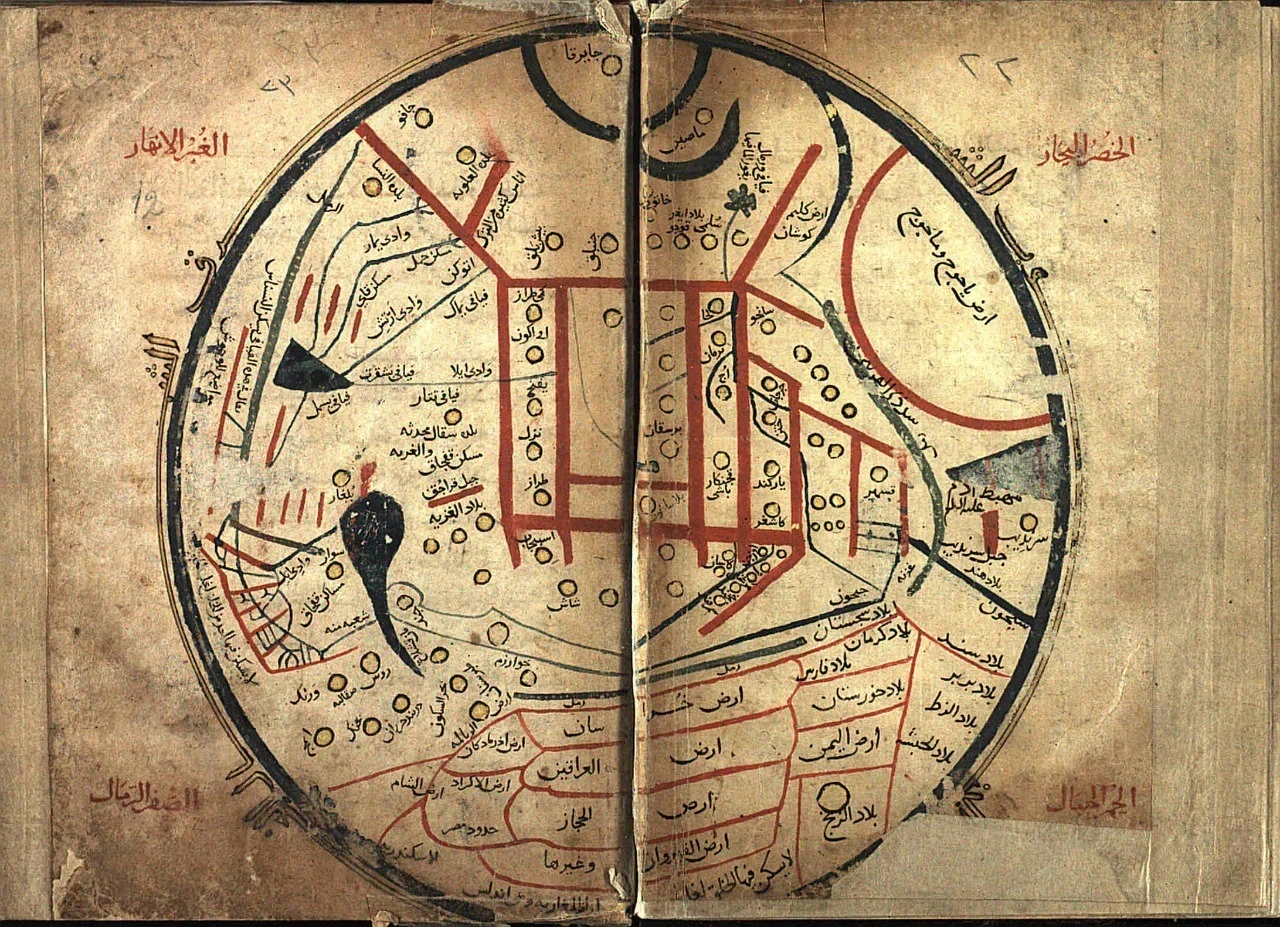
The competition for the best project has been entrusted to the Ministry of Culture. This initiative will be part of large-scale events dedicated to the 1000th anniversary of the great scholar.
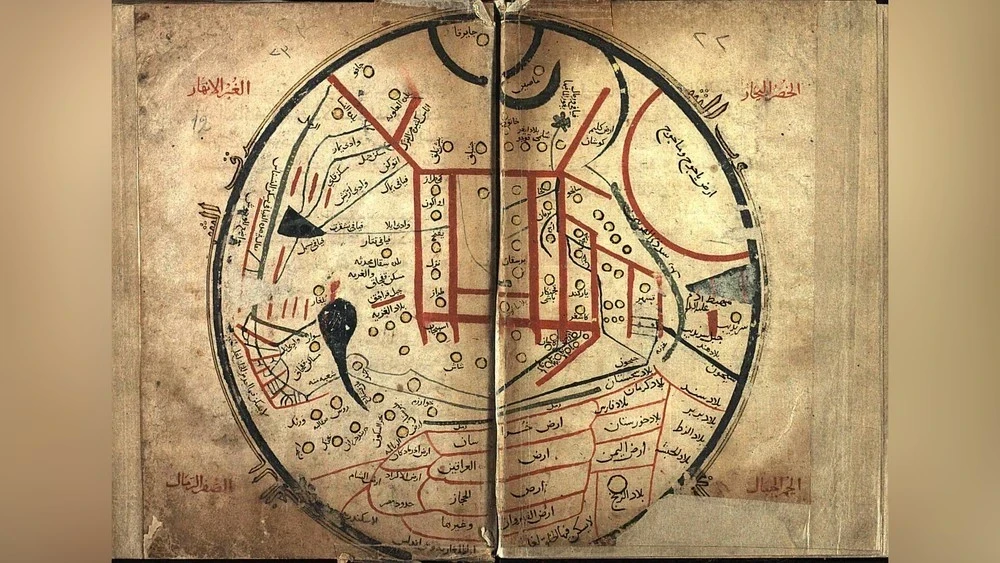
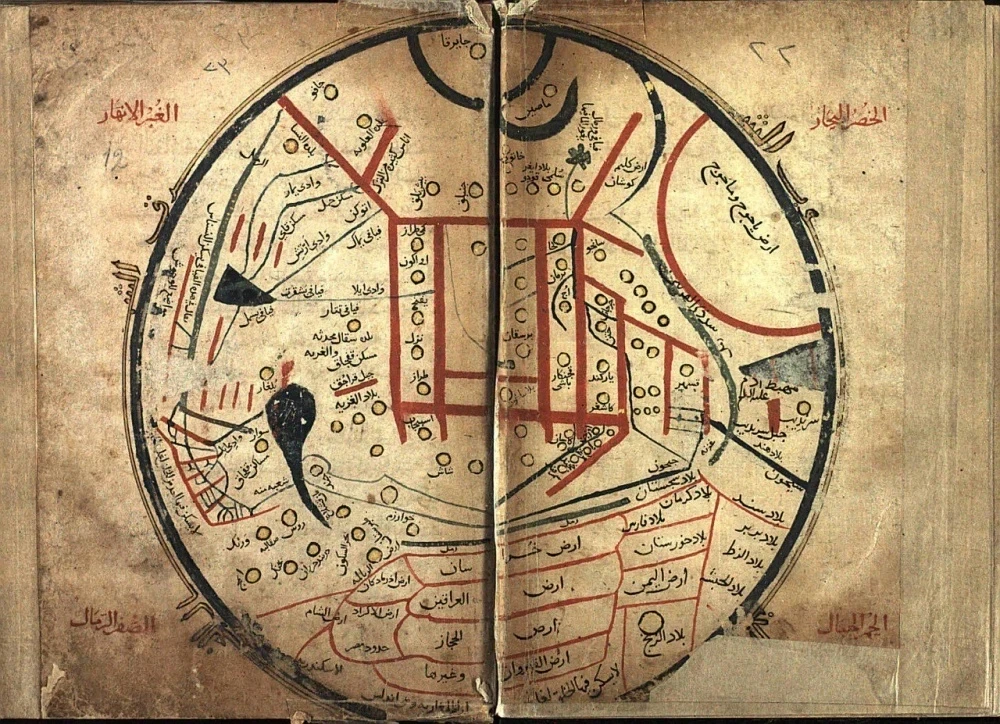
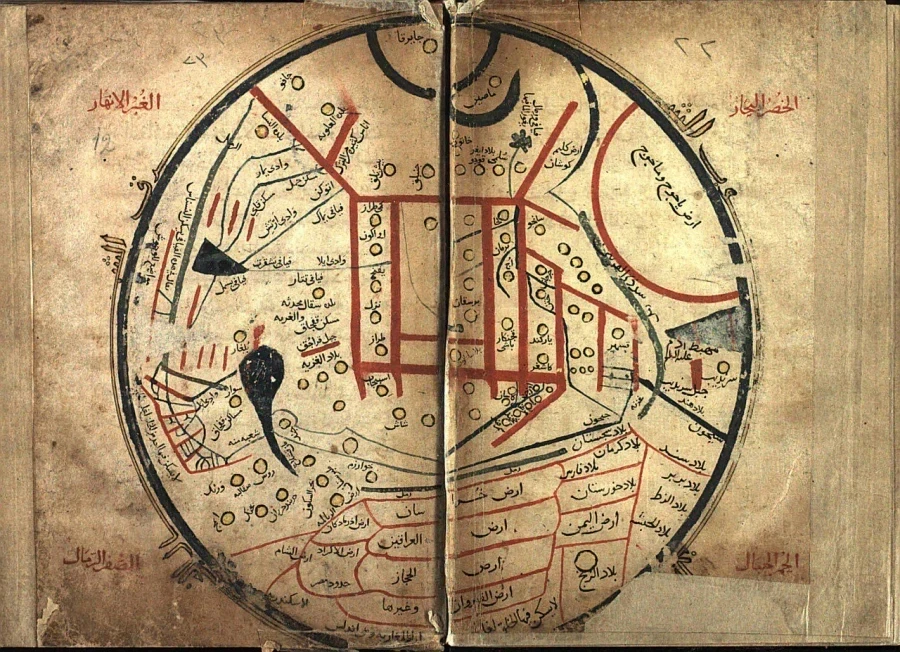
Photo from the Office of the President of the Kyrgyz Republic. Map of Mahmoud Kashgari-Barskani
The project was initiated by State Secretary Arslan Koichiev. He noted that the map should become an important historical object that will help understand the past and illuminate the era in which Kashgari lived.
“This map should evoke pride among Kyrgyzstanis and inspire for the future. Therefore, it must be executed with high quality, corresponding to its significance,” emphasized the state secretary.
Mahmoud Kashgari: who is he and what does his map represent?
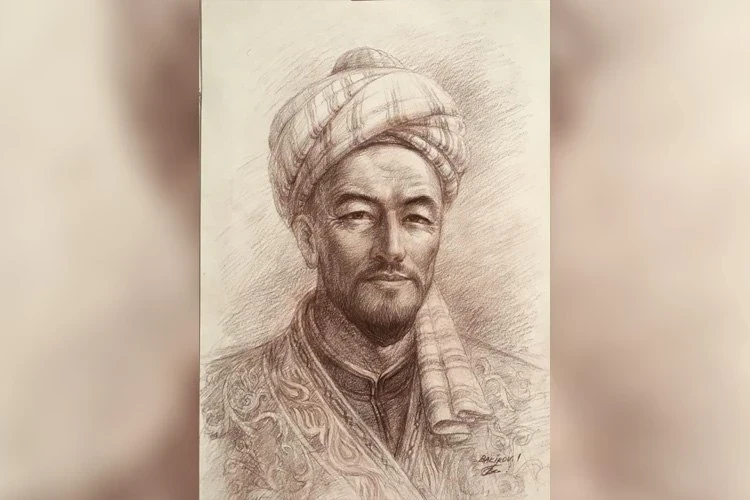
Mahmoud ibn Muhammad al-Barakani al-Kashgari is a renowned scholar and philologist of the 11th century, who lived during the Karakhanid Khaganate. Research shows that he was born in the city of Barskoon on the southern shore of Issyk-Kul. His main work is "Divan-i Lughat-it-Turk," an encyclopedia of the Turkic world, which represents the first attempt to systematize the culture and language of the Turkic peoples.Photo by Tynchtykbek Chorotegin. Portrait of Mahmoud Kashgari. Work by artist and sculptor Ibrahim Bakirov
As noted by writer and Secretary General of TURKSOY Sultan Raev, Kashgari's name draws special attention in the scientific community. His dictionary became the foundation for linguistics, and the map where Barskoon is marked as the center of the world is considered one of the oldest in the history of cartography.
“Kashgari saw Barskoon as the homeland and fundamental center of the universe. In the 11th century, his map covered the territory from Japan to Hungary, which speaks to our pride,” noted Sultan Raev.
“Center of the World”: philosophical aspects
It is essential to understand that medieval cartography did not strive for the accuracy familiar to modernity. The map of that time served not so much as a navigator but as a manifesto.In that era, cartographers placed in the center those places they considered sacred or the capitals of civilizations. By marking Issyk-Kul in the center, Kashgari emphasized that our region is not a periphery but the heart of a prosperous world. This clearly demonstrates that the “starting point” depends on the observer's perception. For Kashgari, the Turkic world represented a self-sufficient universe with its own coordinate system.
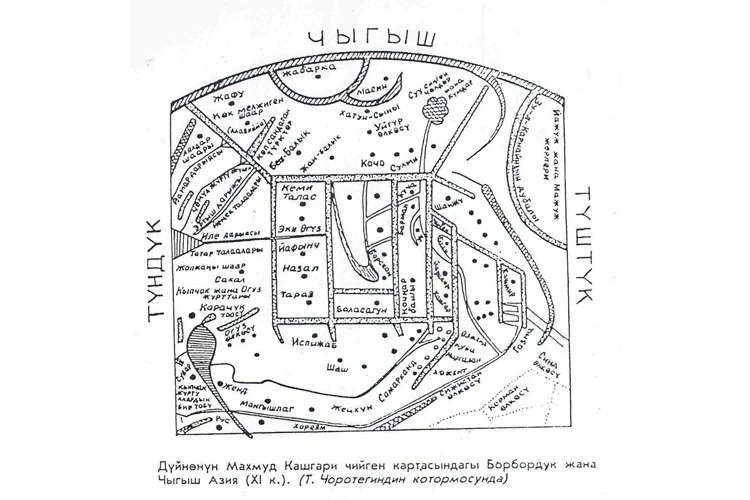
As explained by renowned historian Elery Bitikchi (Nazikbek Kydyrmyshev), Kashgari expressed concern that Turkic languages were losing their positions to Arabic and Persian. That is why he created his significant work, and the map was made in accordance with this idea.
“Previously, Muslim cartographers often placed the Kaaba at the center of the world, but Kashgari chose his state as the center. His map provides a detailed representation of the Turkic peoples and China, while there is less information about Europe. There is no question of superiority: Arabic and European maps describe their regions more accurately, while Mahmoud's map is our heritage,” explains the researcher.
Global pride
Secretary General of TURKSOY Sultan Raev has repeatedly raised the issue of the unjust neglect of the legacy of the great scholar. He emphasized that the problem is not a lack of facts but our attitude towards heritage of global significance.“This is a reason for pride on a global level. Why do we not give it importance and highlight it? Is there a monument or panorama of the famous map in Barskoon confirming that the great thinker was born here? No. Is there an exhibition dedicated to his work in the National Historical Museum? This is a rhetorical question,” he raised earlier.
Installing Mahmoud Kashgari's map in the center of the capital is not just a decorative element or a tribute to the anniversary.
Historians assert that this map is our unique view of the world, recorded a thousand years ago. It returns to Kyrgyzstanis the realization that their land was not a “blank spot” on the edge of civilization but its geographical and intellectual center.
Kiyas Moldokasymov believes that placing the map in a prominent location is a very timely initiative.
“This will be a vivid testament to our respect for the great compatriot and pride in our heritage. Mahmoud Kashgari clearly marked Issyk-Kul as the center of the Earth. His work is invaluable: he not only proclaimed our region the center of the world of his time but also detailed the locations of cities that were then on the territory of Kyrgyzstan,” notes the historian.
Elery Bitikchi emphasizes the educational mission of the project. In his opinion, people will realize that science in our region developed long before the arrival of European institutions.
“This is a reminder that we are descendants not only of the Yenisei Kyrgyz but also of the great civilization of the Karakhanids and other peoples who lived here,” concludes the researcher.