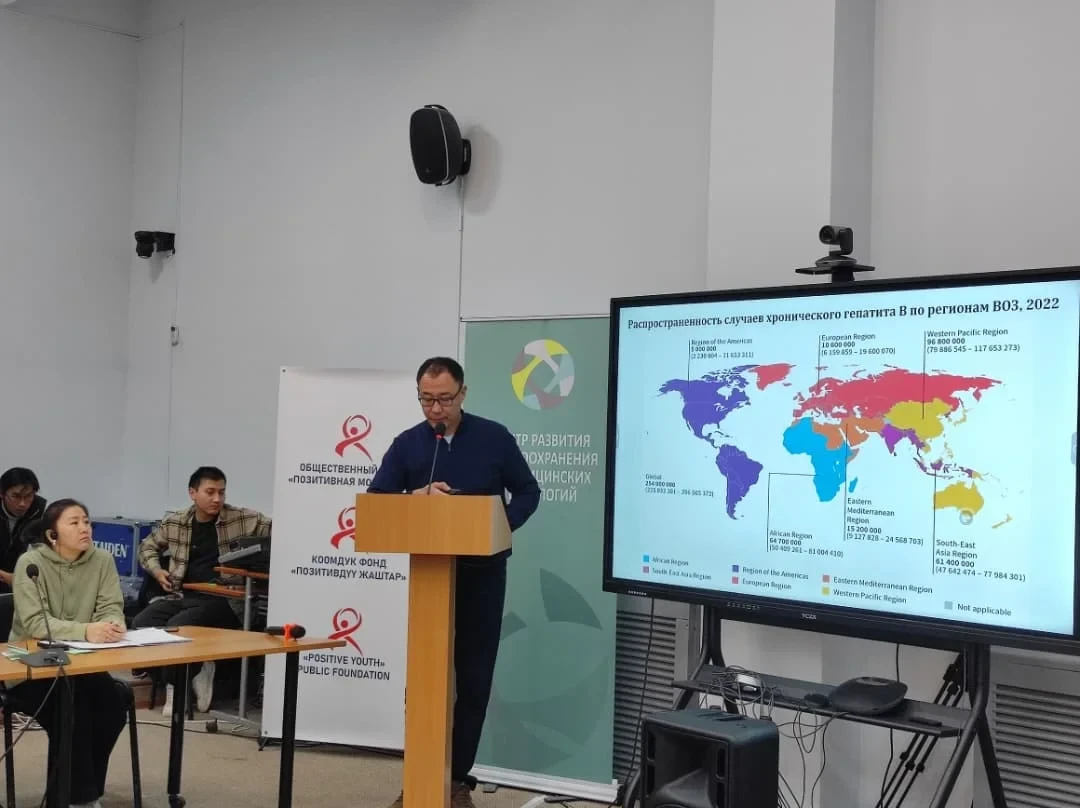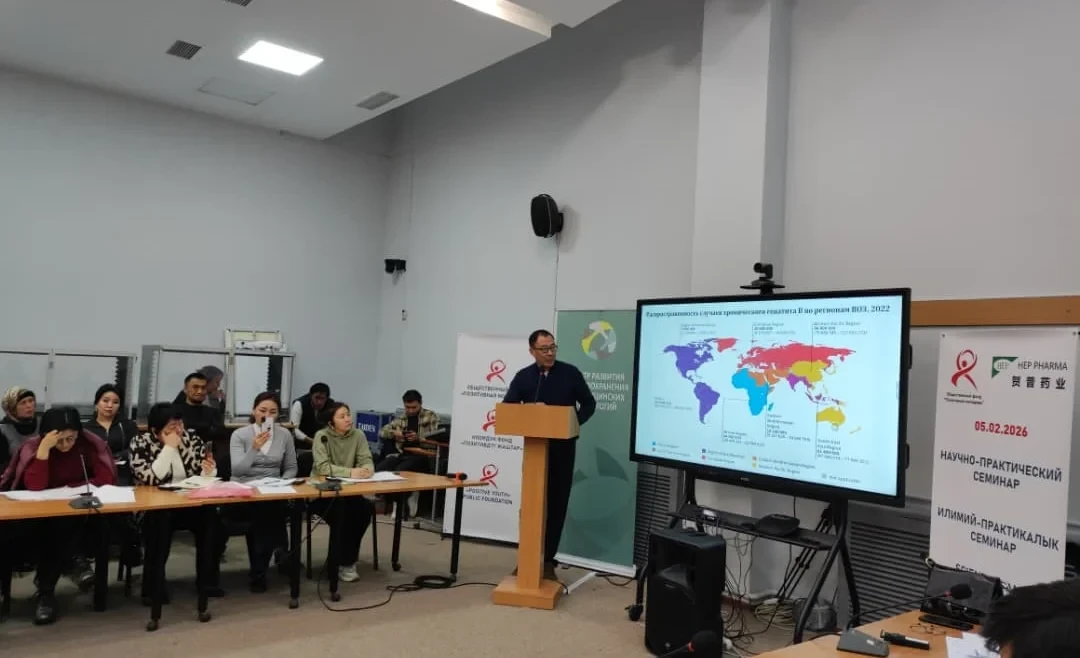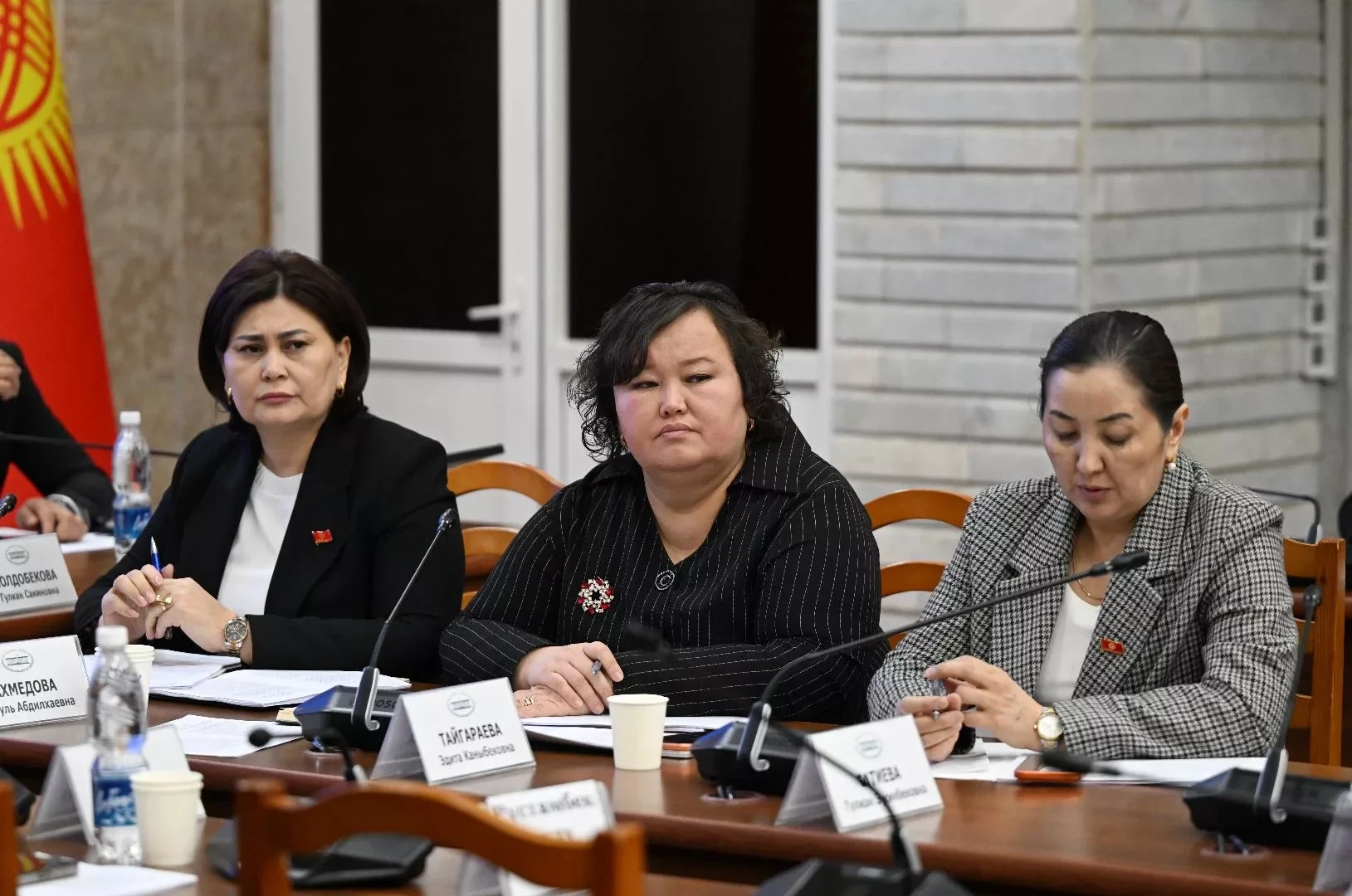
Today, February 24, at a meeting of the Committee on Labor, Health, Women’s Affairs, and Social Issues of the Jogorku Kenesh, information was presented by the Ministry of Health of the Kyrgyz Republic regarding prevention and the current epidemiological situation related to hepatitis in the country.
Bakytbek Kadyraliev, Deputy Minister of Health, reported that in 2025, Kyrgyzstan recorded 8,555 cases of acute viral hepatitis, while in 2024 this figure reached 21,195. He emphasized that the overall morbidity rate has decreased by 2.4 times. Additionally, as of January 1, 2026, 578 citizens have undergone liver transplants.
During the discussion, Deputy Zhyldyz Egenberdieva highlighted the need to accelerate the screening program for viral hepatitis B and C, as well as to create a corresponding registry. She suggested that vaccinations should only be conducted after laboratory tests.
Nurjamal Torobekova, a deputy, raised the issue of access to clean drinking water for the population, noting that the lack of water is one of the key reasons for the increase in infectious diseases.
Gulsunkhan Junushalieva, the committee chair, expressed the opinion that there is a need to strengthen preventive measures and to ensure that medical institutions are provided with necessary medicines, reagents, tests, and vaccines. Umutkan Chokmorova, director of the Republican Center for the Control of Hematogenic Viral Hepatitis and HIV, added that 492 million soms have been allocated for these purposes in 2026.
Gulnara Baatyrova, a deputy, emphasized the importance of enhancing the scientific and analytical capacity of the National Institute of Public Health under the Ministry of Health and called for improving public awareness regarding cases of vaccine refusal. Uluqbek Karybek uulu also stressed the need to strengthen social protection mechanisms for citizens suffering from hepatitis.
Bolotbek Borbieyev informed about complaints from residents of Tash-Kumyr regarding the spread of viral hepatitis in the city. He pointed out that one of the main reasons for this is the lack of access to clean drinking water and urged government bodies to take measures to address this issue.
As a result of the meeting, committee members took the information into account.