In February 2026, the consumer price index, reflecting the level of inflation, increased by 1.9% compared to December 2025, reaching 101.9%. The average inflation rate for January-February 2026 compared to the same period last year was 109.6%, according to data from the National Statistical Committee.
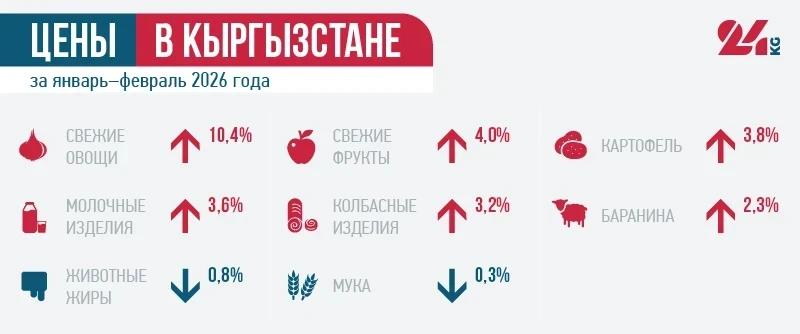
- Bakery products and cereals: price increase of 0.3% (contribution 0.04 p.p.), caused by rising wheat prices in Kazakhstan and increased logistics costs;
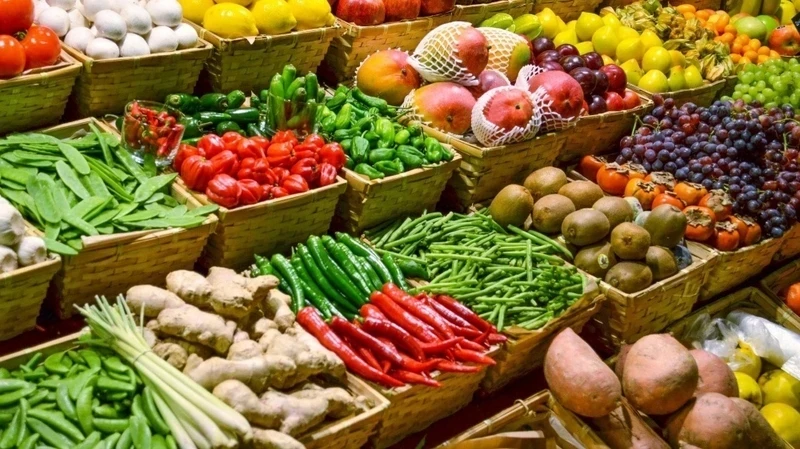
- Fruits and vegetables: prices increased by 6.2% (contribution 0.35 p.p.), including a 3.9% rise in fruit prices and an 8.2% rise in vegetable prices. The reasons for the increase were seasonal reductions in stocks, rising prices for imported products, and increased logistics expenses;
- Dairy products, cheese, and eggs: a price increase of 3.6% (contribution 0.11 p.p.) is related to a temporary decrease in milk production and a reduction in egg supply after bird vaccinations, as well as price fluctuations in EAEU countries (Russia and Kazakhstan);
- Oils and fats: prices increased by 1.4% (contribution 0.04 p.p.) against the backdrop of rising global prices for vegetable oils and seasonal reductions in production volumes.
Prices for alcoholic beverages and tobacco products increased by 2.2% (contribution 0.1 p.p.), including a 2.5% rise in alcohol prices (contribution 0.07 p.p.) and a 1.1% rise in tobacco prices (contribution 0.009 p.p.) due to the annual increase in excise taxes.
The price index for non-food products increased by 0.4% (contribution 0.12 p.p.). Moderate growth was observed in the clothing and footwear segment (contribution 0.13 p.p.), which amounted to 1.2%, as well as in household items and appliances, which rose by 2.0% (contribution 0.07 p.p.).
On the other hand, prices for housing services, water, electricity, gas, and other types of fuel decreased by 1.1% (contribution (-)0.12 p.p.).

It is also worth noting that paid services increased by 3.6% (contribution 0.86 p.p.), among which:
- Healthcare (+1.3%) due to rising prices for medical goods and services, as well as the autonomy of medical institutions, which increases the price gap with the private sector;
- Leisure organization and cultural events (+2.2%) – the increase is related to rising demand and costs for renting premises and labor costs;
- Hotels and restaurants (+7.8%) – the largest contribution to price growth (0.53 p.p.) is due to increased costs for food, labor, and utilities;
- Transport services (+3.5%) – the price increase is associated with the introduction of tolls through strategic tunnels (Bishkek-Osh, North-South) and the expected increase in fuel prices by 15%, as well as the overall rise in logistics costs.
Since the beginning of 2026, measures for economic regulation aimed at ensuring food security and stabilizing prices for key food products in the domestic market have been implemented.