Goals of the Census
Like any other census, the agricultural census is necessary to obtain reliable data that will help shape long-term development strategies.The country has already conducted censuses of the population and housing stock, and now the agricultural census will provide an opportunity to understand the real state of the agri-sector, as well as ensure food security.
The census will collect information on the following key indicators:
- the number and structure of agricultural enterprises and farms of all forms of ownership;
- types and volumes of agricultural products;
- availability of land, labor, and material resources;
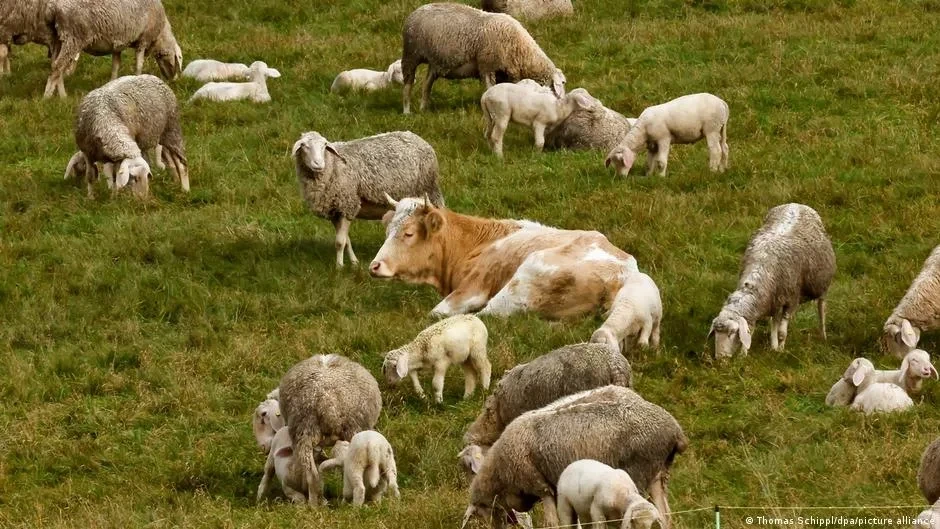
- livestock and poultry numbers;
- features of farming practices and the level of mechanization.
Process of Conducting the Census
Data will be collected using the platform of the National Statistical Committee, in electronic format.During the specified period, specially trained workers will visit all areas related to agriculture. This includes both state and collective farms, as well as private and individual farms, and household plots of citizens (including collective gardens and vegetable patches).
Information collection will be carried out through mobile applications used by enumerators, with data transmitted to the central server of the National Statistical Committee via secure communication channels, ensuring confidentiality and rapid processing of information.
Who is Responsible for the Census
A total of 6,791 temporary workers will participate in the census, including:- registrars - 1,179;
- enumerators - 4,494;
- supervisors - 898;
- coordinators - 220.
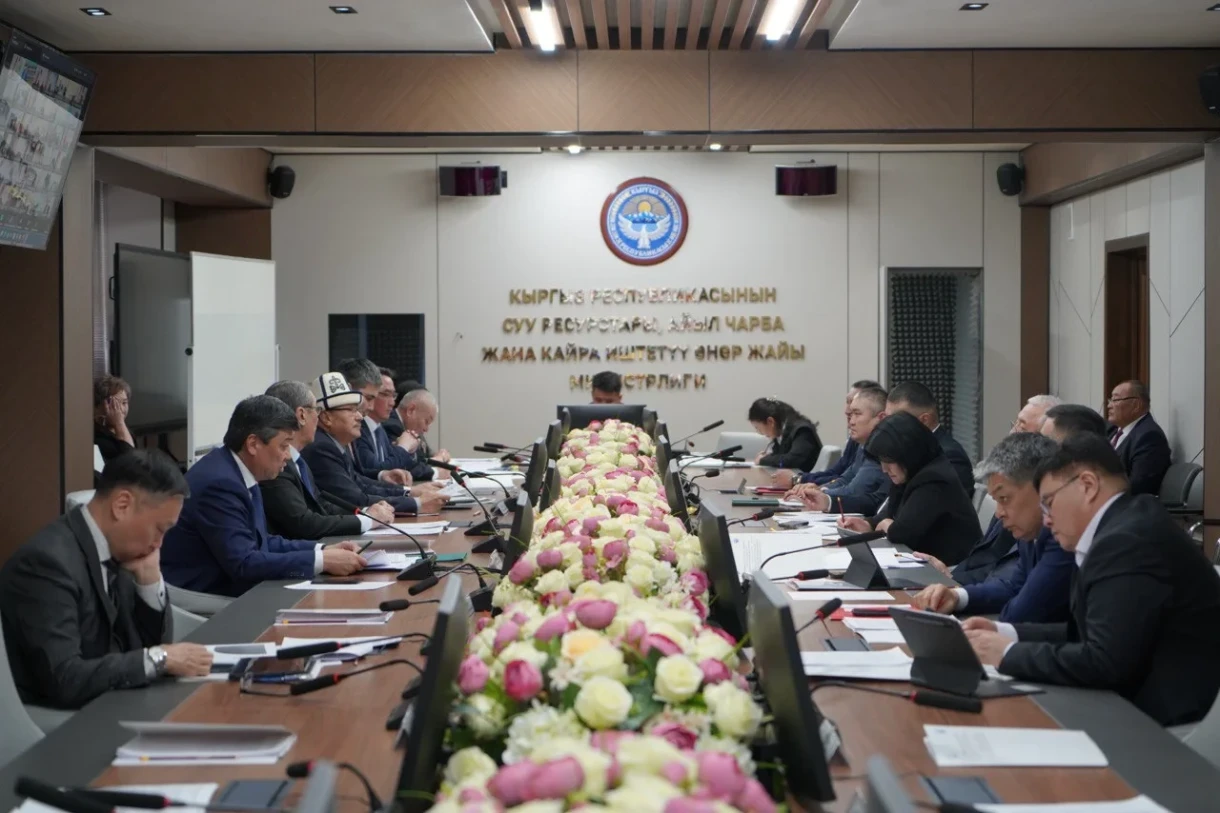
The commission responsible for conducting the census is headed by the Minister of Agriculture, with the head of the National Statistical Committee serving as his deputy. The commission also includes representatives from other ministries, such as the Ministry of Health, the Ministry of Education, and the Ministry of Energy.
Is This the First Census?
According to the plan, the agricultural census is supposed to be conducted every 10 years. However, the last full census was conducted over 20 years ago: in 2002 for land and crops, and in 2003 for livestock.Can you imagine how much circumstances have changed since then?
What Questions Will Be Asked
The questions will be divided into several blocks. Among other things, enumerators will inquire about the type of farm (household, farm, cooperative, etc.), the number of workers (family members and hired workers), the main type of activity (crop production, animal husbandry, aquaculture, etc.), as well as land area (arable land, pastures, gardens) and types of irrigation. They will also clarify the crops grown, the presence of greenhouses, orchards, and vineyards, as well as livestock numbers.Mandatory Participation of Farmers
The conduct of the agricultural census is regulated by the Law of the Kyrgyz Republic "On the Agricultural Census." It obliges agricultural entities (farmers, owners of farms and livestock) to provide statistical data to enumerators. However, there are no penalties for refusing to participate.Nevertheless, enumerators will try to persuade people to participate in the census, and, as practice shows, citizens of Kyrgyzstan often respond positively to such events.
Are Documents Needed for Confirmation?
No, the census will be conducted based on oral information.What Will Happen to the Collected Information and Will It Affect Taxes?
The collected data will be used only for aggregated statistics and will not be tied to specific farms. The information will not be transmitted to tax authorities or regulatory bodies.