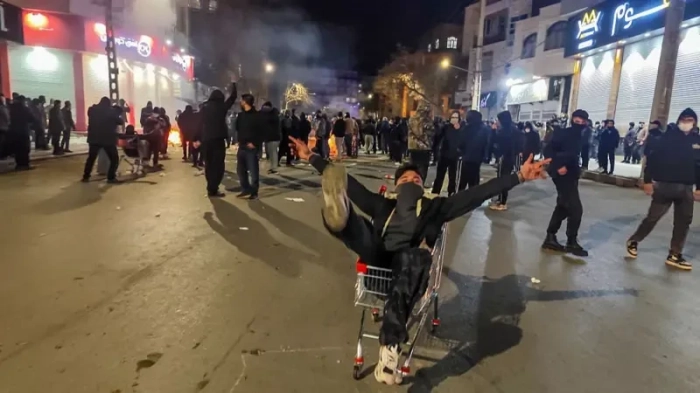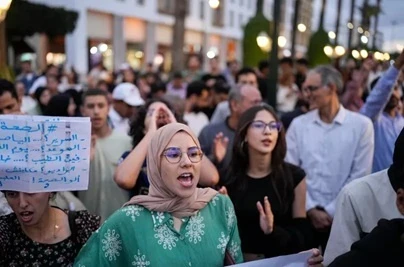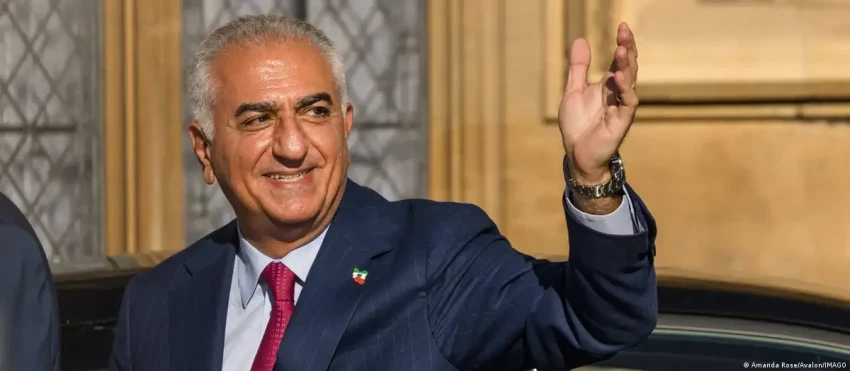
In Iran, protests began against the backdrop of a sharp devaluation of the rial, which affected prices in both wholesale and retail trade, and also caused instability in the exchange rate. Since January 8, the protests have taken on a more serious scale, spurred by a call from Reza Pahlavi, the heir to the overthrown Shah of 1979, for strikes and the seizure of key streets and facilities. He also appealed to Donald Trump to intervene in the situation. In several cities, the protests escalated into clashes with law enforcement and were accompanied by anti-system slogans. According to authorities, by January 12 they managed to bring the situation under control, and two days later reported the cessation of the unrest. Iranian President Masoud Pezeshkian blamed the United States and Israel for the disorder, while promising to continue economic reforms.
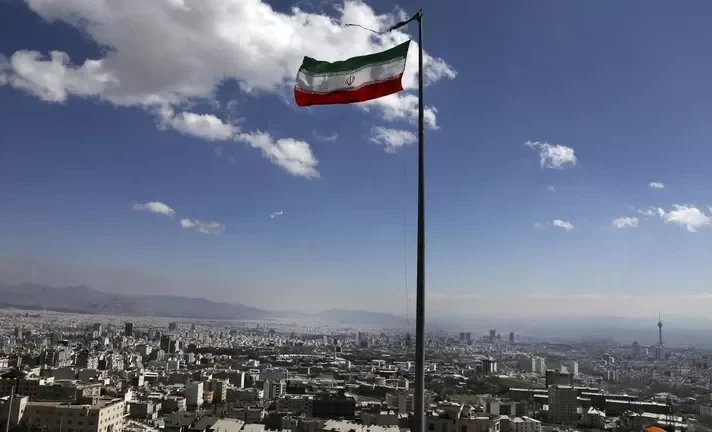
Last week, on the night of Thursday, Tehran closed its airspace in anticipation of possible attacks from the U.S. This decision followed Trump's threats to strike Iran if local security forces opened fire on protesters.
In the Islamic Republic, it was stated that they currently do not plan to take preventive measures, but are prepared for war if necessary.