Nepal: Youth Revolution and Prime Minister's Resignation
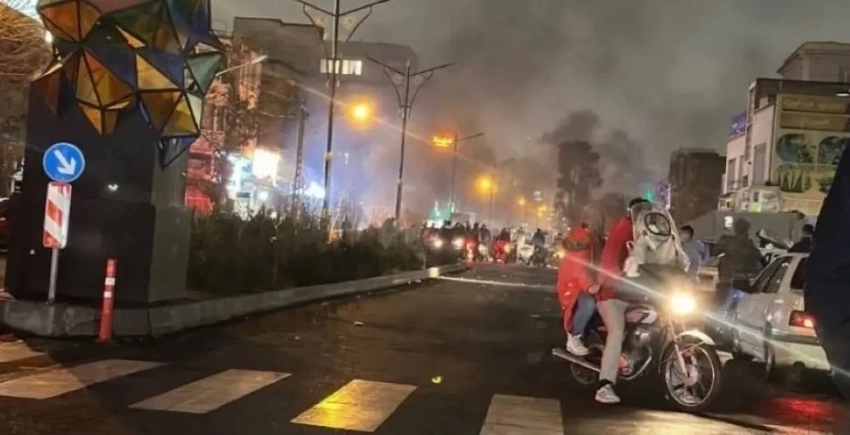
In Nepal, starting in September 2025, youth protests led to mass riots in Kathmandu, where demonstrators set fire to the parliament. These events became part of the "Generation Z Revolution," aimed at combating corruption and nepotism in power. The government's blockade of major social networks became a trigger for the protests, especially among young people who actively criticized the lavish lifestyle of the elite. The protests quickly spread to other regions of the country, escalating into clashes with security forces. In response to the demonstrators' actions, law enforcement used tear gas and live ammunition, resulting in the deaths of 19 people in the first days of the riots and a total of 76 killed and over 2000 injured.At the end of November, the military announced the appointment of Major General Orta N'Tam as the president of the transitional period, who will head the Supreme Committee for Restoring Order for a year. Embalo, ousted as a result of the coup, left the country, first traveling to Senegal and then to Congo. The new leadership promised to prepare the country for a return to constitutional order; however, skepticism remains in the region due to Guinea-Bissau's history of political instability. Nevertheless, the 2025 coup can be considered successful, as it achieved its goal – the former leader was ousted, and the army took control of the situation. The international community's reaction was muted, linked to the population's fatigue from Embalo's long rule.
Turkey: Protests Against Repression and Arrests
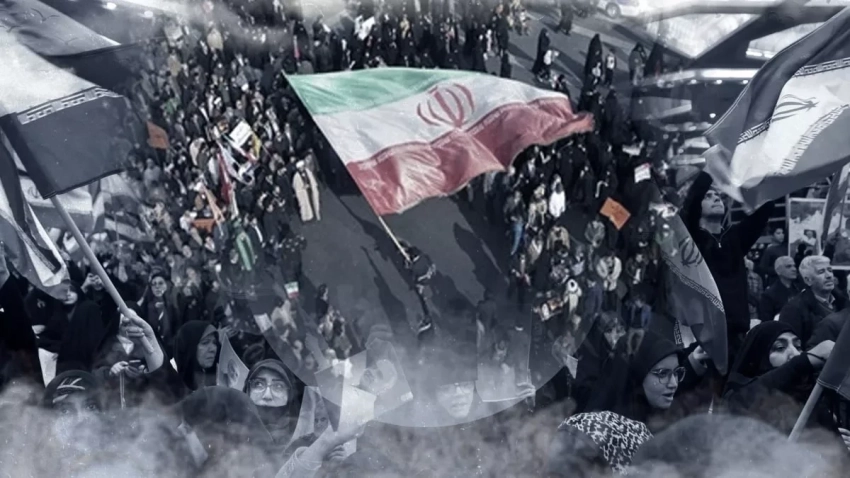
In Turkey, in the spring of 2025, the largest protests in the last decade occurred, triggered by the arrest of popular Istanbul Mayor Ekrem İmamoğlu, a key opponent of President Recep Tayyip Erdoğan in the 2028 elections. In March, thousands of people took to the streets chanting slogans in support of İmamoğlu and accusing the authorities of political repression. These were the largest protests since 2013 when actions took place in Gezi Park. In response to the protests, the authorities began mass arrests, resulting in around 500 opposition figures being detained since the fall of 2024, including 17 mayors.The authorities' reaction was immediate and ruthless: military units were deployed to disperse the rallies. According to Amnesty International, security forces used firearms, beat detainees, and subjected them to torture, leading to at least 14 deaths, including minors. Hundreds of protesters were injured or arrested. The authorities banned media from broadcasting live coverage of the protests, attempting to conceal the scale of the repression. By the end of summer, protest activity was suppressed, and the Gnassingbé regime remained in power, partially fulfilling the economic demands of the protesters, but the main goal – Gnassingbé's resignation – was not achieved.
Kenya: Protests Against the Economic Crisis
In Kenya, youth protests against President William Ruto erupted in 2025, triggered by rising taxes and the cost of living. The death of a well-known blogger who criticized the authorities resonated particularly strongly, leading thousands of young people to take to the streets under the slogan "Ruto must go." Protesters voiced their opposition to high inflation and police brutality. The government responded harshly, with the interior minister calling the actions "an attempt at a coup." Police used batons and water cannons, resulting in dozens of participants' deaths. By the end of the year, the protest movement weakened due to fear of repression, and Ruto remained in power, failing to meet the protesters' demands.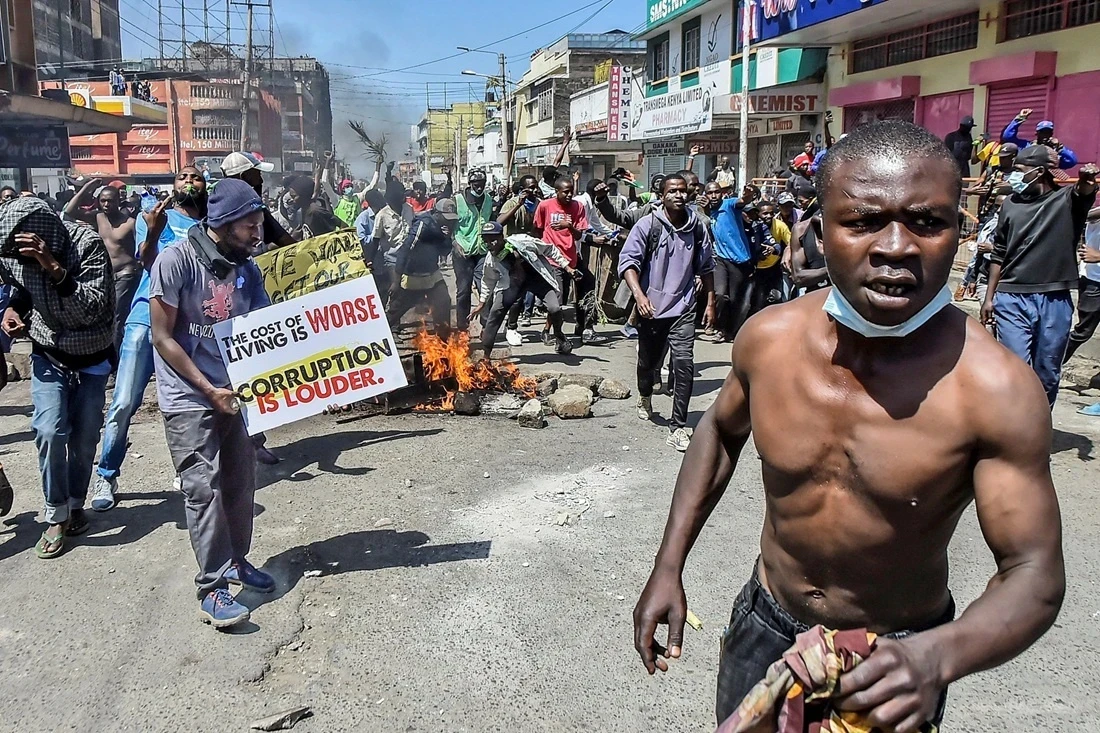
alt="Kenya – protests against the high cost of living."
/>
Kenya – protests against the high cost of living.
President Ruto, holding a majority in parliament, refused to make concessions, leading to a deepening crisis. By the end of 2025, protests in Kenya had virtually died down, but public discontent remained.
Morocco: Arrests Suppressed Reform Protests
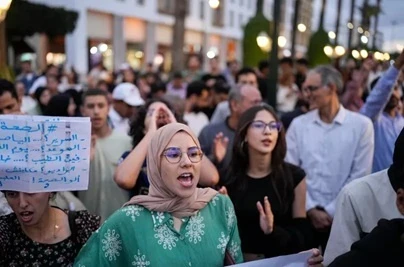
In the fall of 2025, powerful youth protests erupted in Morocco, becoming the largest since 2011. In response to tragic incidents in healthcare, where several mothers died, young people took to the streets demanding reforms in healthcare and education. The protests quickly spread across the country, but harsh police actions, including shooting at protesters, led to deaths and mass arrests.alt="Morocco – protests for reforms drowned in arrests."
/>
Morocco – protests for reforms drowned in arrests.
The government, attempting to ease tensions, announced its intention to implement social reforms, but many viewed these promises with skepticism. By the end of the year, most of the arrested activists remained in custody, creating an atmosphere of fear and oppression among the youth.
Serbia: Student Protests and Elections
Since the beginning of 2025, anti-government protests continued in Serbia, which had started back in 2024 after tragic events in Novi Sad. Students demanded a responsible approach from the authorities and the resignation of President Aleksandar Vučić. The protests garnered broad support, and in response to the pressure, Vučić agreed to hold early elections in 2026.
alt="Serbia – student protests led to elections, but not to a change of leader."
/>
Serbia – student protests led to elections, but not to a change of leader.
However, the opposition remains fragmented, and the situation in the country is relatively calm, although activists continue their work in anticipation of the elections.
Philippines: Corruption Under Fire
In the Philippines, mass rallies against corruption began in September 2025, triggered by a scandal in which high-ranking officials embezzled billions of pesos allocated for dam construction projects. The protests peaked in late November when tens of thousands of people took to the streets demanding the resignation of President Marcos Jr.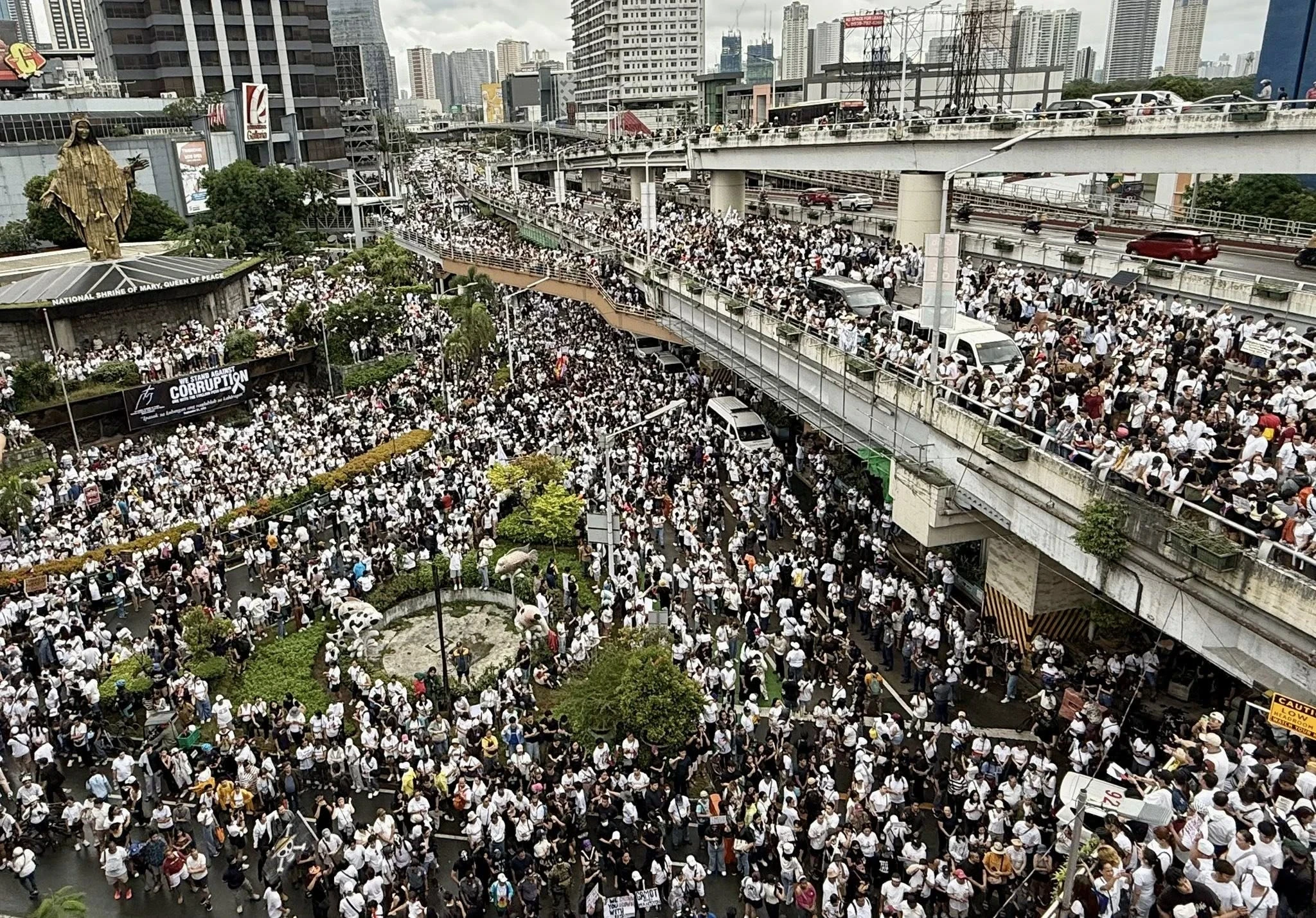
alt="Philippines – corruption scandal leaves power under fire."
/>
Philippines – corruption scandal leaves power under fire.
The authorities were forced to make partial concessions, but public discontent persists. Citizens demand real action against corruption, and the president is trying to distance himself from the scandal, but his approval rating continues to decline.
Indonesia: Protests Against Rising Prices
In the summer of 2025, Indonesia experienced the largest protests in decades, triggered by a sharp rise in prices and taxes. The protests, which began peacefully, quickly escalated into violence when police used batons and water cannons. President Prabowo Subianto attempted to calm the public by canceling controversial payments to lawmakers, but this was not enough to satisfy the protesters' demands.
alt="Indonesia – partial concessions did not stop discontent."
/>
Indonesia – partial concessions did not stop discontent.
Despite partial concessions, society remains agitated, and analysts warn of the possibility of new protests if the authorities do not implement necessary reforms.