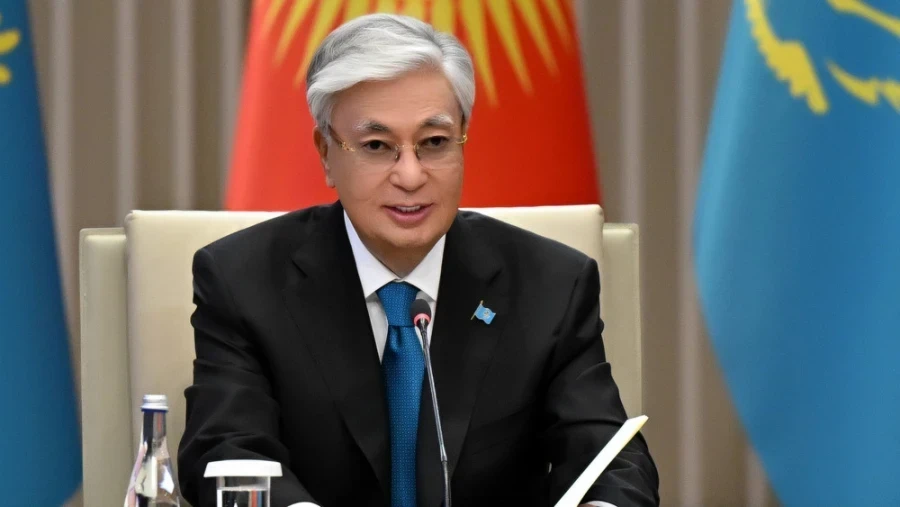
The President of the Kyrgyz Republic, Sadyr Japarov, has initiated large-scale reforms in the State Committee for National Security (GKNB). He emphasized that although the GKNB has successfully fulfilled its tasks, "the world is changing, and our state institutions must adapt and renew." In light of new challenges, the special service faces the necessity of modernization.
On February 10, the president signed a decree establishing the State Guard Service based on the 9th service of the GKNB. This body will report directly to the president and will be responsible for the protection of important individuals and facilities.
On the same day, a decree was also signed to remove the Border Service of the Kyrgyz Republic from the subordination of the GKNB.
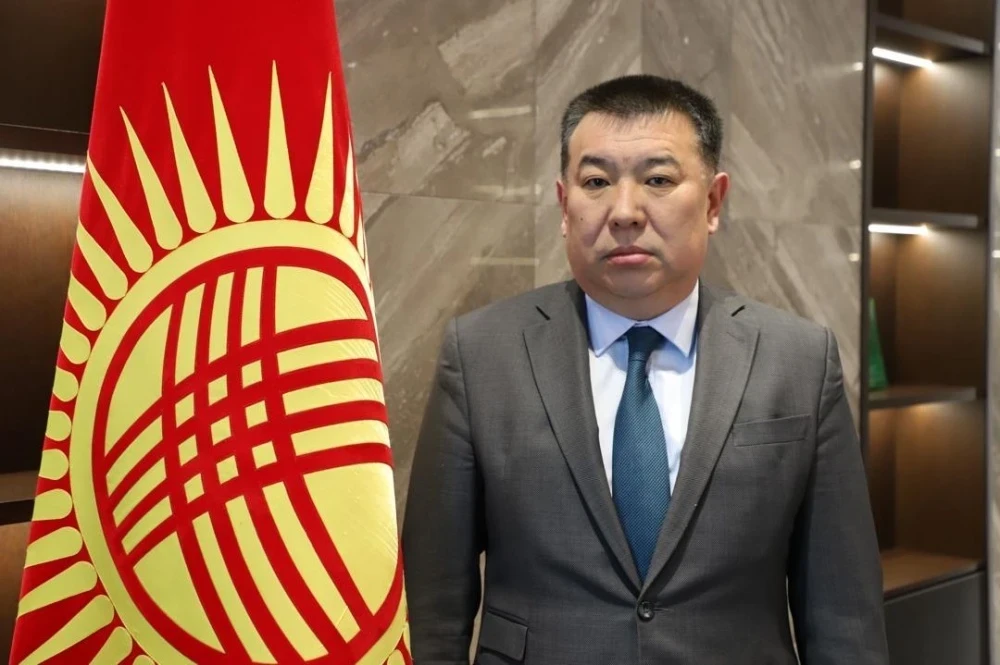
We spoke with the new head of the GKNB, Jumgalbek Shabdanbekov, about the changes awaiting the agency.
- Major General, congratulations on your appointment and the support of your candidacy by the Jogorku Kenesh. As Deputy Irysbek Atazhanov noted, there is no need to discuss the head of the GKNB for long, as you have much work to do. What other changes are planned as part of the reform?
- Thank you. As you rightly noted, a number of structural and organizational reforms are currently being carried out in the national security agencies of the Kyrgyz Republic. These changes are aimed at creating a mobile, professional, and transparent structure capable of effectively ensuring national security and protecting the constitutional order of the country in the context of a changing international situation.
The reforms are being conducted in stages, in compliance with legislation and taking into account the priorities of state policy in the field of security. As you know, a structural reform has already been implemented, during which the state guard units and the Border Service were separated from the GKNB. Within the framework of organizational reforms, the focus will be on optimizing personnel numbers, redistributing functions, enhancing analytical work, and strengthening human resources. Special attention will be paid to discipline, the moral and spiritual training of employees, and the introduction of modern management approaches.
Additionally, during the reform process, the GKNB will emphasize traditional methods of operational and analytical work.
We need to avoid the politicization of the GKNB, freeing it from the influence of political parties and groups. The State Committee should not become a tool in political games.
The next key step is the professionalization of the structure, where priority will be given to professional qualities rather than political loyalty in appointments to leadership positions.
In the future, the GKNB will work to eliminate tribalism and regionalism; appointments and promotions will be based solely on professional qualities. Otherwise, conditions for the persecution of dissenters and the growth of corruption may arise in law enforcement agencies, which will negatively affect operational activities and may lead to a loss of trust in security agencies. The system will transition from geographical logic to logic based on competencies, ultimately leading to a more mature political model.
A qualitative reform of the GKNB implies a transition from outdated rigid methods to legal and civil approaches in management and security provision. We need to leave behind the ideology of intimidation and create a modern national service that meets current challenges.
As President Sadyr Nurgoyoevich Japarov rightly noted, much has been done in Kyrgyzstan over the past five years to combat corruption; however, this policy depended on the personal qualities of leaders and the resources of the law enforcement bloc, which provided visible but unstable results. Society has become accustomed to bright, demonstrative actions. The reform of the GKNB will be aimed at transitioning from such a policy to a calmer one, with clear rules and the inevitability of punishment. An optimal combination of publicity and the establishment of an anti-corruption system will allow for the best results.
- What else falls within the powers of the special service? In recent years, people have come to believe that the GKNB controls all spheres of public life.
- The GKNB is engaged in identifying, preventing, and suppressing the intelligence and subversive activities of foreign special services in the country, combating terrorism, extremism, and corruption, organized crime, ensuring information security and the protection of the constitutional order, as well as informing the president and other government bodies about potential threats to national security.
The term "curator" is often misinterpreted. This is an employee who, in accordance with their functional responsibilities, ensures the interests of national security in specific areas, suppressing intelligence and subversive activities.
According to the Constitution of the Kyrgyz Republic, national security agencies operate based on the law. The GKNB is guided by the Constitution, relevant laws, and presidential decrees, as well as other regulatory acts.
Therefore, the GKNB operates strictly within the framework of the law.
- So your agency will no longer interfere in the activities of tax and audit authorities or pressure entrepreneurs, as some employees did before?
- I will do everything possible to ensure that the activities of the GKNB are based on legality, transparency, and accountability. All divisions have been given strict instructions prohibiting interference in business. National security agencies must ensure economic security and combat corruption, while cooperation with business should be built on the principles of legality and mutual trust.
- Speaking of demonstrativeness, President Sadyr Japarov instructed the law enforcement agencies to work "without mask shows," without PR. Many internet users are surprised why arrests of suspects in the abuse of power by GKNB employees are happening without unnecessary noise. Is this already the beginning of implementing the president's instructions?
- I am against "mask shows." The activities of special services require secrecy. As for the arrests of suspects in the abuse of power, investigations are being conducted jointly with the Military Prosecutor's Office and the Main Investigation Department of the Ministry of Internal Affairs in strict accordance with the law. According to the president, the GKNB will tirelessly fight against corruption, and this work will not stop.
It is important to note that there have been no mass arrests of entrepreneurs; the cases of detentions concern only those who directly affect the interests of the state. Interference in investigative actions in the interests of specific individuals is unacceptable. The acceleration of case consideration should not violate the objectivity of the investigation.
- Deputy Dastan Bekeshov raised the issue of blocking "TikTok." What is your stance on this? What challenges and threats may arise regarding this issue?
- Currently, relevant issues include countering information-psychological operations, as well as cybercrime and cyberterrorism.
For example, you know that some social networks, including "TikTok," are popular among young people, but they advertise drugs, alcohol, gambling, and violence. In August 2023, the Ministry of Culture proposed to block this platform, and in April 2024, access to it was officially closed, as the administrators did not comply with the law prohibiting the dissemination of harmful information for children.
Despite this, users continue to bypass the block using VPNs, and some believe that "TikTok" can be useful for advertising business and tourism. However, the decision to block was made after numerous complaints from citizens, NGOs, and deputies pointing out that the content does not align with Kyrgyz mentality.
The future of our children is more important than any social network. We cannot neglect the health, education, and moral development of the younger generation for the sake of digital platforms.
The GKNB regularly monitors social networks to identify destructive content that could harm children.
- Regarding the personnel clean-up, can we hope that the GKNB will rid itself of those who discredit it?
- I will repeat: everything within my power will be done. Employees who have committed violations have already been dismissed and will be held accountable. There will be no untouchables in government agencies, including the GKNB, and all violators will be punished.
The State Committee for National Security continues to fight against corruption and organized crime exclusively through legal methods, avoiding "mask shows."
Ultimately, the reform of the GKNB is aimed at adapting security agencies to modern threats, improving intelligence and counterintelligence work, combating terrorism and extremism, eradicating corruption, ensuring information and economic security of the country, and enhancing the prestige of the agency. These tasks will be before us, and we will create a structure that is on par with the special services of other countries.