The synchronicity of these resignations has sparked numerous speculations, as such coincidences typically do not happen. Let’s examine each situation in more detail.
Kyrgyzstan: Departure of Kamchybek Tashiev
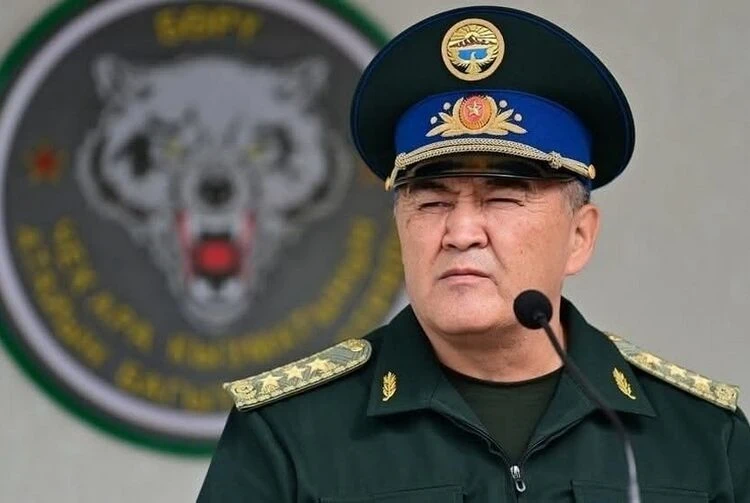
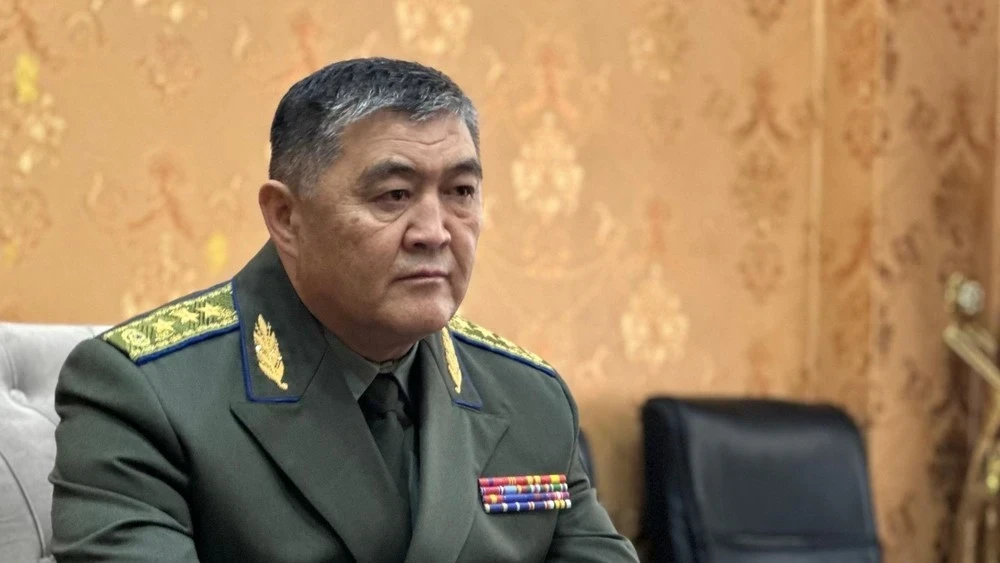
On February 10, Kyrgyz President Sadyr Japarov issued a decree dismissing the country’s chief security officer and Deputy Prime Minister Kamchybek Tashiev. This resignation was a significant event for Kyrgyzstan, considering that since October 2020, Tashiev has played a key role in the country’s politics and was an important figure in the security bloc.Photo from the archive. Kamchybek Tashiev
Despite expert opinions on potential negative consequences, Tashiev's resignation did not lead to destabilization or street protests. State institutions continue to function smoothly, indicating the stability of the system.
Turkey: Changes in the Ministry of Internal Affairs and the Ministry of Justice
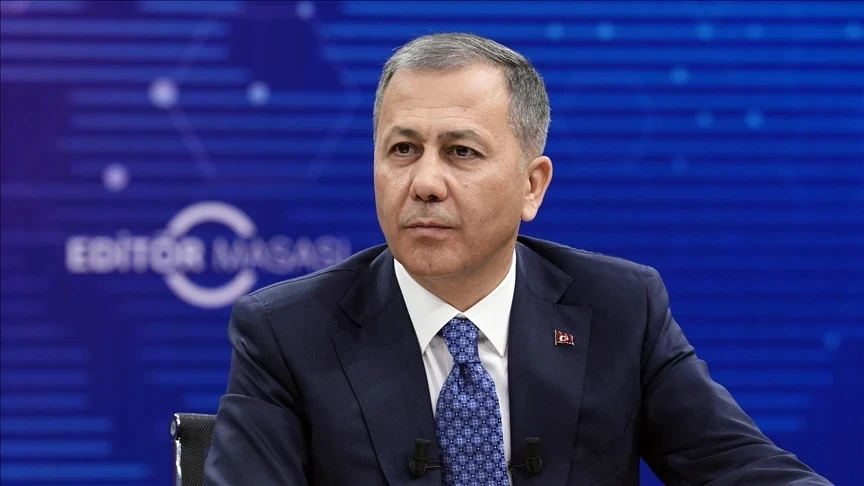
On the night of February 10-11, significant reshuffles occurred in the Turkish government. President Recep Tayyip Erdoğan accepted the resignations of Interior Minister Ali Yerlikaya and Justice Minister Yılmaz Tunç.According to information from political Telegram channels, these changes are not coincidental. Officially, both ministers resigned voluntarily; however, the reasons for their resignations were not disclosed, and new ministers have already been appointed.
Given the important role of the Ministry of Internal Affairs in Turkey's political system, such personnel changes always have strategic significance, especially in the context of current regional instability.
Turkmenistan: Change of Leadership in National Security
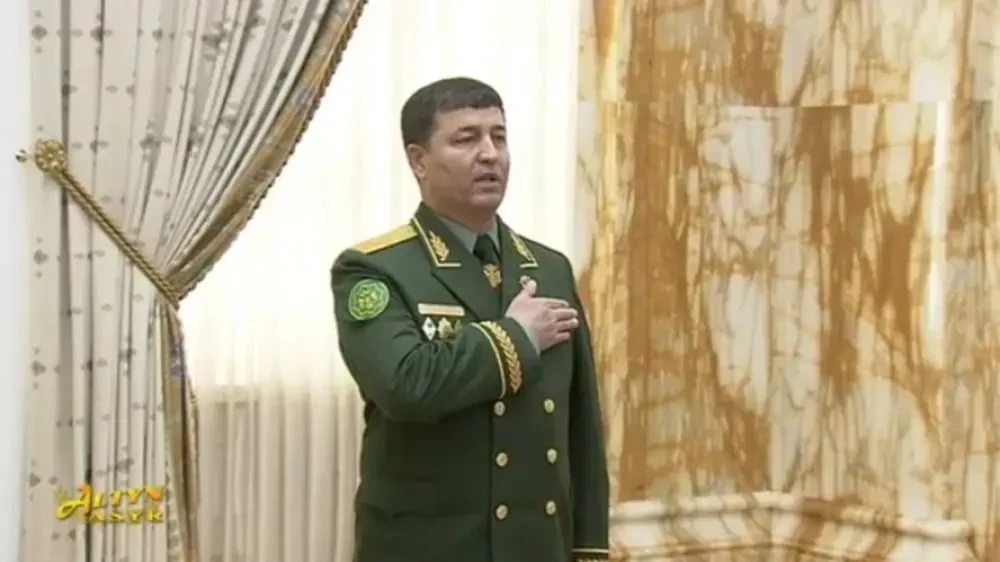
On February 13, it became known that the Minister of National Security of Turkmenistan, Nazar Atagarayev, was replaced.The official reason given was "transfer to another job." In the context of Turkmenistan's closed political system, such changes are rarely accompanied by explanations, but they fit into the overall trend of the region.
Tajikistan: Stability Amid Changes
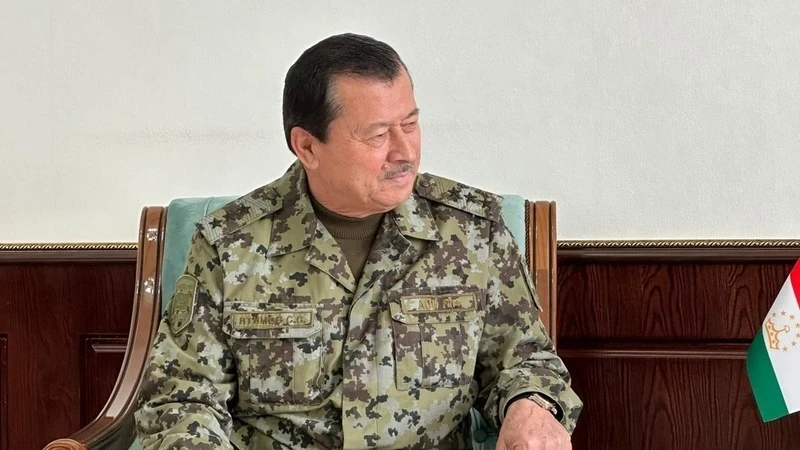
Interestingly, the head of the State National Security Committee of Tajikistan, Saymumin Yatimov, reportedly retains his position. Rumors about his possible resignation or transfer have not been confirmed, nor have reports that he was in Munich simultaneously with Kamchybek Tashiev for treatment.Photo from the internet. Saymumin Yatimov
What Do Three Resignations in a Week Mean?
Four countries, three significant resignations, and one, likely, on pause. Analysts highlight several possible reasons for such synchronous decisions.First and foremost, this could be yet another cyclical process of elite renewal that coincided in timing. Security structures in post-Soviet countries and Turkey are the foundation of stability, and rotation within them may be part of a management logic aimed at reducing the concentration of influence and redistributing the balance within the elites.
From this perspective, the February personnel changes can be viewed as part of an internal adjustment of the system.
It is merely a coincidence, and there are no hidden motives here.
Additionally, considering that all changes occurred at the initiative of the heads of state, one could speak of a trend towards strengthening personal control over security structures. When the president himself makes decisions about personnel changes, it may signify a new stage of governance, more centralized and less dependent on independent centers of influence.
It is also worth mentioning the geopolitical aspects. The resignations were not the result of external interference; however, the regional situation demands new approaches, as security agencies play a crucial role in foreign policy adaptation.
Of course, there is also a conspiracy theory suggesting that all resignations are interconnected. Theoretically, one could assume coordinated actions, given the closeness of the security structures of Central Asian countries; however, there are currently no facts confirming the existence of a unified scenario.
What is happening appears to be parallel internal processes that coincided in timing.
Nevertheless, a connection between these events exists. The resignations in the security blocs of several countries in the region indicate the beginning of a new stage of transformation, signaling that institutional factors are beginning to prevail over personal ones.