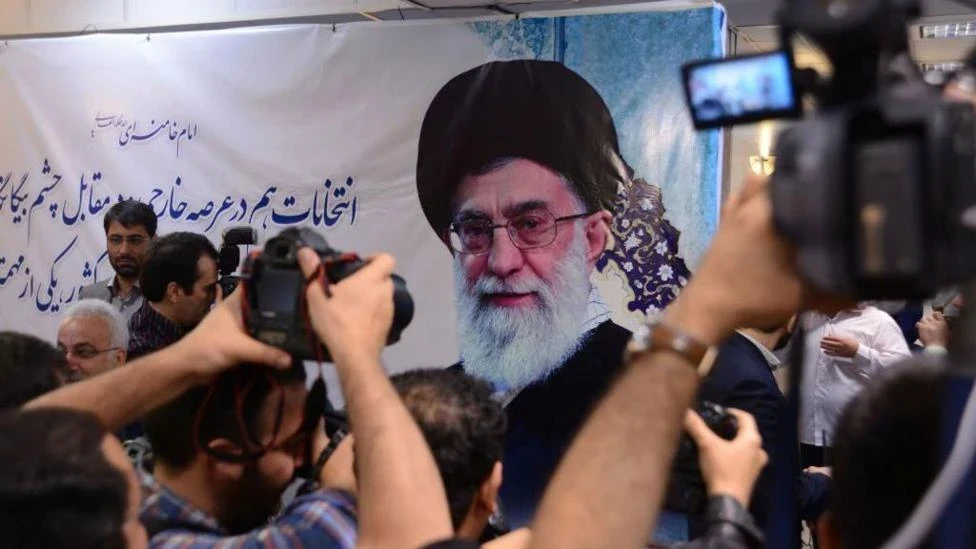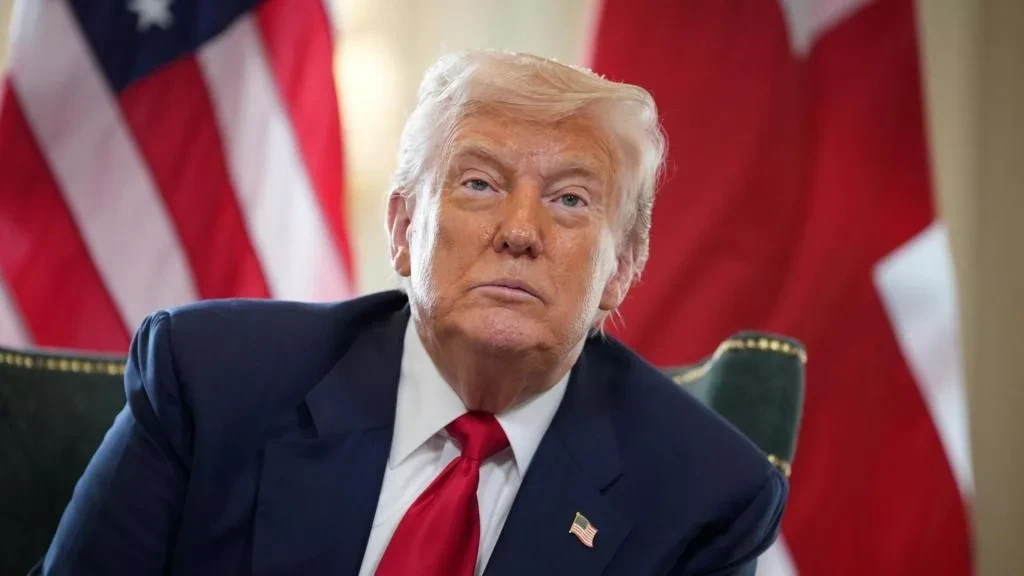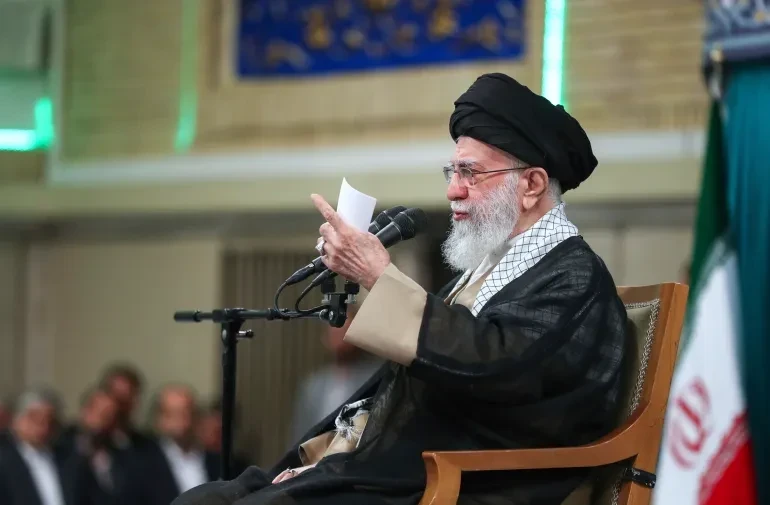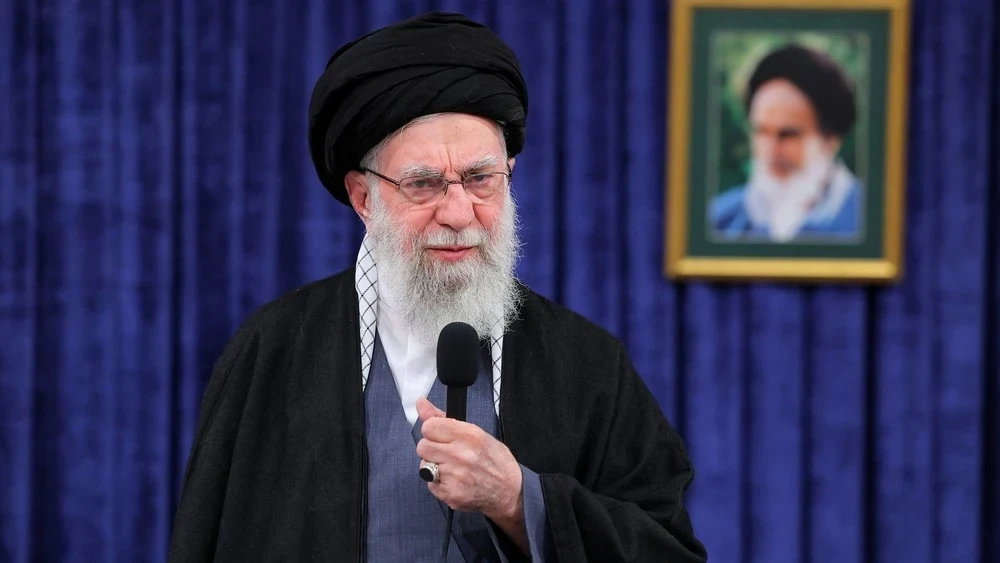
On February 28, Saturday, as a result of a joint air operation by the USA and Israel against the Iranian regime, the Supreme Leader of Iran, Ayatollah Ali Khamenei, was killed.
Ali Khamenei was an Iranian politician and religious leader who became the Supreme Leader of the Islamic Republic of Iran in 1989.
Early Life
Ayatollah Khamenei was born on April 19, 1939, in Mashhad to a family involved in religious activities. From a young age, starting at 13, he studied at a Shia seminary and continued his education in Qom and Najaf under the guidance of Ayatollah Ruhollah Khomeini. In the 1960s, he actively participated in protests against the Shah's regime and was repeatedly arrested by the SAVAK secret police.
Islamic Revolution and Career
During the Islamic Revolution of 1978-1979, Khamenei became a member of the Revolutionary Council and also participated in the establishment of the Islamic Revolutionary Guard Corps. He was also appointed as the Friday prayer leader in Tehran. In 1981, he survived an assassination attempt that resulted in the paralysis of his right arm. That same year, he was elected President of Iran with 95% of the vote and remained in this position throughout the Iran-Iraq War until 1989.
Supreme Leader Position
After Khomeini's death in 1989, Khamenei was elected by the Assembly of Experts to the position of Rahbar. Amendments to the Constitution granted him significant influence over the military, judiciary, state media, and security forces. In 1994, he became a Grand Ayatollah and took his place among the leading Shia marja (highest religious authorities).
Khamenei adhered to conservative Islamic views and advocated for the preservation of the theocratic power of "velayat-e faqih" (the authority of the Islamic jurist). He actively supported the development of nuclear energy while simultaneously declaring a ban on the creation of nuclear weapons.
In his foreign policy, he criticized the USA as the "symbol of tyranny" and Israel as an "occupying regime," supporting groups such as Hezbollah, Hamas, and the Palestinians.
Under his leadership, Iran strengthened its position in the region despite economic sanctions; during the period of 2024-2026, there was an increase in military tension, including missile exchanges with Israel and attacks from the USA.
Domestically, he harshly suppressed opposition, including the protests of 2009 and the unrest of 2022 triggered by the death of Mahsa Amini.
Personal Life
Since 1964, Khamenei was married to Mansoureh Hojjasteh Bagherzadeh; they had six children, among whom his son Mojtaba is considered a possible successor.
His public image emphasized asceticism and simplicity, which combined with his roles as the highest spiritual authority, head of state, and symbol of the Islamic Revolution.
Death
On February 28, 2026, as a result of joint attacks by the USA and Israel on Tehran, Khamenei was killed, along with his daughter and son-in-law. After his death, temporary control of the country was handed over to a council consisting of President Masoud Pezeshkian, the head of the judiciary, and one of the members of the Guardian Council of the Constitution.