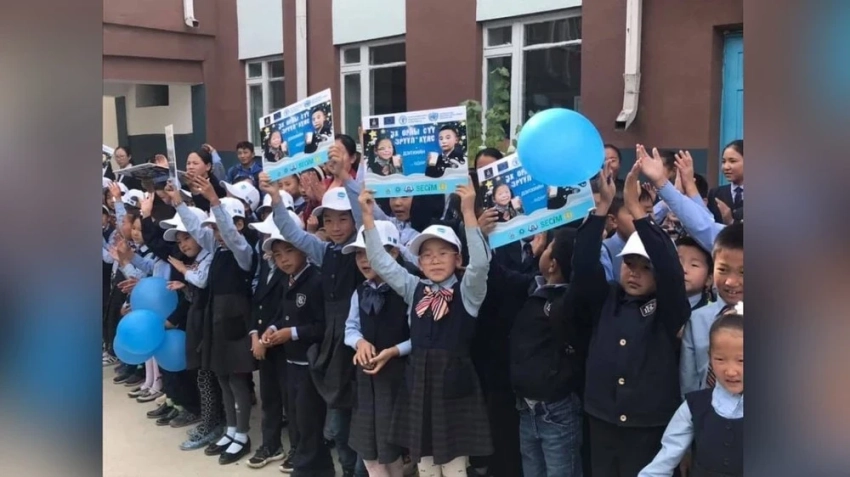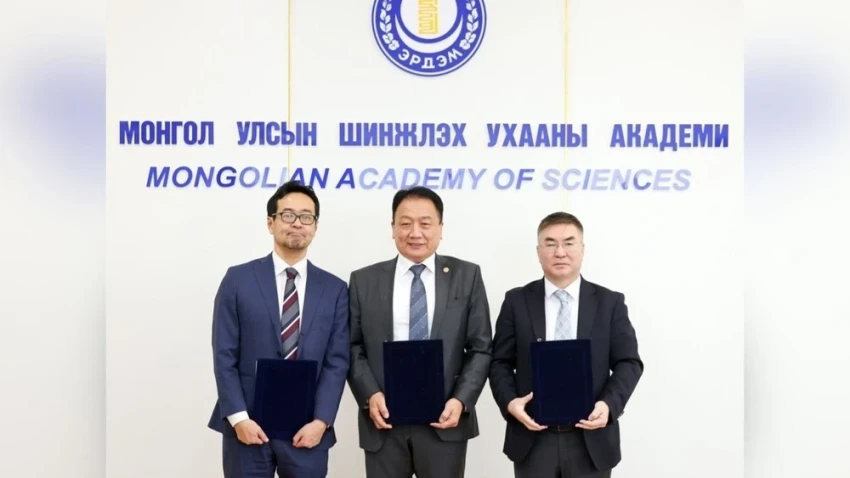
The "Milk Immunity" program will be implemented in stages, providing milk to 189,600 students in grades 1-5 of public schools in the capital this year. The goal of this initiative is to support the growth and development of schoolchildren in Ulaanbaatar.
At the Harumafudzi dairy farm, Governor and Mayor of Ulaanbaatar Nyambaatar Khishgee, along with other officials, discussed the implementation of the milk supply program. The mayor noted that a similar program has existed in Japan since 1959, in the Republic of Korea since 1981, and in China since 2005. In Mongolia, this program has been operating for two years at the Harumafudzi school in New Mongolia. Before the new stage of the program's implementation begins, key health, growth, and development indicators of children will be studied. Starting next year, it will be supplemented with the use of environmentally friendly packaging.
Byambadorj Davaanyam, a representative of Harumafudzi, reported on comparative studies conducted to assess the changes brought about by the milk nutrition program. According to Davaanyam, the results of analyses conducted in the fall and spring showed that regular milk consumption helps maintain necessary levels of calcium and vitamin D and positively affects children's growth. Additionally, among students, the incidence of colds and flu has decreased, which doctors attribute to milk nutrition and physical activity. At the farm, the milk is thermally processed, making it suitable even for children with lactose intolerance.
The Director of the National Center for Public Health, Battur Lkhagvaa, added that a national nutrition survey is conducted every five years. According to the latest 2023 survey, only 15% of children had adequate levels of vitamin D, while the rest showed deficiency. This is related to Mongolia's harsh climate, which prevents children from obtaining necessary vitamins from food. In many cold climate countries, milk is fortified with vitamin D, which aids in calcium absorption. The baseline health indicators of students will be assessed, and after the program concludes, a study will be conducted over a certain period to analyze its results.
Plans for the 2026-2027 academic year include expanding the milk supply program to 430,000 students in grades 1-12 of public schools in Ulaanbaatar.