“Equipment is idle, mortality is rising”
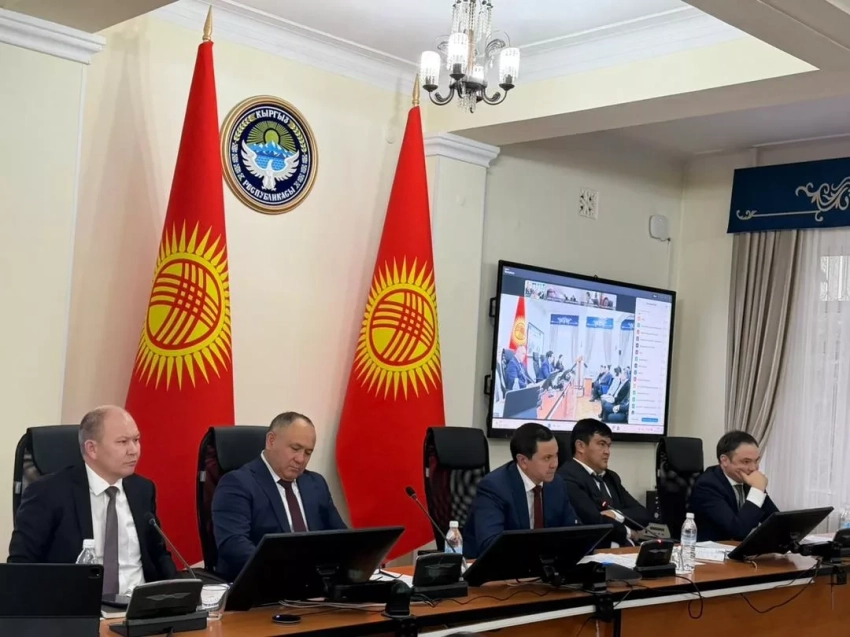
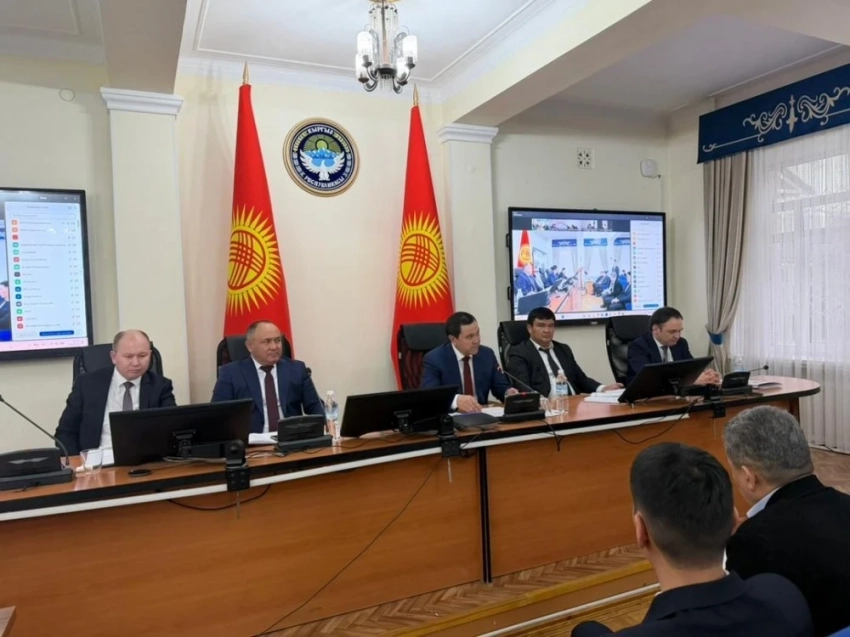
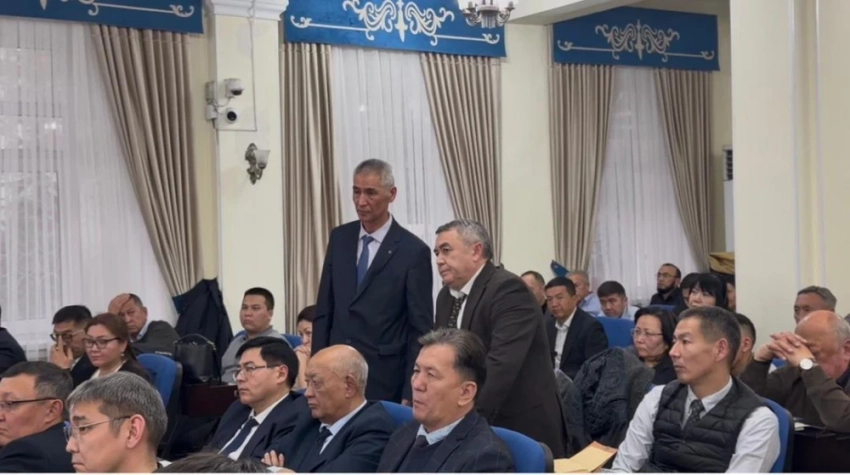
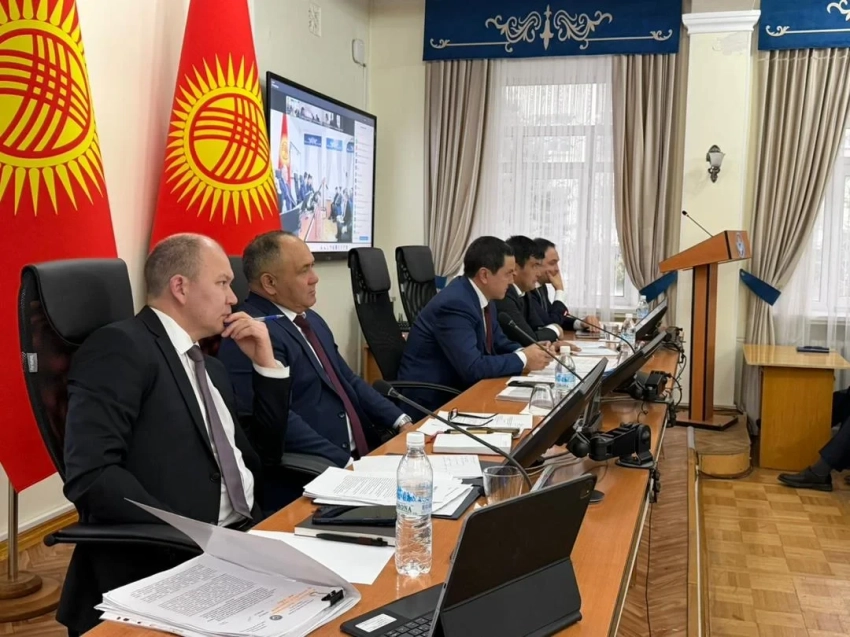
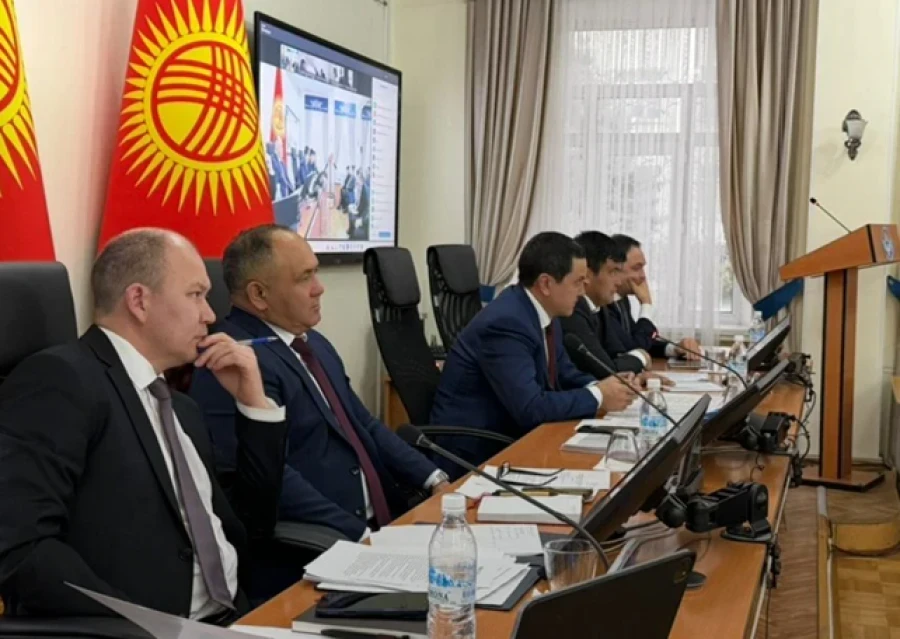
The meeting at the Ministry of Health, chaired by Minister Kanaybek Dosmambetov, became a venue for discussing the results of the inspection of two key institutions — the National Center for Cardiology and Therapy (NCC&T) and the National Research Institute of Cardiology and Therapy (NRICT). The inspection revealed serious shortcomings in the organization of emergency care for patients with cardiovascular diseases.
One of the main problems at the NCC&T was the ineffective use of angiographic equipment, which led to delays in performing coronary angiographies and a lack of availability of echocardiography in the intensive care unit around the clock. Additionally, interdisciplinary consultations and routing were not established, negatively affecting the treatment of patients with acute coronary syndrome, despite the availability of technical capabilities for primary PCI (percutaneous coronary intervention).
Particular attention was paid to the issue of thrombolysis. According to international standards, this method is not used in centers with angiographs and a round-the-clock team, as PCI is considered the “gold standard.” In this regard, the minister expressed doubts about the appropriateness of the NCC&T's request for the purchase of thrombolytic drugs amounting to 28 million soms.
The minister also raised the issue of corruption in the procurement of medical drugs and equipment, pointing to the personal responsibility of the NCC&T director, Talantbek Sooronbaev, who frequently traveled abroad (45 trips in two years — almost twice a month), as well as his property valued at 2 million dollars.
As for the NRICT, violations were also recorded in the handling of equipment and consumables. The cardiothoracic surgery equipment, located in the main building where a fire previously occurred, is stored in inadequate conditions, raising doubts about its functionality. Furthermore, despite allocated funds, the order from the President of the Kyrgyz Republic, S.N. Japarov, to equip the intensive care unit with ultrasound and echo machines remains unfulfilled.
The minister noted that the number of cases where patients operated on by the director of the Institute, Samidin Shabyraliev, returned with complications to private cardiothoracic clinics has increased.
The meeting also discussed the systemic problem of interaction between the NCC&T and the NRICT. Delays in providing assistance to patients with acute coronary syndrome occur against the backdrop of idle angiographs. Having a direct connection between the institutions could help establish full routing, which, according to the minister, makes the duplication of cardiothoracic surgery at the NCC&T economically unjustified.
“If the equipment is idle, processes are unorganized, and mortality is rising — this is not a technical problem, but a matter of attitude towards the work. And this is on your conscience,” the minister emphasized.
As a result of the meeting, the minister instructed that the NRICT be equipped with the necessary medical equipment as soon as possible, and the NCC&T ensure round-the-clock echocardiography in the intensive care units and organize the use of angiographs in accordance with clinical protocols, excluding unjustified use of thrombolysis.
As a result of the identified violations, the heads of both institutions resigned. The minister stated that young but experienced specialists, including those with significant experience abroad, would be considered as new leaders.
Photo www