The Ministry of Health reported identified shortcomings in the organization of emergency care for patients with cardiovascular diseases at the NCCCT. There were instances of downtime for angiographic equipment, delays in performing coronary angiographies, as well as a lack of continuous access to echocardiography in the intensive care unit. Furthermore, timely patient referrals and interdisciplinary consultations were not established, negatively impacting the treatment outcomes for individuals with acute coronary syndrome, despite the availability of necessary technical conditions for primary interventions.
Additionally, the appropriateness of using thrombolysis in the presence of angiographs was discussed, which raised doubts for the minister regarding the NCCCT's request for the acquisition of thrombolytic drugs amounting to 28 million soms.
Moreover, the minister expressed concern about corruption schemes in the procurement process of medical supplies and equipment, and called for accountability from the head of the NCCCT, Talantbek Sooronbaev, questioning his frequent foreign business trips (45 trips in two years) and the origin of assets valued at approximately $2 million.
At the SRIHSOT, violations were also identified in the handling of medical equipment and consumables. The cardiothoracic surgery equipment located in the main building, where a fire occurred, was found to be covered in construction dust, raising questions about its functionality and safety. Despite allocated funds, the president's directive to equip the intensive care unit with ultrasound and echocardiography machines remained unfulfilled.
The minister noted an increase in cases where patients operated on by the director of the SRIHSOT, Samidin Shabyraliev, who faced complications, sought help from private clinics.
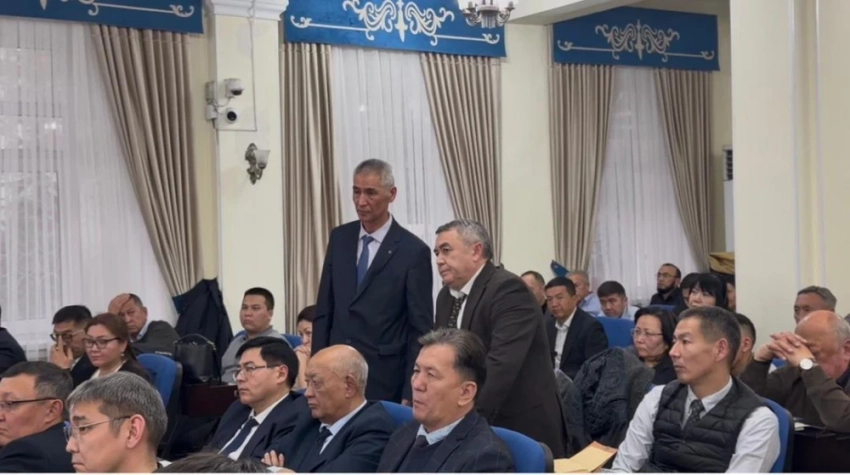
As a result of the meeting, the leaders of both organizations decided to voluntarily resign from their positions due to the identified violations and their non-compliance with their roles. The minister emphasized that candidates for the vacant positions would be considered from among young but experienced specialists, including those with work experience abroad.