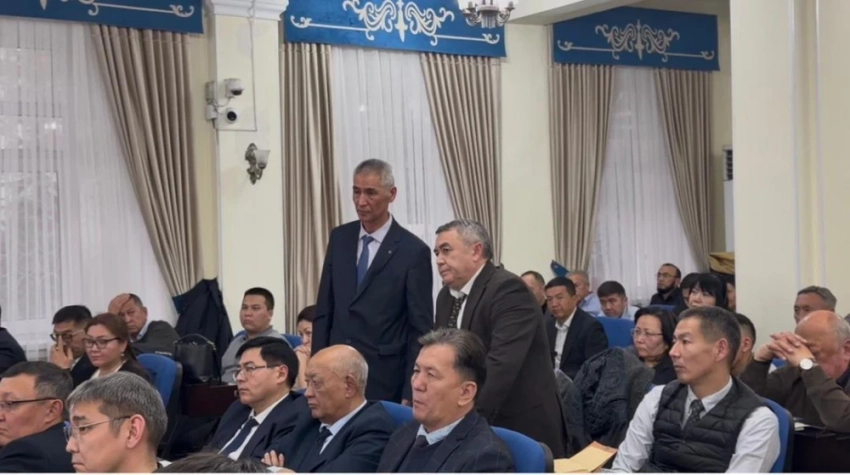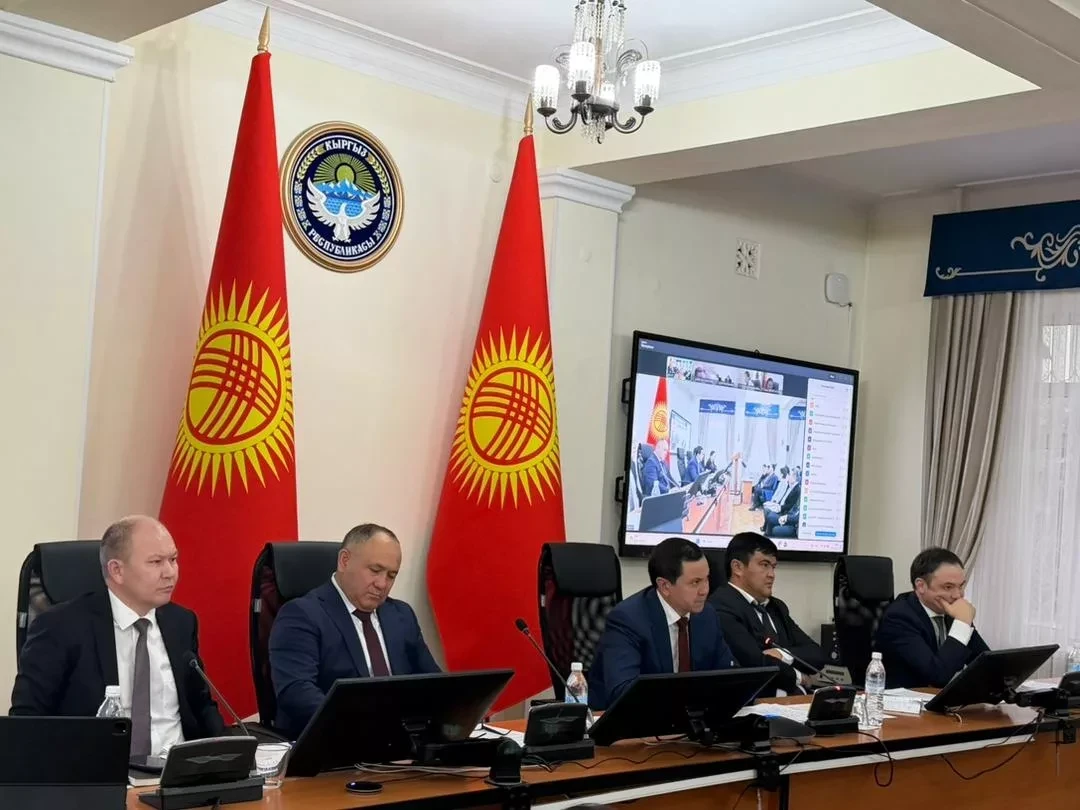
The recent meeting at the Ministry of Health of the Kyrgyz Republic, chaired by Minister Kanaybek Dosmambetov, was dedicated to the results of an on-site inspection of the National Center for Cardiology and Therapy named after M. Mirrahimov (NCKiT) and the Research Institute of Heart Surgery and Organ Transplantation (NIIHSiTO). This was reported by the press service of the Ministry of Health.
During the inspection at NCKiT, serious deficiencies were identified in the organization of emergency care for patients with cardiovascular diseases. In particular, delays in performing coronary angiographies and the unavailability of echocardiography in the intensive care unit around the clock were noted, as well as downtime of angiographic equipment. It should be noted that the lack of timely routing and interdisciplinary consultations negatively affects the treatment of patients with acute coronary syndrome, despite the availability of technical capabilities for performing primary PCI (percutaneous coronary intervention).
The discussion also touched upon the issue of using thrombolysis, despite the presence of angiographs. The minister pointed out that according to international standards, in centers with round-the-clock access to angiographs, thrombolysis is not used, as PCI is considered the "gold standard." In this regard, he expressed doubts about the feasibility of NCKiT's request for the purchase of thrombolytic drugs worth 28 million soms.
Corruption manifestations in the procurement of medicines and medical equipment also became a subject of discussion. Minister Dosmambetov drew attention to the frequent foreign trips of NCKiT director Talantbek Sooronbaev (45 times in two years) and the origin of his property worth about 2 million dollars.
Violations in the handling of medical equipment and consumables were identified at NIIHSiTO. The equipment for cardiac surgery, stored in the main building where a fire previously occurred, is in poor condition, covered in construction dust, raising doubts about its operability. Moreover, despite allocated funds, President Sadyr Japarov's order to equip the intensive care unit with ultrasound and echo machines remains unfulfilled.
The minister noted an increase in cases where patients operated on by the director of the Institute, Samidin Shabyraliev, sought help from private cardiac surgery clinics due to complications.
The meeting also addressed the problem of insufficient interaction between the two centers. Patients with acute coronary syndrome receive assistance with delays, while angiographs remain idle, and establishing direct communication between the institutions could improve routing. The minister emphasized the economic impracticality of duplicating cardiac surgery at NCKiT, given the profile of NIIHSiTO and their infrastructural capabilities.
Dosmambetov noted that the lack of clinical protocols in cardiac surgery, equipment downtime, and untimely diagnostics affect the mortality rate. He expressed dissatisfaction with the work of the management of both institutions and added: "When equipment is idle, processes are disorganized, and mortality is rising — this is not a question of technology, but of attitude towards the work. And this is on your conscience."
At the end of the meeting, the minister instructed to promptly equip NIIHSiTO with the necessary medical equipment. NCKiT must ensure round-the-clock echocardiography in intensive care units and organize the use of angiographs in strict accordance with clinical protocols, avoiding unjustified use of thrombolysis.
The leaders of both institutions decided to voluntarily resign due to the identified violations and non-compliance with their positions. The minister emphasized that young but experienced specialists, including those with significant experience abroad, will be considered as new leaders.
The ministry will continue its work aimed at reducing mortality from cardiovascular diseases, improving the efficiency of cardiac services, and rational use of state resources in this area.