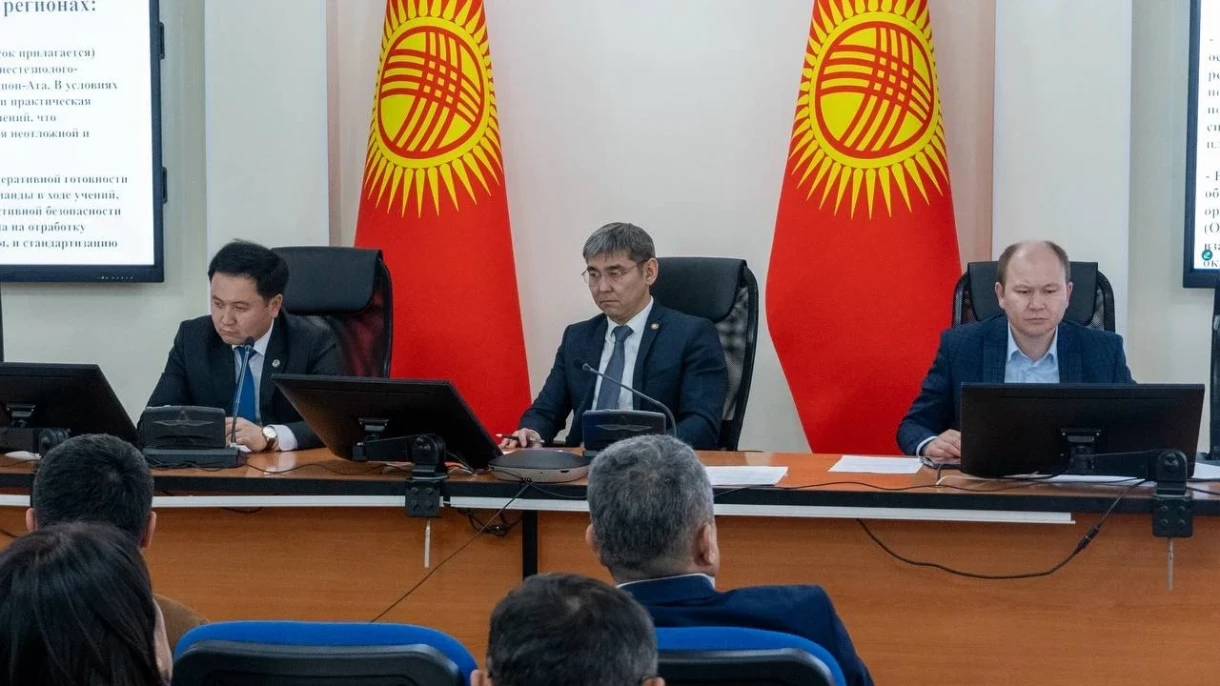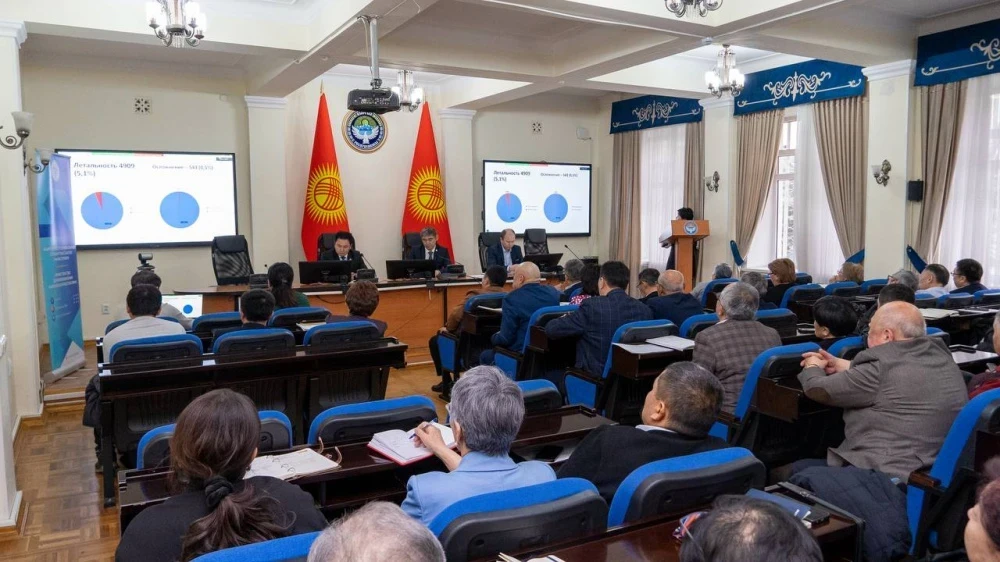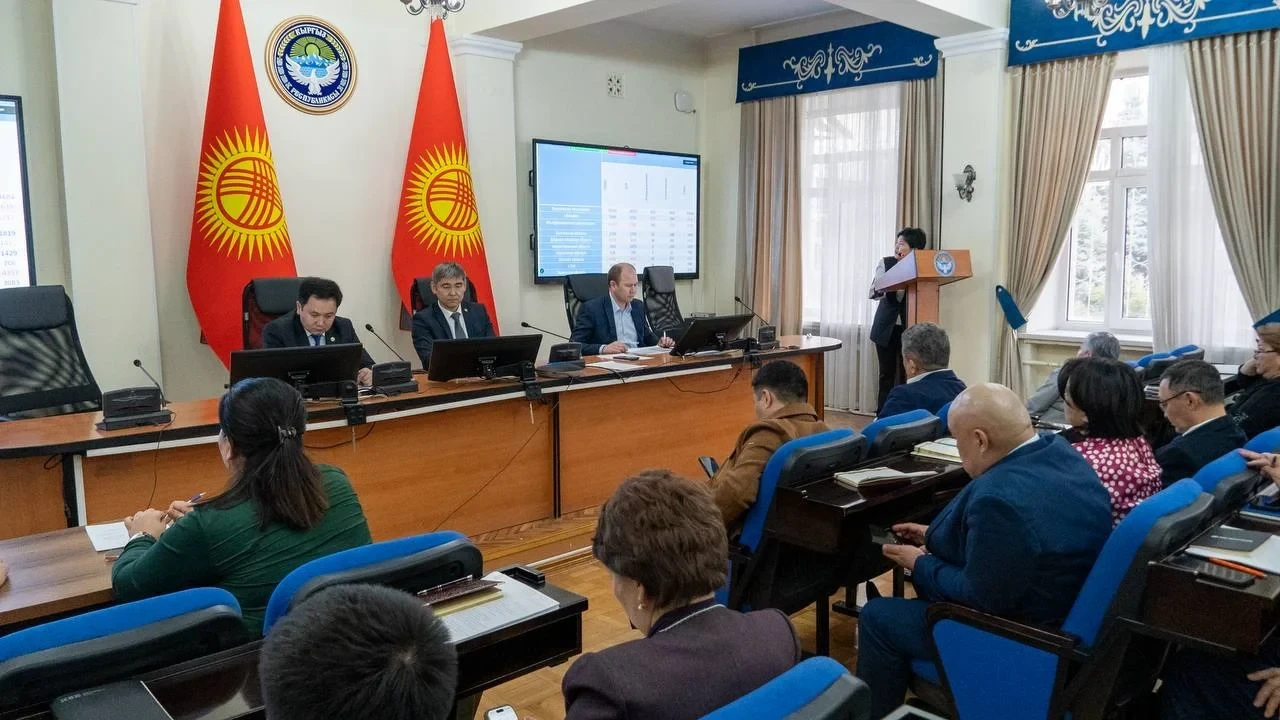
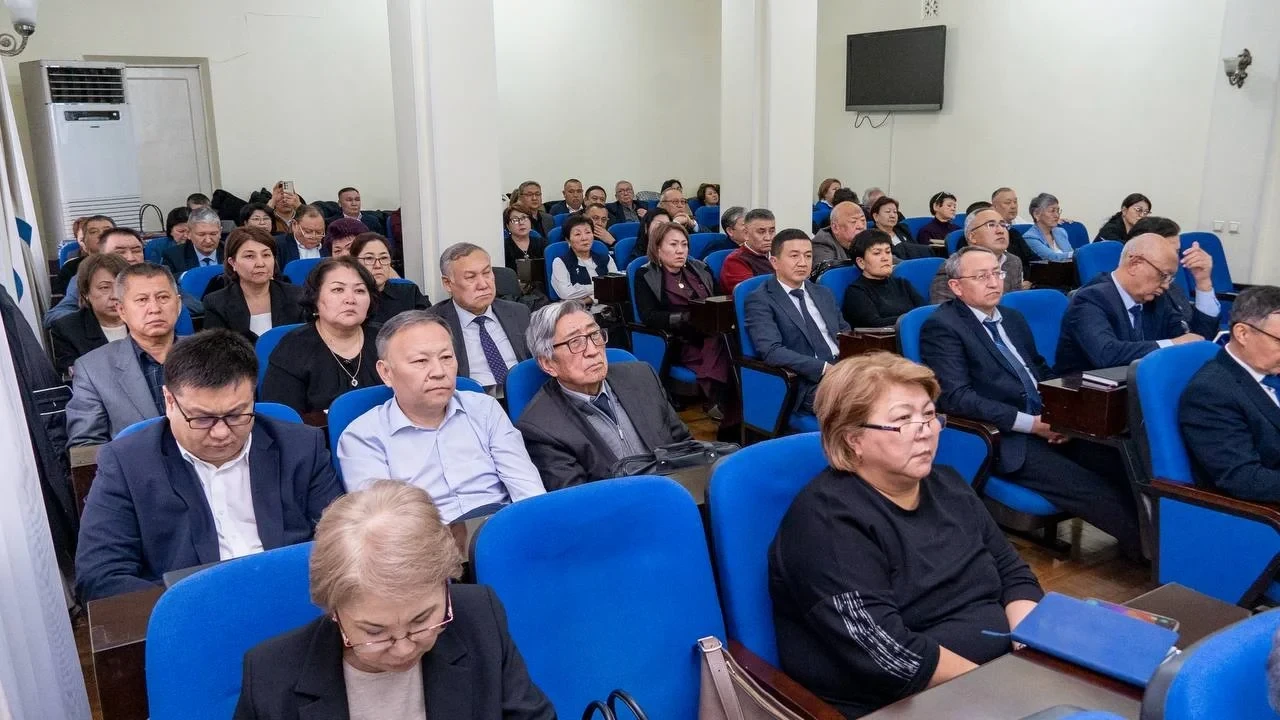
On March 9, a working meeting was held in Bishkek, organized by the Ministry of Health of Kyrgyzstan under the leadership of Minister Damir Osmonov. The agenda was dedicated to analyzing the work of the anesthesiology and resuscitation service for the year 2025 and determining further steps for its development.
The main report was delivered by Zhyldyz Derkembaev, the chief freelance specialist in anesthesiology and resuscitation, Doctor of Medical Sciences, and associate professor. During the discussion, key performance indicators of the service, the state of staffing, the level of equipment in medical institutions, and the main problems faced by specialists were presented.
According to the ministry, there are currently 538 anesthesiologists-resuscitators and 1,161 nurses working in the country. The republic has 733 beds designated for anesthesiology, resuscitation, and intensive care. In 2025, over 105,000 anesthetics were performed, and 95,733 patients were treated in resuscitation departments.
Meeting participants agreed that the anesthesiology and resuscitation service plays a crucial role in the healthcare system. It ensures the operation of surgical procedures, the treatment of patients in critical conditions, and the provision of emergency medical assistance.
However, several serious problems were highlighted during the discussion. In particular, a shortage of specialists, especially in remote regions, and a high workload on the existing medical staff were noted. Additionally, participants emphasized the need to improve training and continuing education for personnel.
Experts also drew attention to issues related to the equipment and operation of medical devices. Although some institutions have modern equipment, part of it requires repair or maintenance and is not fully utilized due to a lack of consumables or insufficient staff training.
Ways to enhance the effectiveness of monitoring the work of resuscitation departments and improve the reporting system, as well as enhance technical support for medical devices, were also discussed.
Minister Osmonov emphasized the importance of developing the anesthesiology and resuscitation service as one of the priorities of the healthcare system, as this service is responsible for treating the most severe patients and supporting surgical assistance.
As a result of the meeting, the minister issued a number of instructions for the relevant departments of the Ministry of Health: to conduct a detailed analysis of the staffing of the anesthesiology and resuscitation service by regions and prepare proposals for improving the training and retraining of specialists; to establish control over the effective use of high-tech medical equipment in institutions; and to strengthen monitoring of the work of resuscitation and intensive care units.