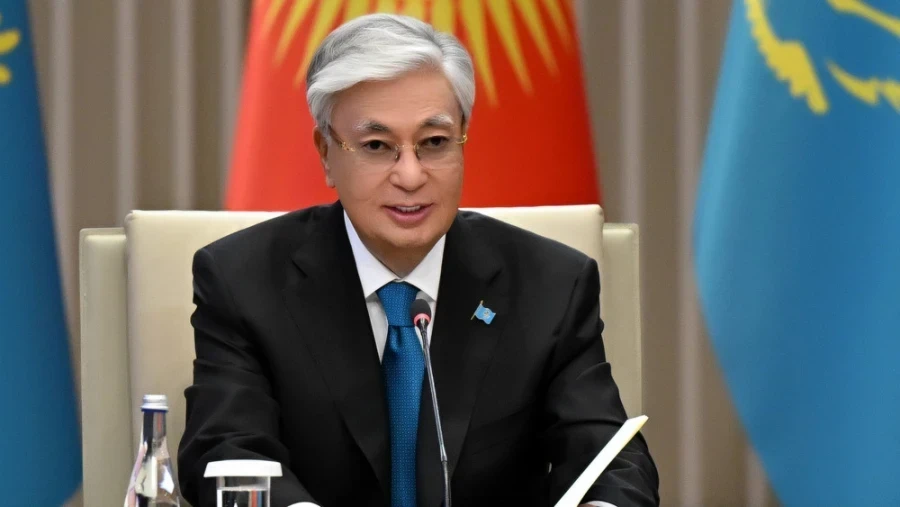
He emphasizes that the reforms in Kazakhstan are aimed at improving public administration and modernization.
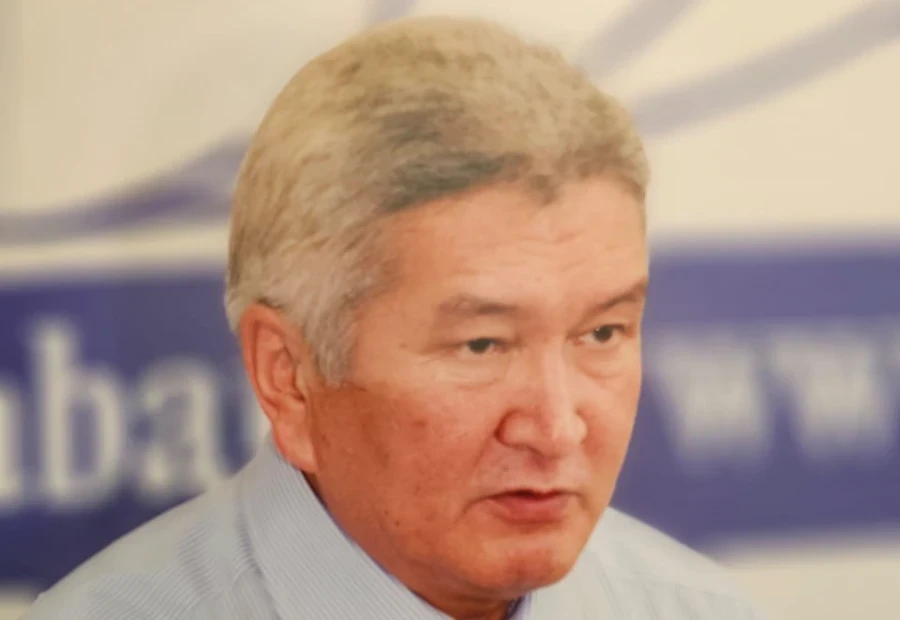
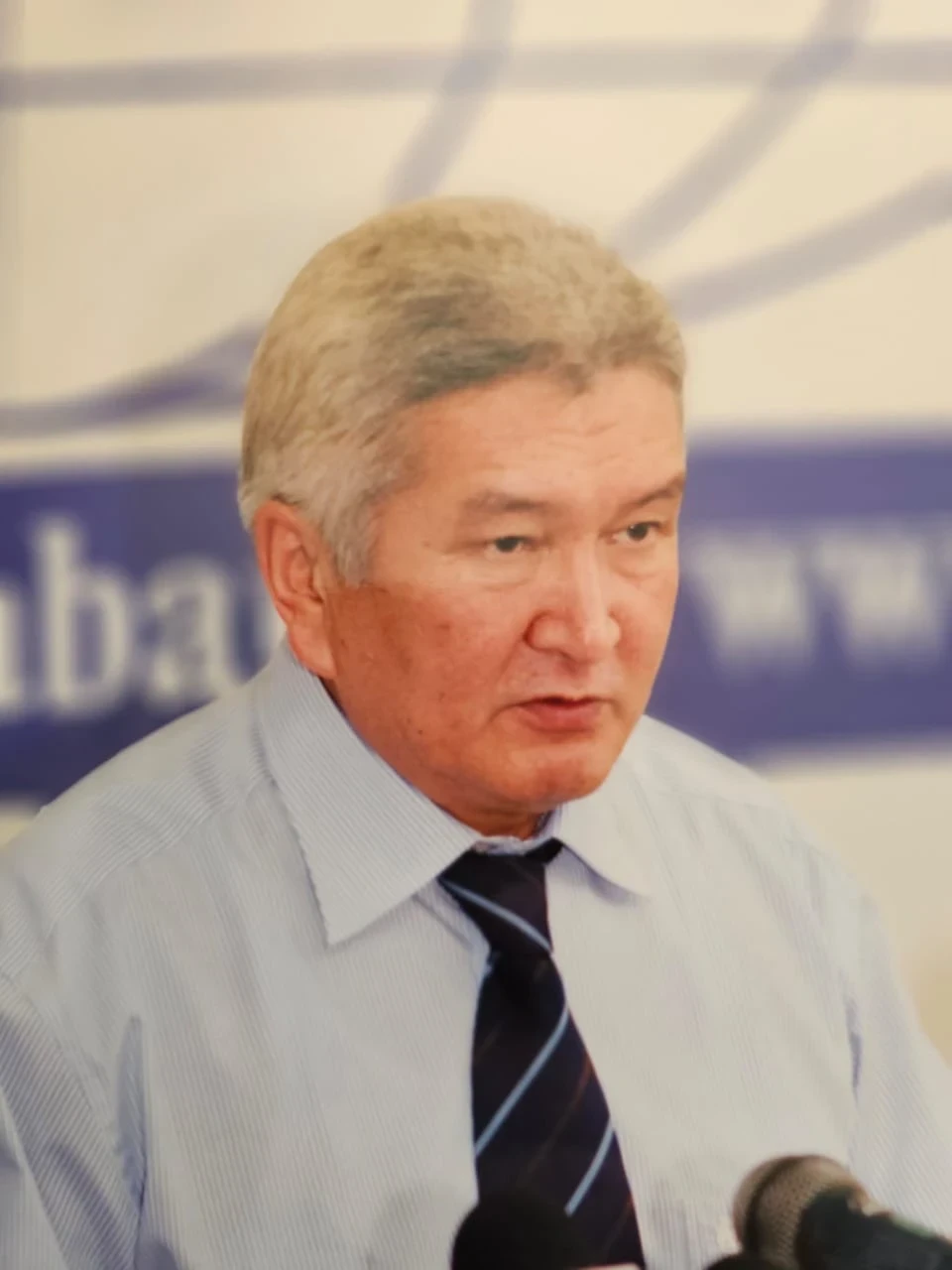
According to Felix Kulov, former Chairman of the Cabinet of Ministers of Kyrgyzstan and former Vice President, the constitutional reform in Kazakhstan represents a logical stage in the development of the state structure, adapting the political system to modern challenges.
Kulov believes that any changes to the Constitution should be viewed through the lens of the historical evolution of society and the state. The Constitution is a dynamic document that must adapt to changes in social conditions.
“There are no ideal constitutions. The fundamental law must always respond to the tasks and challenges characteristic of its time. As social conditions change, constitutions improve, and this is a natural part of the development of the state,” he noted.
In his opinion, the changes taking place in Kazakhstan should not be perceived as a singular reform, but as part of a broader institutional transformation. In the context of new challenges in the economy, technology, and geopolitics, the state's ability to adapt its institutions becomes a fundamental factor in its resilience.
Felix Kulov emphasized the legal mechanisms aimed at improving the protection of citizens' rights. In particular, the establishment of a Constitutional Court, which expands citizens' rights to protect their interests.
“The establishment of the Constitutional Court significantly strengthens the system for protecting civil rights. The ability to appeal directly to this body reflects the practices of developed legal systems and is an important step towards strengthening the rule of law,” he stated.
He also discussed changes in the structure of the highest authority. The introduction of a single seven-year term for the president, in his opinion, is aimed at reducing the risk of excessive concentration of power and creating a more balanced political system.
Furthermore, Kulov emphasized the importance of restrictions on appointing close relatives of the president to high positions, adding that such measures help avoid conflicts of interest and increase the transparency of public administration.
The expert highlighted the issue of natural resource management. The constitutional provision that land and its subsoil belong to the people is of great importance for state policy in this area.
“For a country with rich resource potential, such a norm is particularly significant. It implies that natural wealth is the common property of the people, and state policy should be aimed at ensuring that the income from their exploitation serves the interests of the entire society,” Kulov added.
Expanding on this topic, he emphasized that the significance of reforms goes beyond the political system and is directly related to economic development.
“Strong legal institutions are one of the main factors of economic growth. The experience of other countries shows that those who strengthen the rule of law and establish transparent rules for business gain significant advantages in economic growth,” he noted.
In this context, Kulov believes that the new edition of the Constitution of Kazakhstan creates a legal foundation for future political and economic transformations.
He also pointed out the regional significance of the changes in Kazakhstan. As the largest economy in Central Asia, Kazakhstan plays a critical role in ensuring stability in the region.
According to him, successful reforms in Kazakhstan will have a positive impact on the entire region, given the close economic and humanitarian ties.
In conclusion of his assessment, Kulov noted that not only the content of the reforms but also their implementation is crucial.
The effectiveness of the principles laid down in the Constitution will determine its ability to become a reliable foundation for strengthening state institutions, improving the living standards of citizens, and the long-term development of the country.