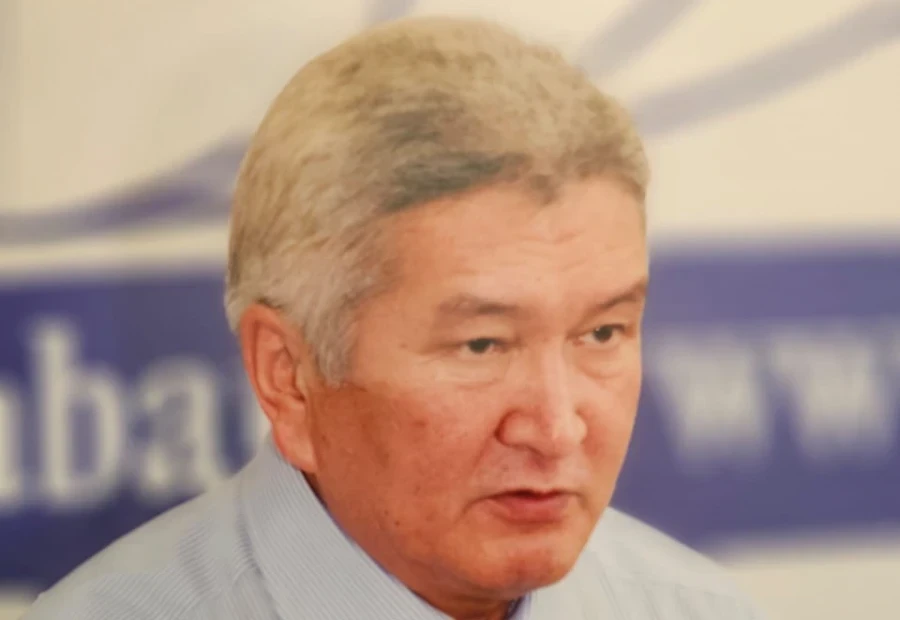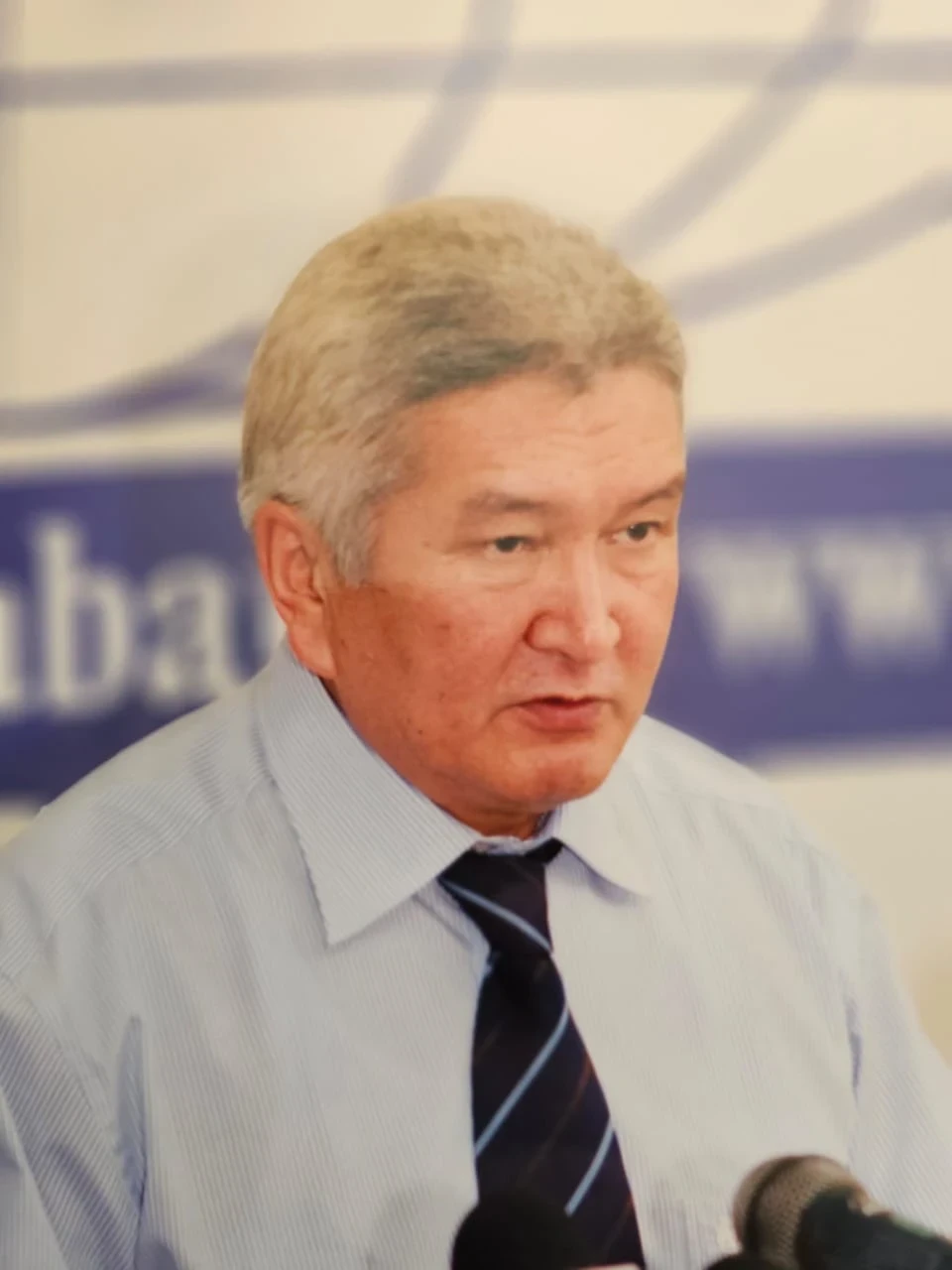
The former Prime Minister of Kyrgyzstan emphasized the importance of reforms for the region and the strengthening of legal institutions.
Felix Kulov, the former Prime Minister of Kyrgyzstan, expressed the opinion that the constitutional reform in Kazakhstan is a logical stage in the development of statehood. It aims to adapt the political system to modern challenges.
According to Kulov, changes to the Constitution should be viewed in the context of the historical development of the nation and the state. He noted that the Constitution is not a static document; it changes along with the changing social conditions.
“There are no perfect constitutions. The fundamental law always responds to the challenges and tasks of a specific historical moment. As the living conditions of society change, constitutions also improve, which is a natural part of development,” he noted.
Kulov views the changes occurring in Kazakhstan as part of a continuous process of institutional renewal, rather than as a one-time event. In the context of economic, technological, and geopolitical challenges, the ability of the state to adapt is a key factor in its resilience.
Addressing the content of the reform, he emphasized the importance of strengthening legal mechanisms for the protection of citizens' rights, including the establishment of a Constitutional Court, which expands opportunities for citizens to defend their rights.
“The establishment of a Constitutional Court significantly enhances the protection of citizens' rights. The direct ability to appeal to this body corresponds to the practices of developed legal systems and is an important step towards strengthening the rule of law,” he added.
Kulov also noted changes in the system of supreme power, including the introduction of a single seven-year presidential term, which, in his opinion, will help reduce the risks of excessive concentration of power and create a more balanced political system.
Continuing on this topic, he pointed out the significance of restrictions regarding the appointment of close relatives of the president to leadership positions. These norms, he said, serve as an important mechanism for preventing conflicts of interest and increasing transparency in governance.
The expert also highlighted the issue of natural resource management, noting the enshrinement in the Constitution of the principle that land and its subsoil belong to the people, which is fundamentally important for state policy in this area.
“For a country with rich resource potential, this norm is of particular significance. It implies that natural wealth is a national asset, which requires state policy to focus on using the revenues from these resources in the interests of society,” Kulov stated.
Developing his thought, he added that the significance of the reforms goes beyond the political system and is related to economic development.
“Strong legal institutions are key to economic progress. International experience shows that countries that strengthen the rule of law and create transparent rules for business achieve significant success in economic growth,” he concluded.
According to Kulov, the new edition of the Constitution of Kazakhstan lays the legal foundation for future political and economic transformations.
Moreover, he noted the regional significance of the reforms, emphasizing that Kazakhstan, as the largest economy in Central Asia, plays an important role in ensuring regional stability.
Kulov added that the successful development of Kazakhstan positively affects the entire region, thanks to close economic, transport, and humanitarian ties.
In conclusion of his assessment, he emphasized that not only the content of the reforms is important, but also their implementation in practice.
The extent to which the principles enshrined in the Constitution are consistently implemented will determine their potential to become a reliable foundation for strengthening state institutions, increasing the well-being of citizens, and the long-term development of the country.