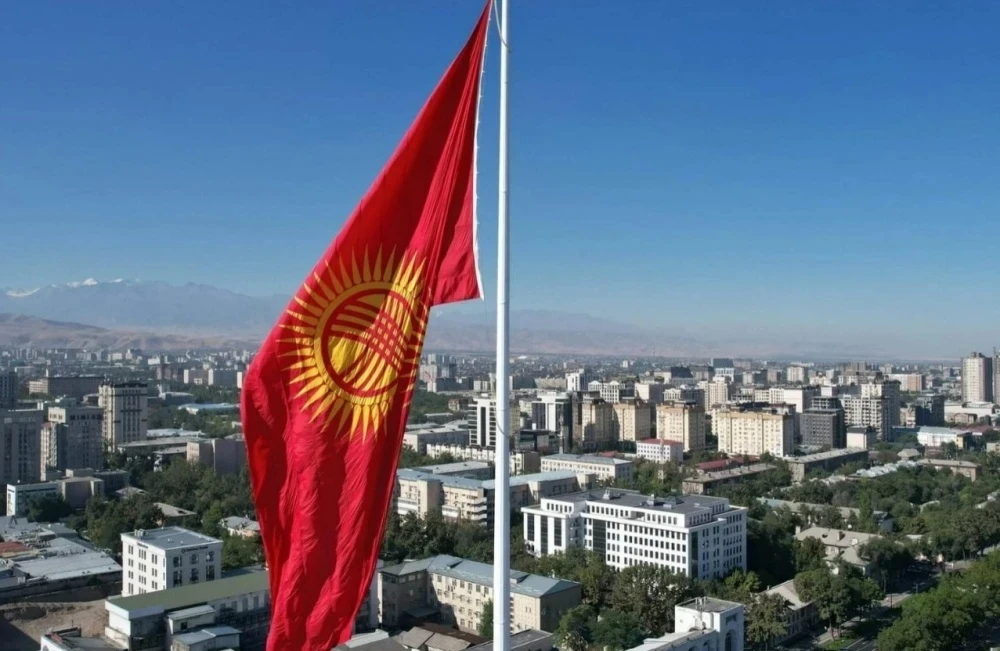
Kyrgyzstan has always stood out against the backdrop of Central Asia. Unlike its neighbors, which build stable vertical power structures, the political situation here often changed with astonishing speed. Three revolutions in three decades of independence are not just numbers, but a reflection of a deep societal demand for justice and accountability from those in power.
Recent, especially radical, changes to the Constitution and the transition to a super-presidential model of governance have sparked numerous debates both domestically and internationally. The main question that remains open is whether Kyrgyzstan, having implemented yet another round of reforms, is truly moving towards more effective governance and stability?
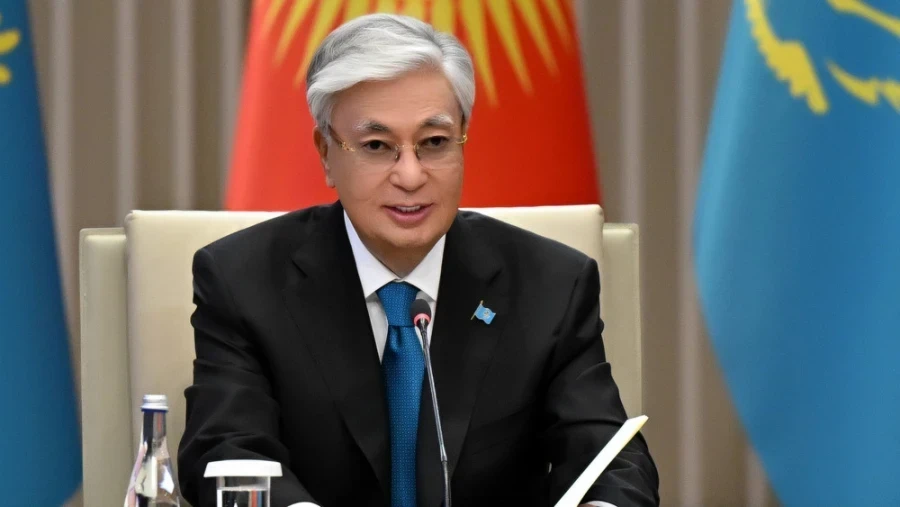
The main reasons for these changes lie not only in one leader's desire to consolidate power but also in a profound crisis of trust in old institutions. The president's team has achieved certain successes. In 2025, the public trust index rose to 46.2 points, which is 18% higher than the previous year. "This growth in the index indicates high citizen trust in the political course pursued by President Sadyr Japarov and his team," noted Prime Minister Adylbek Kasymaliev.
The complex parliamentary system, which implied a "president with a strong parliament," often led to paralysis of power. Legislators, detached from the real needs of society, engaged in endless bargaining, while governments changed faster than they could approve the budget.
Proponents of the new reforms argued that the country, faced with corruption and poverty, needed a single decision-making center. The president, endowed with expanded powers, should become a guarantor of law enforcement rather than allowing laws to become subjects of political games.
February 2026 was marked by a survey indicating that 81% of respondents support Sadyr Japarov's activities, and 75% are confident in his ability to fulfill the duties of the president.
The constitutional changes adopted in 2021 significantly strengthened the executive power. Supporters of these changes see them as an opportunity to launch long-planned economic and social reforms, free from constant political conflicts.
Despite having a strong team, there have also been resignations in the government. On February 16, Transport Minister Abdykarim Syrgabaev, Natural Resources Minister Meder Mashiev, and Emergency Situations Minister Boobek Ajikeev were dismissed, followed by the resignations of Health Minister Kanibek Dosmbetov and Deputy Prime Minister Bakyt Torobaev on February 24.
The misconduct of the Transport Minister was evident. In 2024, the president had already pointed out issues with the state of roads in Bishkek. "I am aware of complaints about the roads built by the ministry," he commented.
Recently, Kyrgyzstan saw its second health minister change. Initially, it was Erkin Cheichebaev, followed by Kanibek Dosmabetov, who had experience in law enforcement. Problems in the Ministry of Health have accumulated over the years, and according to former Minister Cheichebaev, "the lack of a strategic vision for the development of the oncology service" is a fundamental issue.
A serious shortage of medical personnel also remains relevant. Kyrgyzstan has one of the lowest rates of healthcare professionals: about 17 doctors per 100,000 population, while in Russia, there are about 30. Low salaries force doctors to leave the country in search of better working conditions, primarily to Russia. The president has outlined tasks to address these issues, but tangible results are still lacking.
Addressing problems in these areas takes time; however, they must be resolved. It is important to note that the pursuit of a "strong hand" should not lead to the destruction of checks and balances, nor to the weakening of parliamentary oversight over the actions of officials.
Kyrgyzstan is in a state of transformation, where the desire for stability is combined with active citizen participation in governance. Reforms have undoubtedly brought certain successes and allowed for the implementation of a number of decisions that were impossible under the previous system. This can be seen as their "victory."
However, if such effectiveness is achieved at the cost of suppressing opposition, limiting media freedom, and weakening parliamentary control, then this "victory" comes at too high a price. History teaches that systems without effective checks and balances inevitably face new crises sooner or later.
Undoubtedly, it is crucial to prevent mechanisms of representation and control from being used by radicals or entities under foreign influence. However, it is also important not to suppress civic activity.
The future of Kyrgyzstan depends on the current leadership's ability, wielding significant power, to demonstrate political wisdom: to solve problems while respecting citizens' rights to criticize, avoiding potential "rollback" or a new revolution. At this moment, the country is a vivid example of how easily one can transition from strong governance to authoritarianism.
Polina Becker