
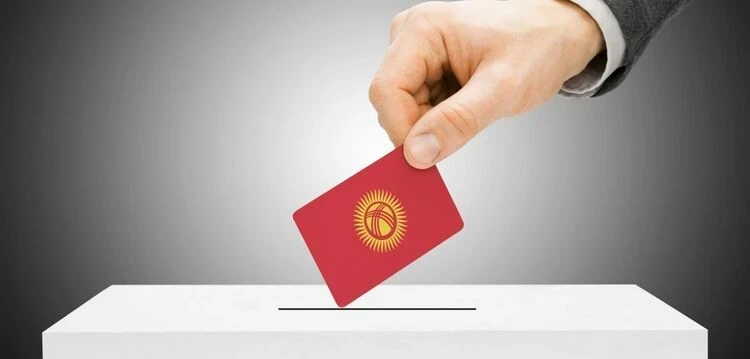
The draft amendments to the Law "On the Elections of the President and Deputies of the Jogorku Kenesh" was presented in the Jogorku Kenesh by Deputy Dastan Bekeshev. The main goal of the proposed changes is to increase voter turnout, combat vote buying, and improve the organization of voting outside polling stations.
Encouraging Citizens to Participate in Elections
The draft law introduces the right of the state to encourage citizens to vote. It proposes three main mechanisms:
- Funding local initiatives from the republican budget for local self-government bodies where voter turnout exceeds 70%. These funds will be directed towards improvements, including lighting, sports grounds, and greening.
- Providing free public transport on election day so that citizens can reach polling stations without incurring costs.
- Employers are required to provide time for their employees to vote, regardless of the type of ownership of the company.
The draft law also notes that fines for not participating in voting and coercion to vote are not provided.
Measures Against Voter Bribery
A separate section of the amendments focuses on combating vote buying. It is proposed to create a special fund under the Central Election Commission, which will be financed from the republican budget. From this fund, it is planned to:
- pay monetary rewards to citizens who report cases of bribery, provided that the information is confirmed;
- reward active citizens with certificates and other tokens of attention that do not require monetary compensation but ensure public recognition.
The authors of the law hope that if it becomes more profitable for a voter to report bribery than to receive money, the scheme "candidate — intermediary — bribery" will become less attractive.
Changes in the Procedure for Voting Outside Polling Stations
The procedure for voting outside polling stations is also significantly changed:
- Only citizens with disabilities and those in serious health conditions, with supporting documents, will be able to vote at home;
- An application for voting outside the polling station must be submitted in person, through a close relative, or a social worker three days before the elections;
- The precinct commission will only travel within its territory;
- It is prohibited to submit applications from the chairpersons of homeowners' associations, house committees, and campaigners;
- Home voting will be conducted only on election day from 8:00 AM to 6:00 PM;
- The commission must ensure biometric and personal identification of voters, the presence of observers, and transparent accounting of ballots during remote voting.
These changes are aimed at preventing manipulation of home voting and pre-prepared applications from local intermediaries.
Campaigning and Use of Administrative Resources
The draft also includes provisions on campaigning and the use of administrative resources:
- It clarifies that individuals holding state and municipal positions cannot be representatives of candidates;
- The list of those prohibited from campaigning is expanded to include chairpersons and deputies of territorial public self-government;
- A direct ban on campaigning in the premises of schools, kindergartens, medical institutions, and places of worship is introduced;
- Deputies can campaign only for themselves or their party, not for other candidates.
Social Networks, Donations, and Campaigners
A separate block of amendments concerns the use of social networks and campaign materials. Candidates are allowed to post non-campaign-related materials on social networks without fear of censorship. The law also clarifies what campaign materials must contain the details of the customer and manufacturer, excluding products with symbols and content created by the candidate themselves for social networks.
As for financial matters:
- Donations to the election fund can be made via QR code, with the bank required to provide the PIN and full name of the donor;
- It is defined who is considered an anonymous donor — if there is no full name and PIN in the payment document or with the bank;
- Expenses for the meals of campaigners, trusted persons, and observers cannot be paid from the election fund.
The draft proposes to reduce the maximum number of official campaigners for a candidate for deputy from 1000 to 500.
According to the author, such a large limit may facilitate the legalization of mass bribery through campaigners.
Early Termination of Powers
The law also includes an amendment excluding the basis for the early termination of a deputy's powers in the Jogorku Kenesh in the event of the termination of a criminal case on non-rehabilitative grounds. Dastan Bekeshev believes that this contradicts the Constitution and may lead to pressure on parliamentarians through the initiation of criminal cases.
What Was Excluded from the Law and Next Steps
As a result of public discussion, the provision on encouraging citizens with digital sums was excluded from the text, which drew criticism from users.
The explanatory note emphasizes that the draft:
- does not require additional financial resources from local or republican budgets;
- does not affect entrepreneurial activities and does not require regulatory analysis;
- will not cause negative social, economic, or corruption consequences.
The document is submitted for consideration by the relevant committees of the parliament and the Jogorku Kenesh.


