Some traditions may be canceled
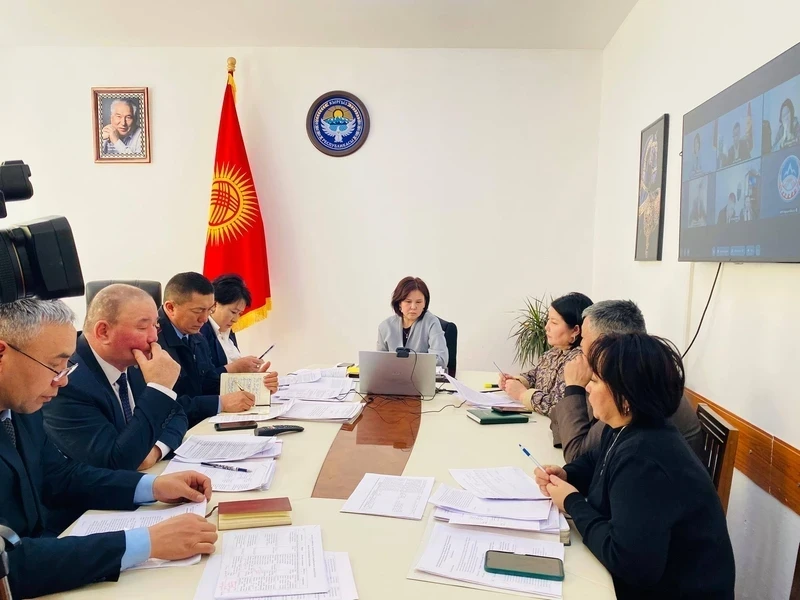
In Kyrgyzstan, a draft law is being prepared regarding the procedure for conducting family celebrations and rituals, which has been presented for public discussion by the Ministry of Culture, Information, Sports, and Youth Policy.
The aim of the changes is to regulate the conduct of celebrations and reduce unnecessary expenses, taking into account the economic situation of citizens.
According to the draft document "On Measures to Regulate Family Celebrations and Memorial Rites," its provisions apply to events such as weddings, bride send-offs, childbirth, religious rituals (e.g., Hajj and Umrah), as well as funerals and memorials (after three, seven, forty days, and anniversaries).
For weddings, the following recommendations are proposed:
- avoid debts and loans when organizing the celebration, based on the family's actual financial capabilities;
- limit the number of guests to 200;
- hold the wedding within one day;
- do not allow participation of more than 350 people;
- limit the slaughter of livestock to one head of cattle or one horse;
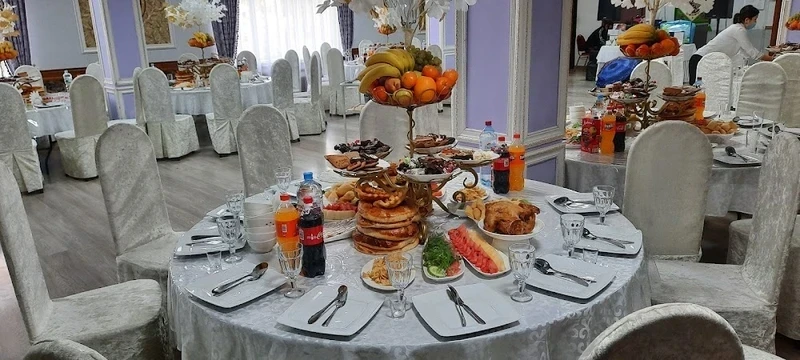
- avoid excessive food preparation.
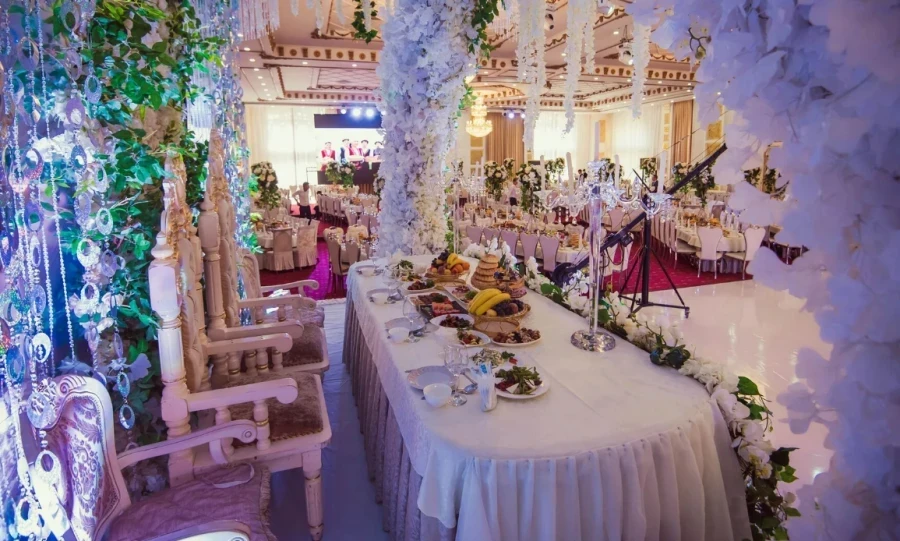
There are also restrictions on wedding processions, which should not exceed three cars, as well as fireworks and excessive entertainment programs. Coercion to give expensive gifts, demonstration of wealth, and competition are also not allowed.
The draft proposes to abandon unnecessary traditions, such as "kiyit kiygizüü" (gifting clothing), "sebet berüü" (gifting baskets with treats), and "tushtönüü" (organizing lunches), and instead promote the principle "A modest wedding is a blessed wedding."
It is recommended to conduct the bride send-off (kız uzatuu toyu) with an emphasis on family and spiritual values, in a more restrained format.
Regarding funerals and memorial events, the following recommendations are proposed:
- do not conduct livestock slaughter on the day of the funeral;
- hold the anniversary of the memorial on a voluntary basis;
- limit the number of invitees to close relatives;
- at subsequent memorials, the slaughter of small livestock or one head of cattle or one horse is allowed;
- organize a modest table, adhering to sanitary norms;
- encourage charity instead of lavish memorials.
In addition, the project defines the powers of local administrations and local self-government bodies, which should engage in explanatory work with the population, reduce public pressure, and promote examples of simple celebrations through mass media and social networks.
Organizers, such as banquet hall owners and toastmasters, will be required to follow the new requirements and not impose services that may lead to excessive expenses.
Violations will result in liability.
Photo www