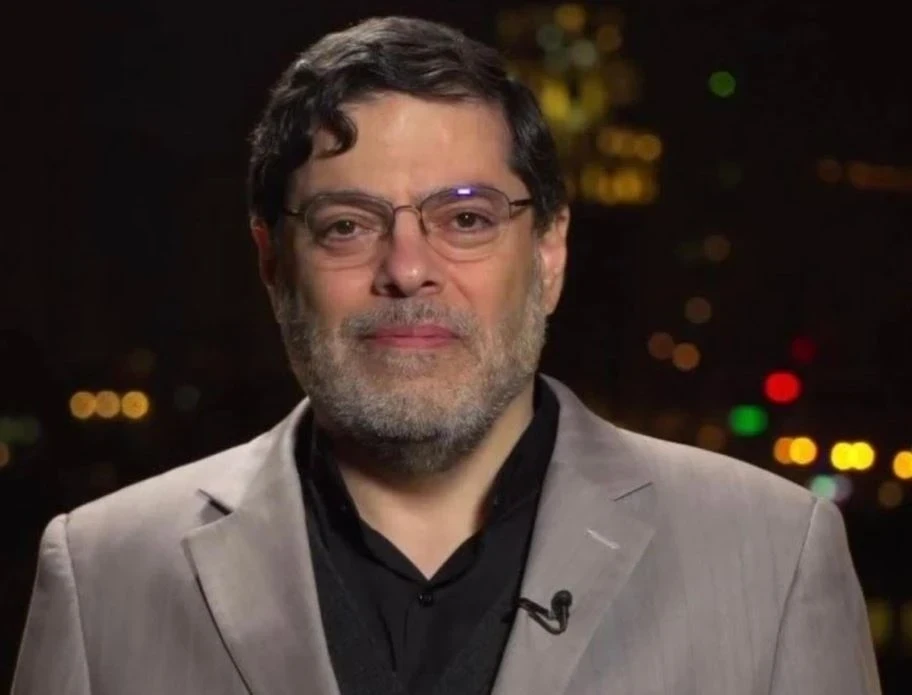
In a conversation with journalists, Professor Seyed Mohammad Marandi from Tehran University characterized the current events in Iran as part of a familiar scenario, where external pressure and attempts at destabilization play a key role. He noted that Western countries have been predicting the "fall of the regime" for many years, and these forecasts periodically resurface, although, in his opinion, they always turn out to be false. Marandi asserts that "the state is supported by the majority," and that statements about the inevitable collapse are based not on facts, but on expectations.
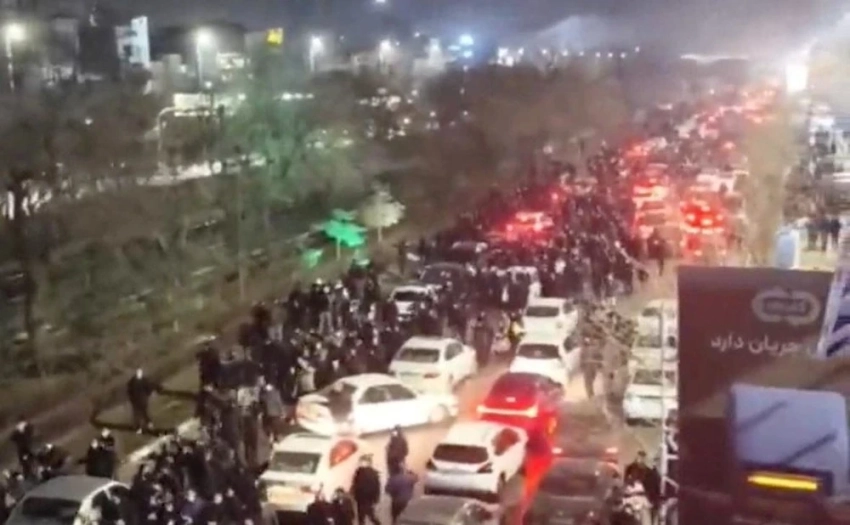
Discussing recent events, Marandi links the sharp decline in the Iranian currency to external factors and pressure on the financial systems through which Iran conducts currency operations. This, he says, has provoked economic discontent among businessmen and led to peaceful protests in Tehran and other cities, where the participants were mainly shop owners and traders concerned about rising prices.
However, as the professor claims, these protests were "infiltrated by well-organized groups" that began to provoke violence. He reports numerous injuries among law enforcement officers, as well as cases of murders and arson of state and private properties. These acts of violence, he says, were accompanied by a targeted information campaign in Persian, funded from abroad to the tune of billions of dollars annually.
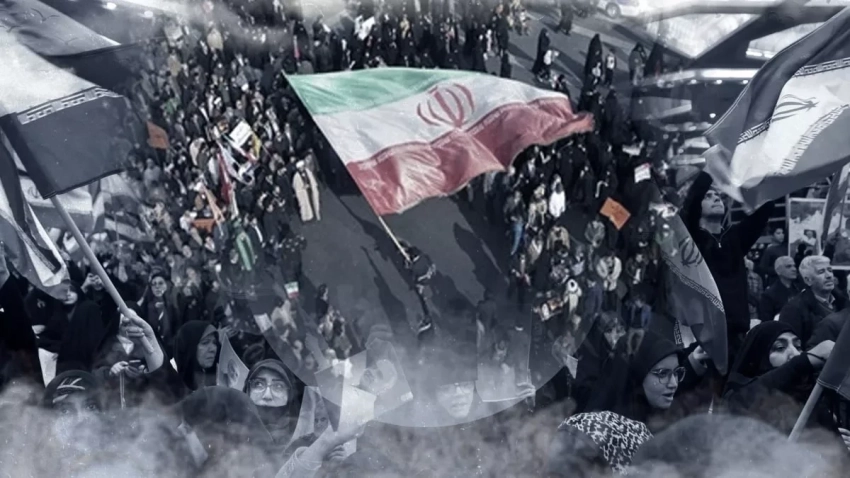
Marandi also emphasizes that in response to attempts to escalate the situation, mass demonstrations in support of the state and against violent groups took place. He claims that these actions covered all major cities and became some of the most significant in Tehran in recent years. The professor calls for attention to video recordings and real events, rather than media interpretations.
Separately, he discusses the issue of foreign interference, referring to statements by Mike Pompeo and some Persian-language accounts that, according to him, directly indicate the involvement of foreign entities. Marandi asserts that various radical groups participated in the actions—from Islamists to monarchists—and this coordination led to a temporary internet shutdown in the country.
In the context of foreign policy, Marandi criticizes Donald Trump's statements about the situation in Iran, emphasizing that they often do not correspond to reality. He highlights that no city was captured by protesters, as Trump claimed, and believes that such statements reflect a distortion of real events.
In a broader sense, Marandi links the pressure on Iran to the interests of its opponents in the region and the political actions of the United States over the past decades. He believes that attempts to create vulnerabilities within the country through sanctions, information campaigns, and support for specific groups are cyclical in nature and are accompanied by a distortion of the media representation of what is happening.