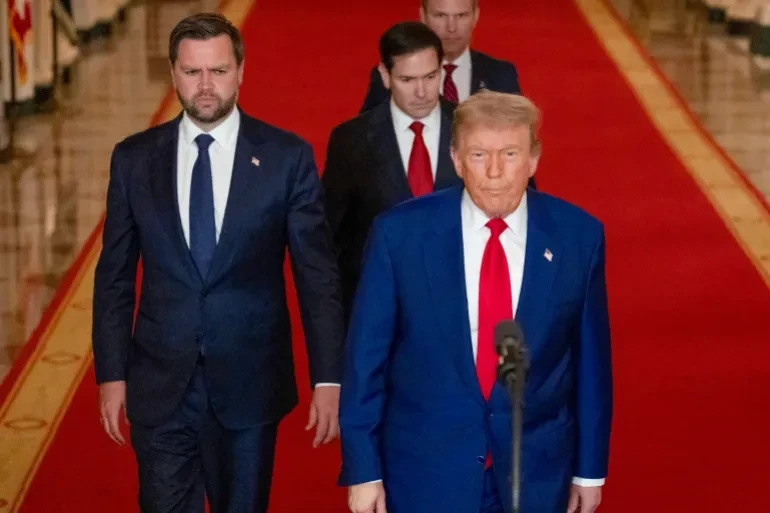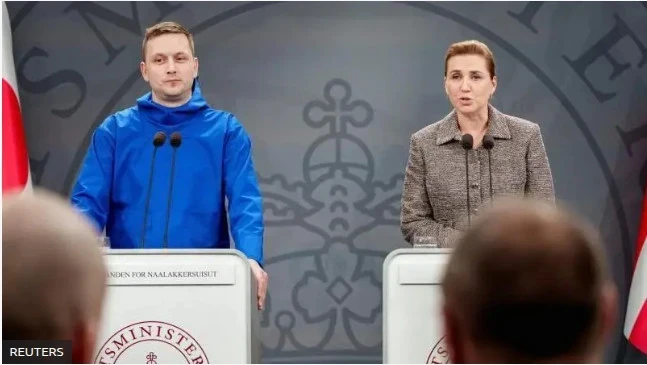
On Wednesday, January 14, a meeting took place in Washington, attended by Danish Foreign Minister Lars Løkke Rasmussen, U.S. Vice President J.D. Vance, and Secretary of State Marco Rubio. Following the negotiations, Rasmussen noted that Denmark and the U.S. have "radically different positions" on the issue of Greenland. In this regard, it was decided to create a high-level working group to explore ways to reach a compromise.
Minister Rasmussen also emphasized the need for cooperation based on mutual respect to take into account both the national security interests of the United States and Denmark's "red lines." The first meeting of the new working group is expected to take place in the coming weeks.
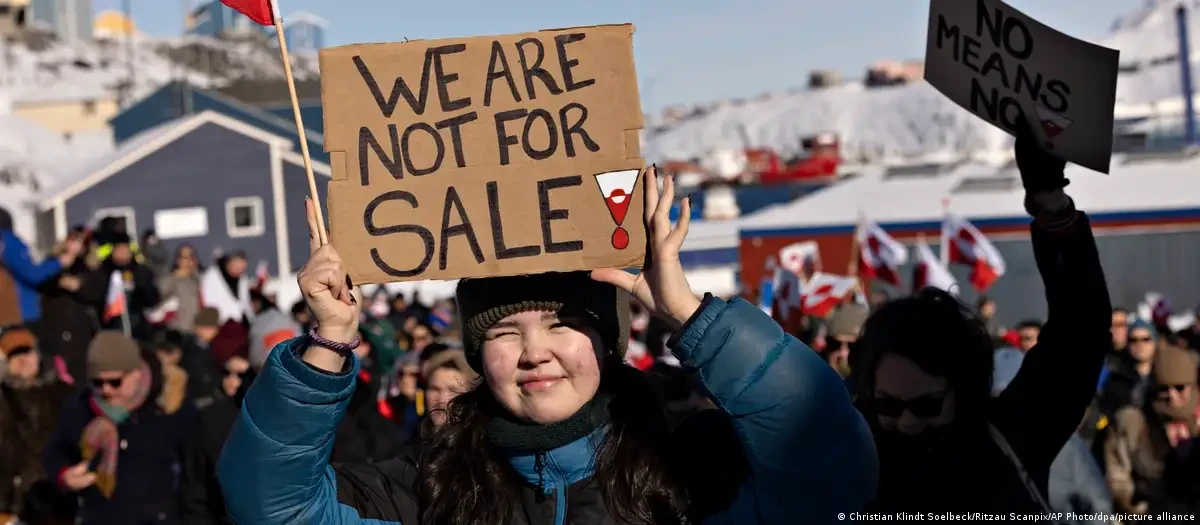
Greenland, represented by Foreign Minister Vivian Motfeldt, expressed a desire to develop relations with the U.S. but does not support the idea of transferring its territory under American control.
The negotiations took place in a government building near the White House and lasted about an hour. According to the dpa agency, before the meeting, U.S. President Donald Trump stated that he does not intend to abandon his demands.
Trump considers Greenland a key element of U.S. security, especially in light of the operation of the "Iron Dome" air defense system and the increased activity of Russia and China in the Arctic region.
Previously, the American leader claimed that Washington should gain control over Greenland, which is an autonomous part of Denmark, "one way or another." According to information from the White House, a possible option for Donald Trump as Commander-in-Chief is to use military forces to annex the territory.
This week, Germany may send its first military personnel to Greenland. Sources from BILD in Germany and Scandinavian countries reported on the preparation of a small advance unit of the Bundeswehr. Official representatives of the German Ministry of Defense have not yet confirmed or denied this information. According to BILD, the deployment could take place as early as January 15.
Although the expansion of military presence in Greenland is framed as an initiative of European NATO countries, coordination, as BILD has learned, is being carried out through Copenhagen rather than through alliance structures. This is due to the desire to conduct the mission without U.S. involvement, as the northern NATO countries fall under the alliance's command in Norfolk.
Denmark has already announced plans to increase its military contingent in Greenland, and other European allies are expected to join. Germany, in particular, is considering sending specialized mountain infantry units, naval forces, and air force.
Swedish Prime Minister Ulf Kristersson also reported that Swedish officers have already arrived in Greenland to participate in the preparation of Danish exercises "Arctic Resilience."
Earlier, German Defense Minister Boris Pistorius, in an article for Die Zeit, called on NATO countries to jointly defend Greenland and the Arctic from the influence of Russia and China, emphasizing that unilateral actions by the U.S. could undermine the foundations of the alliance.