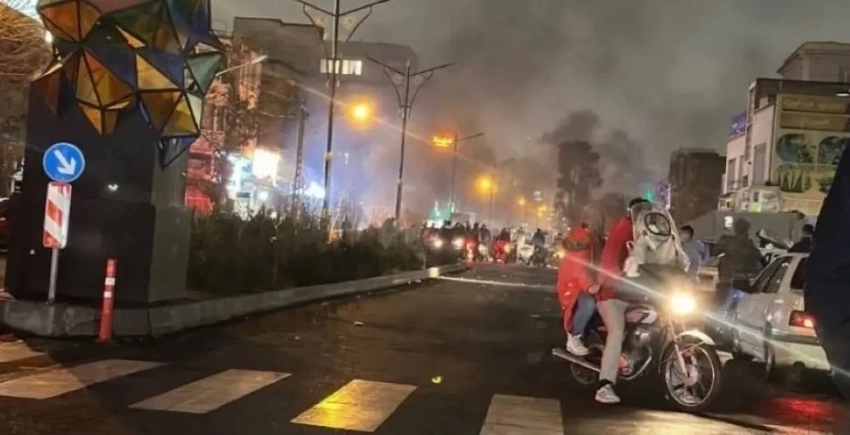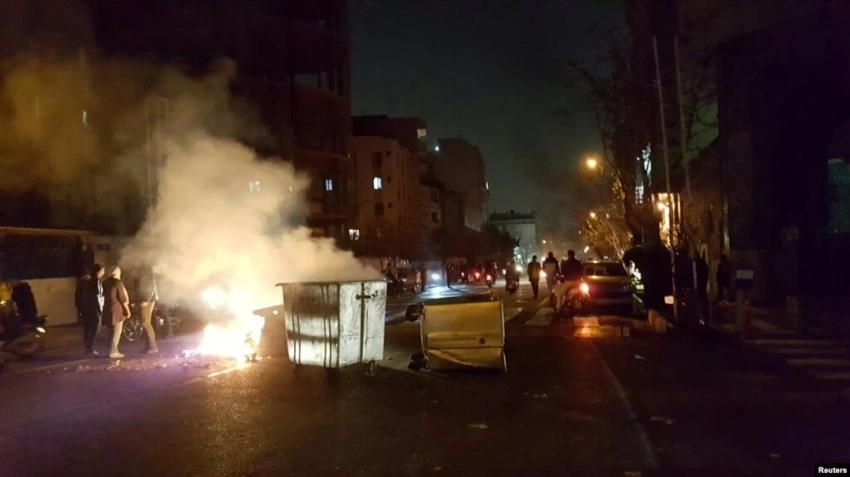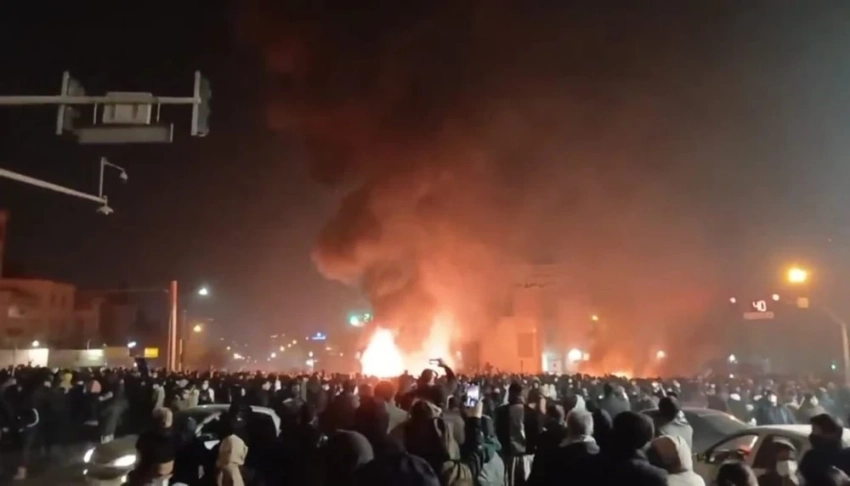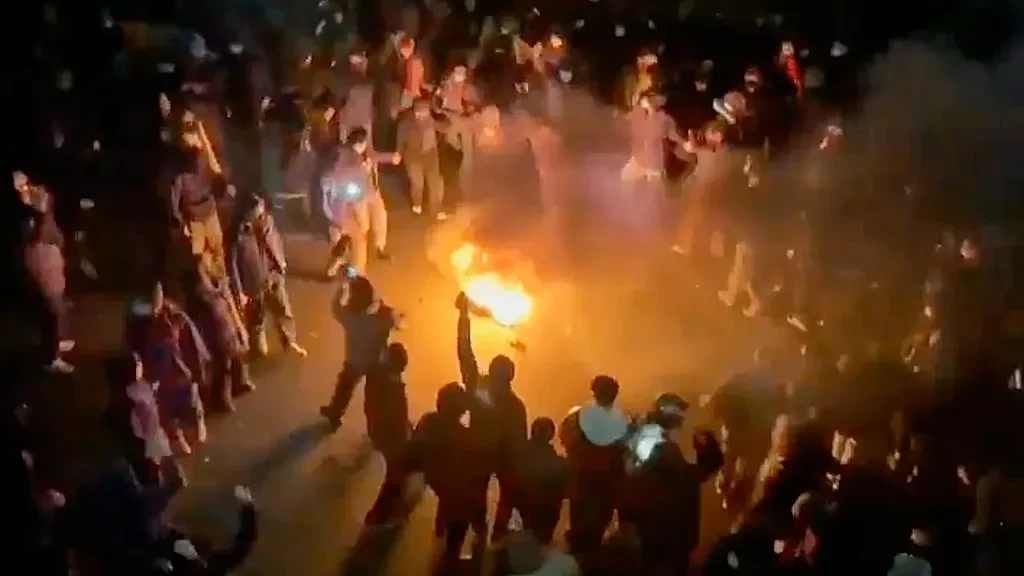
On Monday, following the start of protests, the wave of condemnation from Western countries increased. The organization Iran Human Rights (IHR), based in Norway, reported that at least 648 demonstrators had been killed as a result of security forces' actions during the suppression of the protests, and the actual number of casualties could be significantly higher.
Western Condemnation
French President Emmanuel Macron condemned the "state violence" against Iranian protesters, stating: "I condemn the violence directed against Iranian women and men who bravely demand respect for their rights. Respect for fundamental freedoms is a universal demand." German Chancellor Friedrich Merz also condemned the use of brutal violence against demonstrators, noting that it reflects the regime's weakness.
A representative of the German Foreign Ministry confirmed that Germany continues to push for the inclusion of the Islamic Revolutionary Guard Corps in the EU's list of terrorist sanctions. UK Foreign Secretary Yvette Cooper called for an end to the brutal repression by Iranian authorities, emphasizing that the killing of peaceful protesters is horrific.
The EU is also considering the possibility of imposing additional sanctions in response to the violence against protesters, as stated by EU representative Anwar El-Anoumi.
The protests began on December 28, when the Iranian currency rial reached a record low, leading to the closure of the bazaar in Tehran. Soon, the protests spread to other regions, and demonstrators began demanding a regime change, marking one of the most significant challenges to the theocracy since the Islamic Revolution of 1979. Some protesters chanted slogans against the authorities and burned images of Ayatollah Khamenei. Immediately after the protests began, internet access and phone lines were restricted, which was seen as interference by the Iranian government.
Support for the Authorities
In an effort to regain control of the situation, the government organized nationwide rallies in support of the Islamic Republic. Thousands of people gathered in Revolution Square in Tehran, carrying national flags and reciting prayers for the victims of the "unrest."
Ayatollah Khamenei praised these pro-government actions, calling them a "warning" to the United States. He noted that this message to American politicians should stop their attempts to manipulate using "treacherous mercenaries." Parliament Speaker Mohammad Bagher Ghalibaf characterized the protests as a "war against terrorists," emphasizing that Iran is waging a "war on four fronts." He assured that the Iranian nation would never allow the enemy to achieve its goals.
Amid rising tensions, Trump hinted at the possibility of military intervention in response to Iran's actions and announced a 25% tariff on operations with Iran for countries cooperating with Tehran.
Iran also announced the confiscation of property from participants in the unrest and that they would have to compensate for the damage caused. In the event of military actions by the US, the parliament speaker stated that Iran would consider not only American facilities but also Israel as legitimate targets.