The political situation last week developed rapidly, leaving parliament deputies bewildered. The dismissal of the head of the State National Security Committee and the resignation of the Speaker of the Jogorku Kenesh became alarming signals for society, and the flow of contradictory news on social media only exacerbated the confusion.
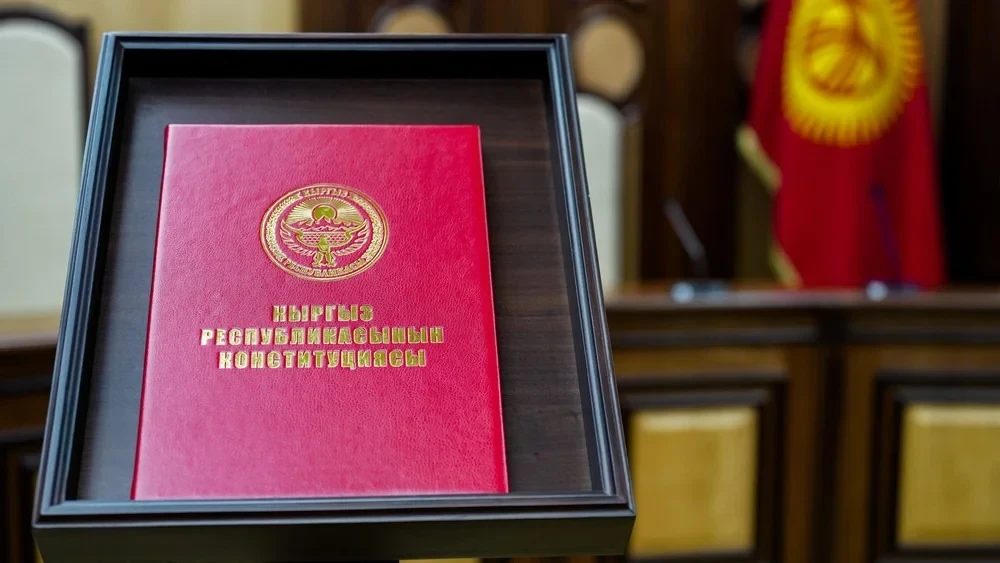
The initiators of the crisis were 75 well-known figures who began actively calling for presidential elections in Kyrgyzstan. They proposed alternative interpretations of constitutional norms, hinting that the legitimacy of power might be at risk due to disagreements over the presidential term limits.
The intrigue intensified when it became clear that the group dubbed "shot down pilots," thanks to Edil Baisalov, was acting under the patronage of Kamchybek Tashiev. In his name, they urged politicians and public figures to sign a petition regarding the choice of side. This caused an uproar among the elites and the population, which could have led to serious consequences if the State National Security Committee had not taken any action.
In such an environment, the president had to act to prevent a split in society and reduce tension. This led to personnel reshuffles at high levels, which initially puzzled the population.
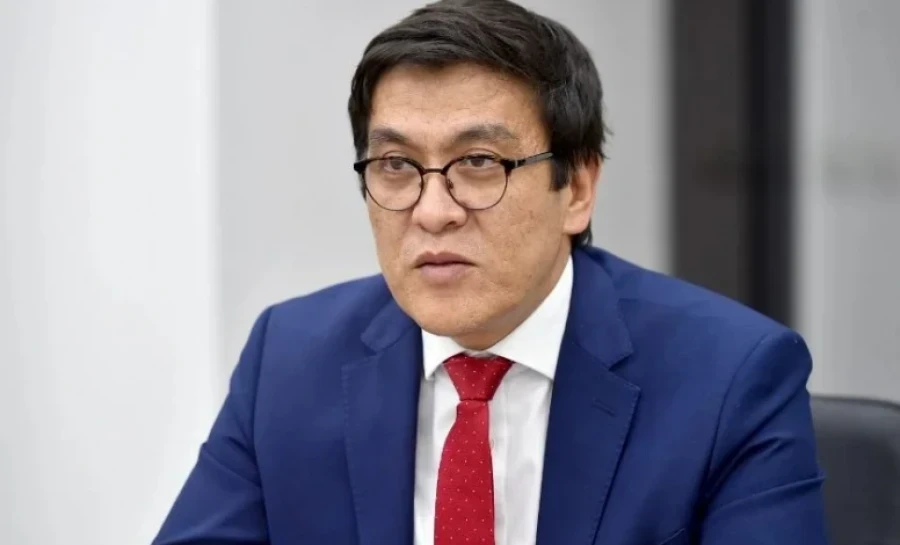
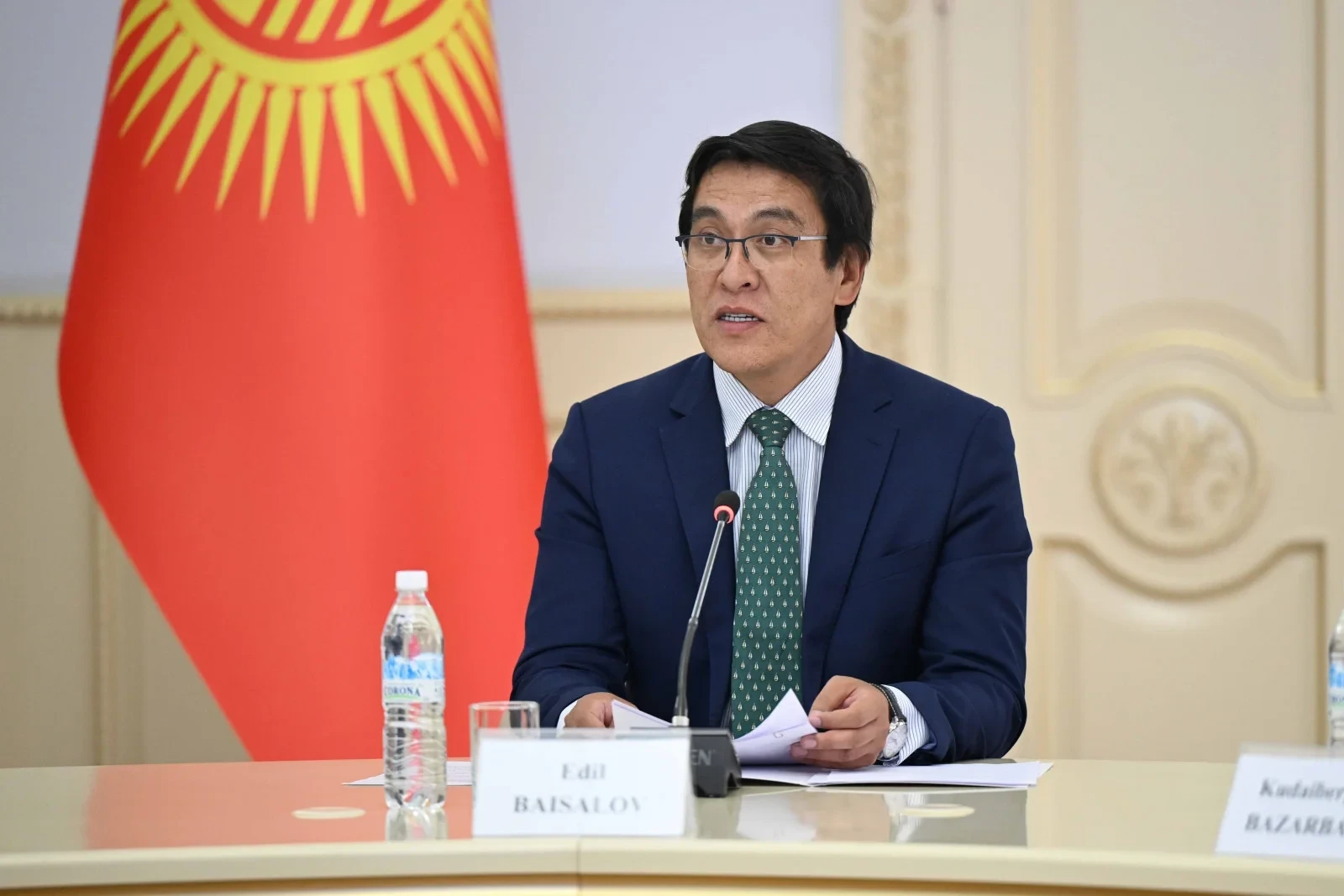
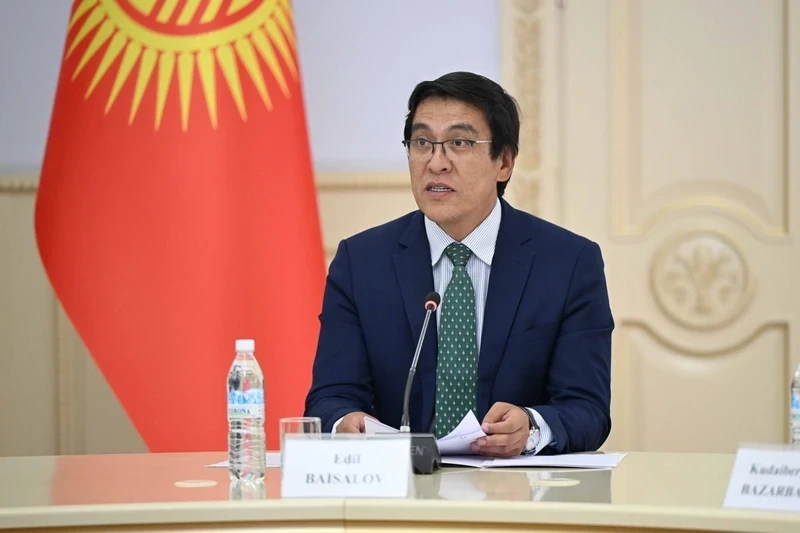
Vice Prime Minister Edil Baisalov tried to clarify the situation: "Some irresponsible individuals, hiding behind the name of the people's general, began to spread rumors about a possible change of power and the legitimacy of power, creating an atmosphere of uncertainty."
He also noted that there are no legal grounds for early elections, and the disagreements regarding the Constitution are contrived. Numerous experts agree with this viewpoint.
It is important to understand that during such times, the election campaign distracts the attention of society and political elites, while external projects, such as international infrastructure initiatives, remain stagnant. "Who needs elections now if the country is on the rise?" experts question.
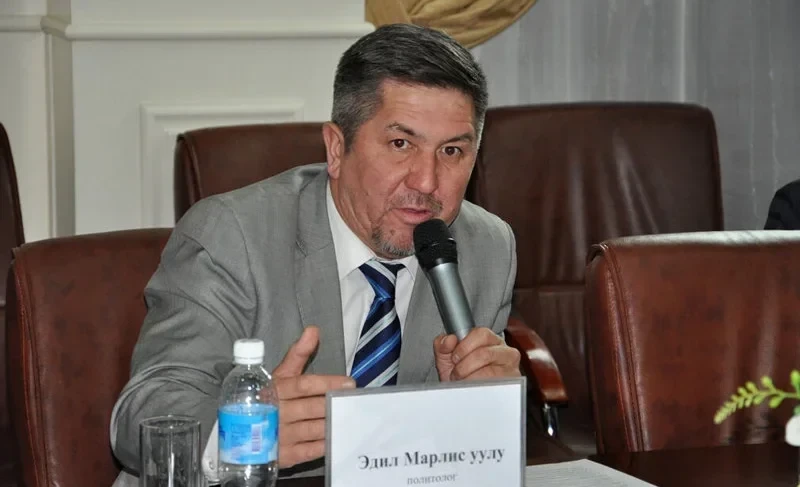
Political scientist Edil Marlis uulu believes that artificially created disputes over the presidential term limits could become a trigger for destabilization. "Different forces, both internal and external, can take advantage of the situation for their own purposes," he emphasizes.
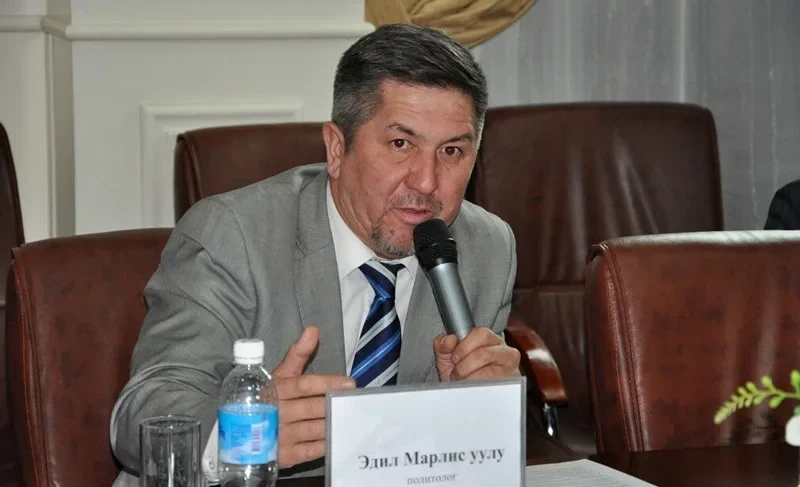
"The people must realize the importance of stability and not allow various groups to rock the boat," adds Edil Marlis uulu.
Experts also note that the "75 signatories" initially did not plan to engage in constructive dialogue, and their actions became a challenge to the president. In response, the president turned to the Constitutional Court, bringing the issue of the election timeline into the legal realm.
Political scientist Bakytbek Jumagulov emphasizes the importance of resolving the situation within the legal framework, rather than through pressure or political manipulation. "The Constitutional Court must provide a final decision on this matter," he says.
The sooner a clear and legally justified explanation is provided, the less likely it is that the issue will become a tool for politicizing the situation during the pre-election period.
The Constitutional Court's conclusion on President Sadyr Japarov's petition is expected on February 17, and this verdict will be final regarding the election timeline in Kyrgyzstan.
Meanwhile, the most active participants among the 75 activists are giving testimonies to determine who could unite this diverse group and what their motives were. Given that the Ministry of Internal Affairs has initiated a criminal case under the article "Mass Riots," the results of the investigation will be awaited with interest.