Cuba has once again experienced a large-scale power outage, marking the second such incident in a week.
According to information published on social media by the country's Ministry of Energy, a complete shutdown of the National Electric System occurred at 6:32 PM (local time) on Saturday, March 21. The ministry reported that work has begun to restore electricity supply.
Cuban Prime Minister Manuel Marrero Cruz confirmed that restoration efforts are being carried out under difficult conditions, and the entire country, with a population of nearly 10 million, is once again without power. Earlier, the state energy company predicted a power deficit of 1.7 MW during peak evening hours.
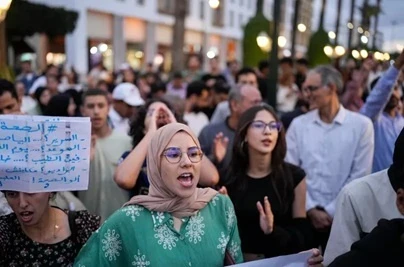
The first outage occurred on Monday, March 16, when, according to the power grid operator UNE, island residents also found themselves without electricity. According to Reuters, power outages in Cuba have become regular, and in some cases, people have been left without electricity for several days. Protests took place over the weekend of March 14 and 15, which in some areas escalated into riots, including an attack on the headquarters of the Communist Party in Morón.
Systematic outages and fuel shortages are worsening the already difficult living conditions for Cubans, who have been struggling for a long time. Food supplies are spoiling in refrigerators, communication and internet access are becoming unavailable. Hospitals are forced to limit their services, and classes in educational institutions are being canceled. Amid a lack of fuel for garbage collection, the streets are filling with waste.
The crisis in Cuba's economy and energy sector has been exacerbated by the oil blockade imposed by the United States. Power supply is primarily provided by outdated oil power plants. Previously, Venezuela was the main supplier of oil to Cuba, but after recent U.S. attacks on that country and attempts to overthrow President Nicolás Maduro, supplies have ceased.
Additionally, Washington threatens increased tariffs for countries that supply oil to Cuba. U.S. President Donald Trump previously stated that Cuba would be the next priority after the conflict with Iran and the overthrow of Maduro. In an interview published on March 16 in The New York Times, he expressed confidence that he could "take Cuba," referring to liberating the country and having the ability to do anything with it, emphasizing its weakened state.
Cuban President Miguel Díaz-Canel condemned U.S. actions in early February, calling them "fascist and genocidal." Nevertheless, on March 13, he announced the start of official negotiations with the U.S., for the first time acknowledging the need for dialogue amid the worsening energy crisis.