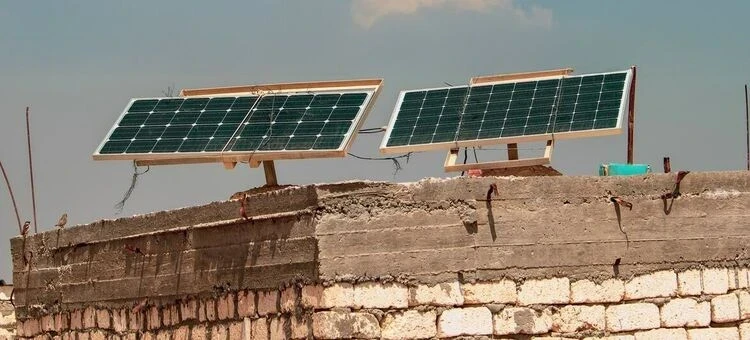
Many developing countries still heavily rely on polluting fossil fuel energy sources in their daily lives, exacerbating the poverty of their populations. Approximately 1.5 billion people in rural areas continue to use dangerous and inefficient cooking methods, such as burning wood or dung.
These practices lead to 3.2 million premature deaths each year.In connection with the International Day of Clean Energy, which took place on January 26, UN Secretary-General António Guterres called for accelerating the global transition to clean energy.
According to reports, the installed capacity of renewable energy per capita continues to grow, reaching a record in developing countries – 341 watts per person, significantly up from 155 watts in 2015.
“The world is changing, but we must act faster,” Guterres noted in his address, emphasizing that the task of the international community is to minimize the impacts of temperature rise above 1.5 degrees Celsius through a fair and organized phase-out of fossil fuels.
In many regions of the world, renewable energy is becoming the most accessible. Last year, for the first time in history, wind, solar, and other green energy produced more electricity than coal.
Guterres also pointed out that clean energy not only helps in combating climate change but also promotes economic development: it provides access to electricity for those who lack it, offers safer cooking methods, improves public health, creates jobs, and reduces dependence on economic instability and geopolitical conflicts in the energy sector.
However, Guterres emphasized the need to accelerate the pace of the transition. Energy networks are not keeping up with the growth of renewable energy capacities, and high financial costs continue to leave many developing countries behind.
The Secretary-General called for tripling renewable energy capacities by 2030, removing administrative and financial barriers, and ensuring access to clean energy for populations and businesses. He also highlighted the importance of modernizing energy networks, developing energy storage systems, and diversifying supplies of critically important minerals.
Guterres advised the financial sector to lower the cost of capital for developing countries, while multilateral banks should support reducing risks and attracting private investments.
“Clean energy is the future that is already on the horizon. Let’s seize this moment and spread the renewable energy revolution to every corner of the planet,” Guterres concluded.Photo on the main page is illustrative: UNDP.