
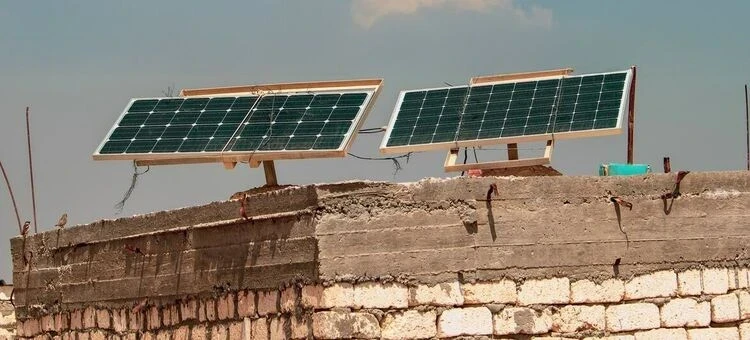
According to information from the UN News Service, over 75% of global greenhouse gas emissions are caused by the burning of fossil fuels for energy.
The lack of reliable and environmentally friendly energy sources hinders development in crucial areas such as education, healthcare, and the economy, experts claim.
Many developing countries continue to heavily rely on polluting types of fossil fuels in their daily lives, exacerbating the plight of their populations. It is estimated that around 1.5 billion people in rural areas still use unsafe and harmful methods of cooking, including burning wood and dung.
This leads to 3.2 million premature deaths annually.
The UN Secretary-General António Guterres has called on states to accelerate the transition to sustainable energy sources. He noted that renewable energy sources are becoming key in transforming the energy landscape. Last year, for the first time in history, wind and solar energy produced more electricity than coal and are already the most cost-effective sources of energy in many regions.
According to Guterres, clean energy not only helps combat climate change but also promotes socio-economic development by providing access to electricity for those in need, offering safer cooking methods, improving health and education, creating jobs, and reducing dependence on political and price fluctuations in the fuel market.
According to the UN, every dollar invested in renewable energy creates three times more jobs than similar investments in fossil fuels.
However, as the UN Secretary-General noted, the pace of the transition needs to be significantly increased. Energy networks are not keeping up with the growth of renewable energy capacities, and high financial costs continue to leave many developing countries on the sidelines.
Guterres urged to double or even triple renewable energy capacities by 2030, removing administrative and financial barriers to ensure access to clean energy for the population and businesses. He emphasized the need to modernize energy grids, develop energy storage systems, and diversify supplies, especially in the area of critical minerals.
The Secretary-General stresses that special attention must be paid to the just transition, including protecting workers' rights, supporting local communities, education, and creating new economic opportunities.


