According to Zhazarevich, a key risk factor for the spread of the Nipah virus is its reservoir in the bat population, particularly in certain regions of India and Bangladesh, including West Bengal. He emphasized the need to raise public awareness about the risks associated, in particular, with the consumption of palm sap.
Rospotrebnadzor is closely monitoring the situation with the Nipah virus in India. As reported on January 25, no cases of infection have been registered in Russia.
The Nipah virus is a dangerous pathogen with neither a vaccine nor effective treatment. It was first identified in 1999 in Malaysia among pig farmers. The WHO classifies this virus as a high-risk pathogen, with a fatality rate of 40 to 75%.
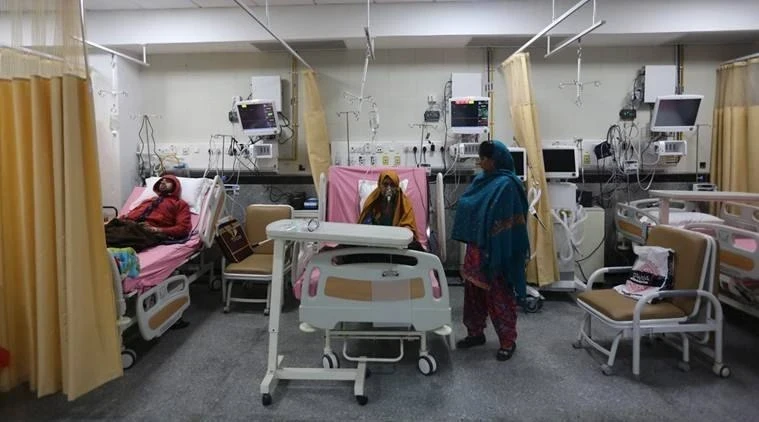
Recently, according to information from The Economic Times, an outbreak of the Nipah virus was registered in the Indian state of West Bengal, where five cases of infection were confirmed. Three of them were identified last week, among the infected are a medical worker, a nurse, and another healthcare employee. About a hundred people who had contact with the infected have been placed in quarantine.
The first cases in this outbreak were registered immediately after the New Year holidays among two nurses, one of whom is currently in a coma. It is believed that the source of infection was a patient who died before laboratory tests could be conducted.