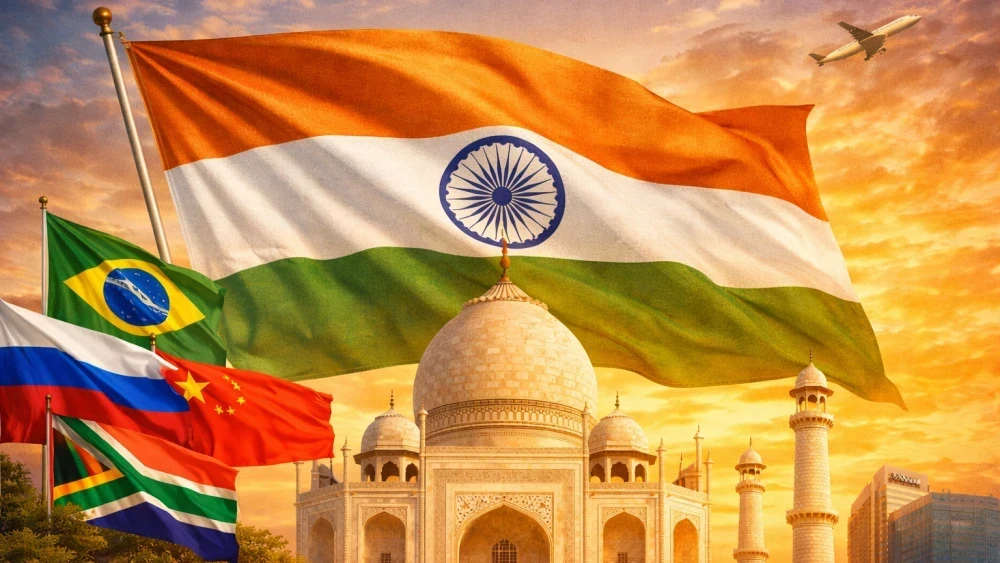
In 2026, India will assume the presidency of BRICS at a time when international multilateral diplomacy is facing a serious crisis, similar to what was observed after the end of the Cold War. Experts published in IOL discussed why this presidency is critically important.
Challenges of Multilateralism and U.S. Policy
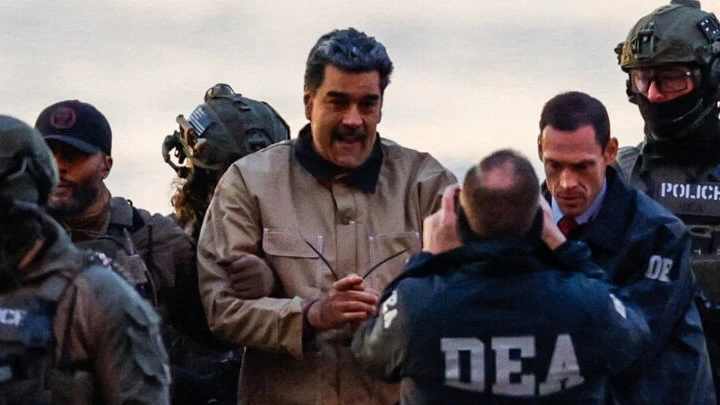
With the start of the new year, the world witnessed a series of sharp foreign policy actions by President Donald Trump's administration that call into question the stability of international norms and principles of sovereignty.On January 3, American military forces conducted an operation in Caracas, capturing Venezuelan President Nicolás Maduro and his wife Cilia Flores on charges of drug terrorism. Shortly thereafter, statements were made about long-term U.S. control over the Venezuelan oil industry. Just days before this, on Christmas 2025, the U.S. carried out airstrikes against alleged ISIS camps in Nigeria's Sokoto state, justifying these actions as necessary to protect Christians from terrorists.
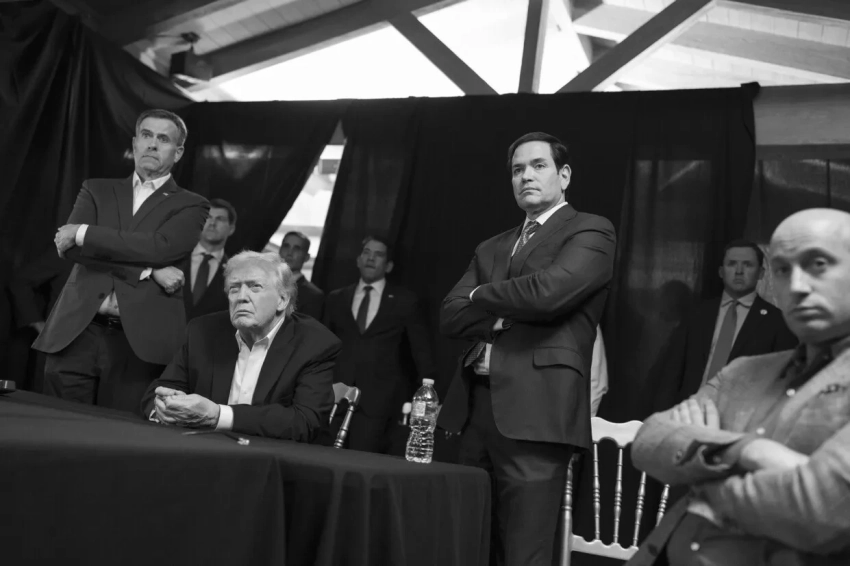
At the same time, the White House raised the issue of "acquiring" Greenland again, citing national security considerations and the strategic significance of resource security in the Arctic. This caused tensions in relations with Denmark, a U.S. ally in NATO, and even led to threats of military intervention. In this situation, many countries of the Global South are beginning to actively seek alternative international platforms that can protect international law and sovereignty.
An Indian Analyst's View on Trump's "Imperial Turn"
Indian columnist T.K. Arun offers a conceptual framework for analyzing the ongoing changes. In his articles from late 2025, he describes Trump's foreign policy as a return to the logic of 19th-century imperialism.Arun compares the current situation to the era of President William McKinley and argues that the U.S. course undermines the post-war international order built on treaties, sovereignty, and multilateral institutions. In his view, this order is being replaced by a model of dominance based on transactional relationships, where the emphasis is on the use of force, economic pressure, and control over resources.
Venezuela as an Example of New Power
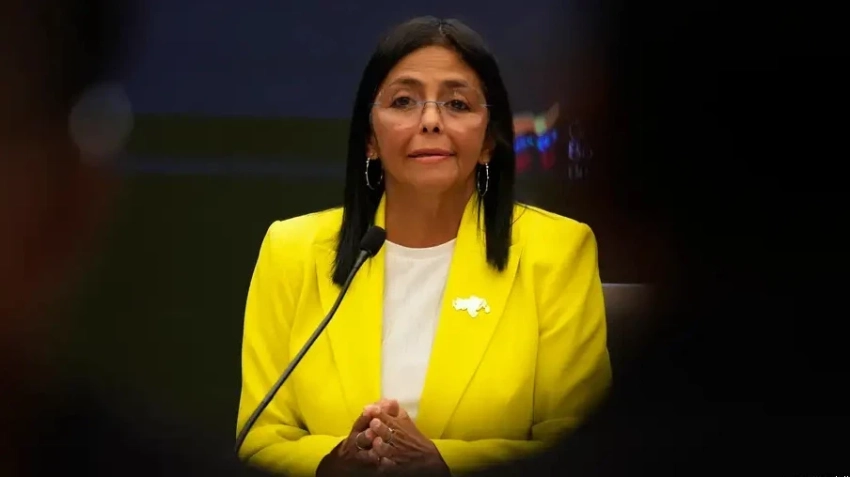
This new logic, according to Arun, is vividly manifested in Venezuela. The operation in Caracas, although presented as a fight against drugs, actually led to the establishment of American control over the country's oil exports, illustrating a new "imperial" approach where legal formulations mask strategic and economic goals.Arun also emphasizes the use of economic coercion: threats of tariffs up to 500% against countries purchasing Russian oil turn international trade into a tool of political control.
Africa and the Arctic: New Zones of Pressure
Strikes in Nigeria, although coordinated with local authorities, sparked discussions about sovereignty and concerns regarding the expansion of American military presence in Africa under the pretext of fighting terrorism. The rhetoric surrounding Greenland, according to Arun, could also undermine trust within NATO if the sovereignty of allies is viewed as a variable depending on U.S. strategic interests.Warnings from the Indian Analyst
The events of January 2026 confirmed the concerns of the Indian analyst. Despite the "tactical success" of the operation in Venezuela and the arrest of Maduro, bipartisan initiatives began in the U.S. Senate to limit the president's military powers. Strikes in Nigeria led to the elimination of terrorists but simultaneously intensified debates about the permissible limits of foreign intervention. In Europe, statements about Greenland sparked a wave of solidarity with Denmark and discussions about a possible crisis within NATO.The Paradox of the Global South
Countries of the Global South face a paradox: Trump's arguments about fighting corruption, terrorism, and crime may seem appealing to states with unstable institutions. In such conditions, harsh external intervention is sometimes perceived as a "necessary reboot."Nevertheless, Arun emphasizes that such logic is dangerous: undermining the sovereignty of some states destroys the very system of international guarantees on which all ultimately depend, especially small and medium-sized states.
India and BRICS: The Opportunity for Alternative Leadership
Arun's main conclusion is that India must take on the role of one of the main defenders of a rules-based world order, even despite the weakening of U.S. leadership. As the largest democracy and a country with traditions of strategic autonomy, India has unique opportunities for this role.This implies strengthening BRICS as an institution, expanding cooperation with Africa, Latin America, and other regions of the Global South, as well as working to overcome social and religious divides within the country. This approach is supported by other Indian experts who call for diversifying external ties and reducing dependence on unpredictable U.S. policies.
Diplomacy at a Crossroads
The beginning of Trump's second term presents world diplomacy with a complex choice: how to defend sovereignty and multilateral norms when a superpower increasingly acts unilaterally, justifying its actions with security and counter-terrorism considerations while pursuing clear strategic and resource gains.Operations in Venezuela, Nigeria, and pressure surrounding Greenland illustrate this new reality.BRICS+ countries, Global South states, and small powers face a dilemma: to condemn the erosion of international law, considering the real balance of power. In the Trump era, diplomacy risks becoming mere bargaining, where power prevails over multilateral institutions.
Choosing Principles
For Africa and other vulnerable regions, an important response remains internal reforms, fighting corruption, and strengthening social cohesion to reduce the risks of external pressure under noble pretenses.In conditions of global instability, ethical and principled leadership becomes particularly significant. As T.K. Arun emphasizes, to survive in the new world, it is essential not to submit to power but to jointly defend the norms that ensure human dignity, sovereignty, and equal conditions for all.