
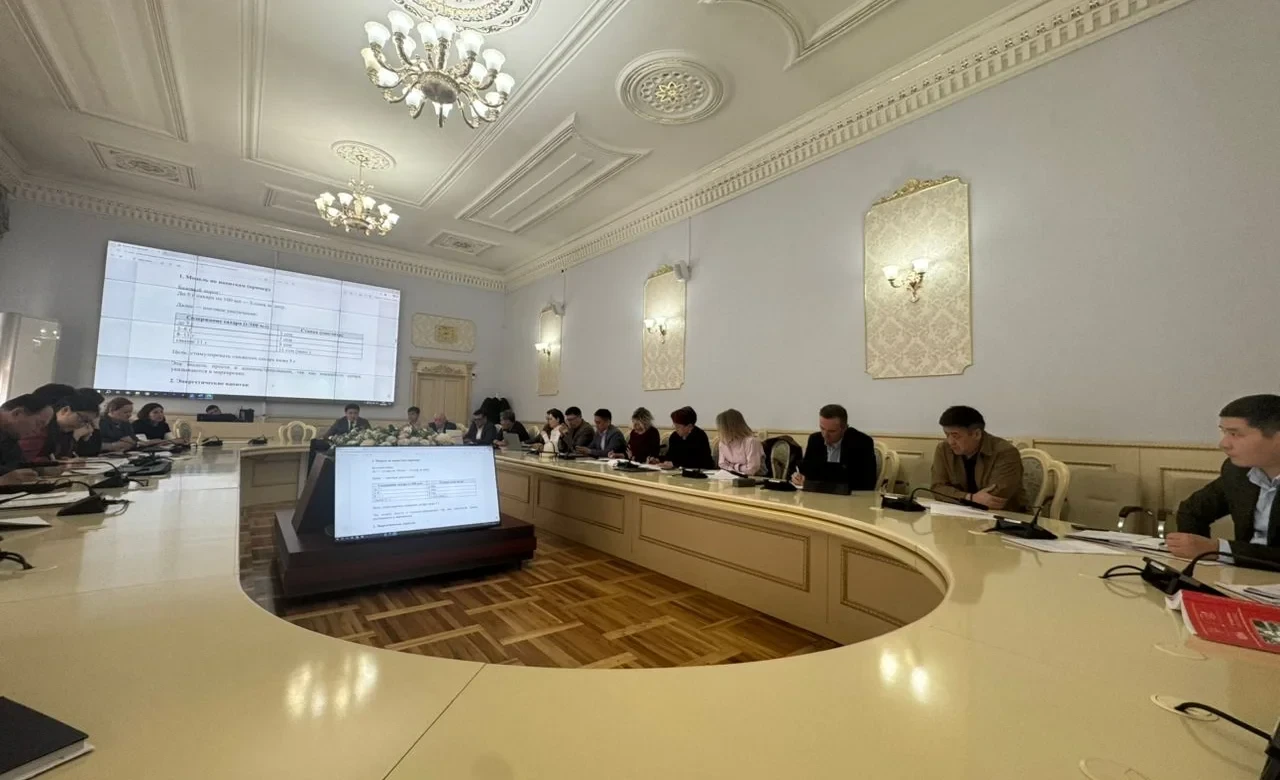
A meeting was held in Bishkek to discuss improvements in excise regulation for certain categories of products that negatively affect the health of citizens.
According to the press service of the Ministry of Health of Kyrgyzstan, representatives from various ministries participated in the event, including the Ministry of Economy and Commerce, the Ministry of Finance, the State Tax Service, as well as organizations such as WHO and UNICEF, and leading business associations in the country.
The meeting presented a new initiative from the Ministry of Health regarding the update of the excise regulation mechanism for sugar-containing beverages and products with high salt content.
Currently, Kyrgyzstan has an excise tax on sugar-containing beverages set at 3 soms per liter. However, this rate applies to all products in this category, regardless of sugar content, leading to drinks with varying sugar levels being taxed equally.
“Nutrition-related issues and diseases pose a serious challenge to the healthcare system. According to the National Statistical Committee data for 2023, about 9% of children in Kyrgyzstan are overweight, and 75% of children aged 6-23 months consume unhealthy products, while 78% regularly drink sweet beverages,” noted Deputy Minister of Health Temirbek Erkinov.
He stated that there are more than 84,000 registered patients with diabetes in the country, and their number increases by 5-7 thousand each year. The state's spending on hemodialysis exceeds 2 billion soms annually. Therefore, measures to reduce sugar and salt consumption are extremely important for the prevention of non-communicable diseases.
The proposed initiative includes a transition to a differentiated excise tax system, where the rate will depend on the actual sugar content in beverages.
Under this model, the following excise scale is proposed:
– up to 5 g of sugar per 100 ml – 5 soms per liter
– 5-8 g of sugar per 100 ml – 7 soms per liter
– 8-11 g of sugar per 100 ml – 9 soms per liter
– over 11 g of sugar per 100 ml – 11 soms per liter
The Ministry of Health explained that the goal of the new model is to encourage producers to reduce sugar content in their products and to change consumer habits.
In addition, it is proposed to establish a fixed excise rate on energy drinks at 20 soms per liter, considering their high concentration of sugar and caffeine, as well as their potential negative impact on the health of adolescents.
Similar measures are proposed for products with high salt content, including chips and salted crackers.
The excise rates for salty products will be as follows:
– up to 1.2 g of salt per 100 g of product – 0 soms
– 1.2-1.5 g – 5 soms per 100 g
– 1.5-2.0 g – 10 soms per 100 g
– 2.0-2.5 g – 15 soms per 100 g
– over 2.5 g – 20 soms per 100 g
During the discussions, participants considered various aspects of the proposed model, its impact on public health, and the economic consequences for producers and consumers. Business associations expressed their comments and suggestions regarding the initiative.
Government agencies emphasized that this initiative is part of a comprehensive state policy aimed at improving public health and reducing the prevalence of non-communicable diseases.
Representatives from WHO and UNICEF expressed support for the Ministry of Health's initiative aimed at reducing the consumption of products high in sugar and salt.
All revenues from excise taxes will be directed to the state budget, and the equivalent funds are expected to be used for implementing health programs, including disease prevention and treatment, as well as the development of the healthcare system.
The Ministry stated its intention to continue consultations with government agencies, businesses, and international partners to develop balanced solutions for implementing this initiative.


