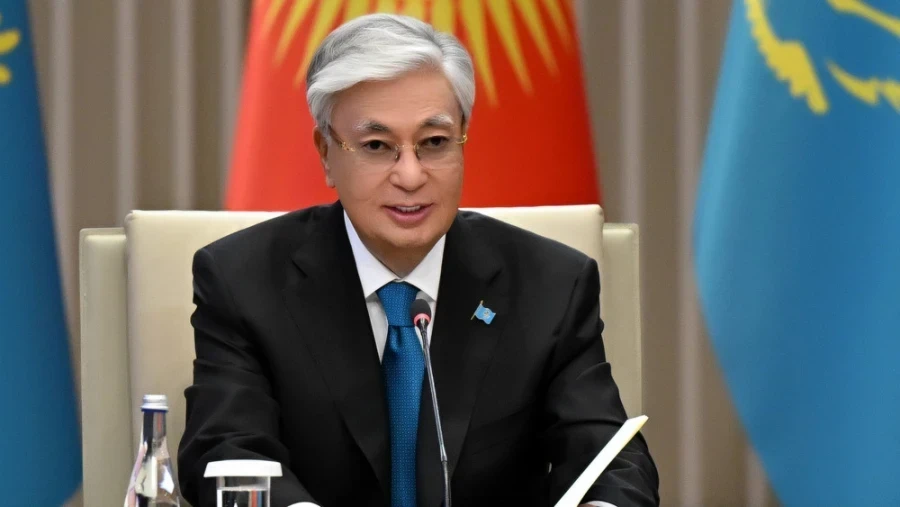
On February 17, a conversation took place between Sadyr Japarov and the President of Kazakhstan, Kassym-Jomart Tokayev. Tokayev spoke about the constitutional changes that imply long-term transformations in the country, to which Japarov expressed his support.
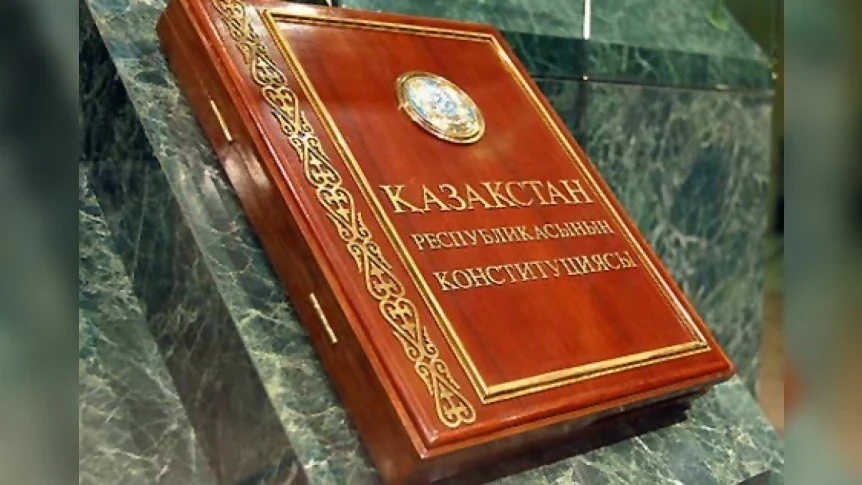
The editorial team of Kaktus.media presents the main points of the constitutional reform in Kazakhstan.
General Information
In his annual address to the people on September 8, 2025, President Kassym-Jomart Tokayev announced the need to reform the political system and transition to a unicameral parliament.On October 8, 2025, a decree was signed to create a working group that included experts, legal scholars, representatives of political parties, and citizens providing their ideas.
In January 2026, at the V session of the National Kurultai, Tokayev summarized the work of the group.
On January 21, a constitutional commission was formed.
On February 12, the text of the new Constitution was made public.
The referendum will take place on March 15.
What are the changes
The new Constitution is not just amendments but a significant overhaul of the fundamental law—over 80% of the text will be changed.According to information on the website of the Constitutional Council, the new edition "reflects the maturity of the Kazakh state, international authority, and the aspiration for progressive development." The preamble now includes the word "unified," and the concepts of "Fair Kazakhstan" and strict adherence to human rights are enshrined, along with continuity with the "millennia-old history of the Great Steppe."
The main changes include:
- Parliament structure: a unicameral body - the Kurultai, which will replace the existing bicameral parliament (Mazhilis and Senate) with 145 deputies and expanded powers, elected by a proportional system for a term of five years.
- New power system: a redistribution of powers between the president, parliament, and government is proposed to create a stable institutional model.
- Limitation of presidential terms: the president can be elected for only one seven-year term.
- Introduction of the vice president position: this post will be appointed by the president with the consent of the new parliament (Kurultai).
- Change in the status of the Russian language: instead of "on an equal basis" with Kazakh, it will be stated "alongside." This has sparked discussion, but the status of the Russian language as widely used will not remain in its previous form.
- Priority of the Constitution: the new version will have the highest legal force, including international agreements.
- New institutions: the creation of new institutions, such as the People's Council (Халық кеңесі), with the right of legislative initiative is being discussed.
- Establishment of a provision on marriage as a voluntary and equal union of a man and a woman.
Presidential Role
The president will remain the head of state and retain important powers for a term of seven years (one term).The draft Constitution proclaims the model: "Strong president - influential parliament - accountable government," where the president retains a leading role.
Official statements from the authorities emphasize that the new Constitution replaces the "super-presidential" system with a more balanced presidential republic with a strong parliament; however, many experts believe that the powers of the president may remain broad or even increase.
Reasons for Changes
Kassym-Jomart Tokayev believes that the new Constitution will give a powerful impetus to the country's development.He noted that the norms of the new draft enshrine the consistency and logic of the development of Kazakhstan's political system based on the concept of "Strong president - influential parliament - accountable government." Kazakhstan is completing the transition from a super-presidential system to a presidential republic with an authoritative parliament.
However, the process has faced criticism from human rights defenders. Human Rights Watch warns of potential risks to freedom of speech and assembly due to a number of vague formulations in the draft, which could lead to restrictions on the activities of public organizations.
History of Constitutional Changes
The Constitution of Kazakhstan has been amended twice: in 1993 and 1995. In 1995, a new edition was adopted, which was then amended six times: in 1998, 2007, 2011, 2017, 2019, and 2022. The last amendment occurred after the January protests and included 56 amendments, among which was the establishment of a seven-year term for the president and a ban on close relatives from holding government positions.When Will the New Constitution Come into Force
If the reform is approved, the new Constitution may come into force on July 1, 2026, after which the current parliament will be dissolved in accordance with the new political order.