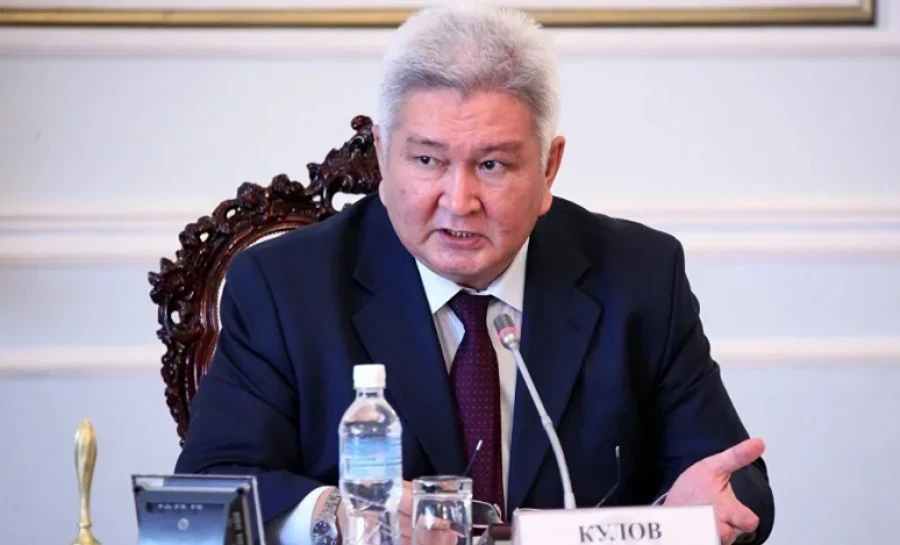
Photo from the internet. Felix Kulov
Kulov noted that the removal of Kamchybek Tashiev from the post of Chairman of the State National Security Committee, as well as the dismissals and detentions of other ministers and security service employees, underscore the president's priorities, which place the interests of the country and the law above personal connections.
He also emphasized that the "nobility and generosity" shown by the president towards his associates speaks to his political maturity and responsibility.
The politician drew attention to alarming trends in society, pointing to statements about possible abuses within the national security agencies that previously caused citizens to fear discussing. Kulov reminded that back in December 2025, the president criticized "excesses" and violations by some employees at the Kurultai.
In the opinion of the former prime minister, it is time for decisive actions from the president, especially after the appeal from a group of 75 public figures, which could lead to the politicization of the situation.
Kulov proposed to establish a special state commission that would analyze the causes and conditions that led to the violations, as well as develop recommendations to prevent similar situations in the future.
He clarified that this commission should not become a punitive body but should function as a professional platform for open analysis. In his view, the commission should include authoritative lawyers, representatives of the scientific community, human rights defenders, and the civil sector.
Additionally, Kulov suggested creating a separate commission that would work on improving the system of public administration in the context of a new stage of the country's development.
As the politician noted, the time when the state acted as a "firefighting team" to solve accumulated problems is generally over. Now a transition to institutional development is necessary.
Kulov also pointed out that strengthening the presidential vertical should be combined with delegating powers and responsibilities to local authorities. He believes that the mass appeals of citizens to the president on everyday issues indicate the insufficient effectiveness of the middle management level.
In conclusion, he added that the current decisions of the president are not manifestations of a crisis but represent a step towards the rehabilitation of the system and a transition to a more mature management model.
"History shows that the true strength of a leader is manifested in his ability to make difficult decisions for the sake of the country's future," concluded Felix Kulov.