
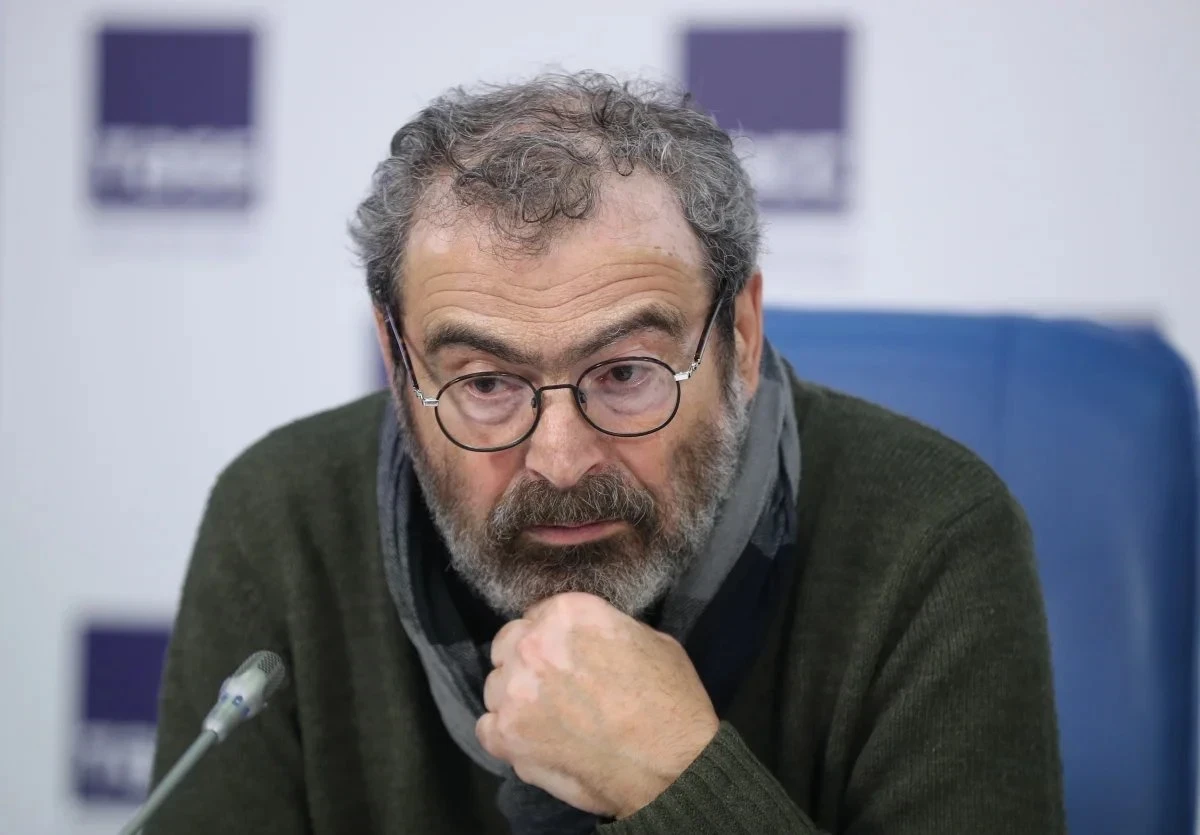
Photo from the internet. Arkadiy Dubnov
Russian political scientist Arkadiy Dubnov calls these actions a "top-level half-coup," as on the same day not only Tashiev was dismissed, but also several of his deputies. The Border Service was removed from the SCNS's jurisdiction, and a new State Guard Service was created based on the 9th service, which now reports directly to the president. Additionally, new leaders were appointed to the Anti-Terrorism Center and the Cybersecurity Center, altering the entire security architecture of the country.
According to the information provided by the expert, Tashiev learned of his dismissal while in Munich for a scheduled medical examination, which takes place every two years after his heart surgery. Sources from Bishkek claim that the president's decision may have been made after a tense phone call with the head of the SCNS.
Sadyr Japarov explained his actions as necessary to prevent a split both in society and among state structures. However, later his press secretary clarified that the tension arose not from Tashiev's actions but from people in his circle who were calling deputies and urging them to support the general and initiate early presidential elections.
Bekbolot Talgarbekov, one of these representatives, reported that 75 people, including former prime ministers, deputies, and public figures, signed an appeal requesting early elections for the head of state due to the legal uncertainty that arose after the adoption of the new Constitution in 2021. The signatories believe that disputes over the terms of presidential powers could lead to instability.
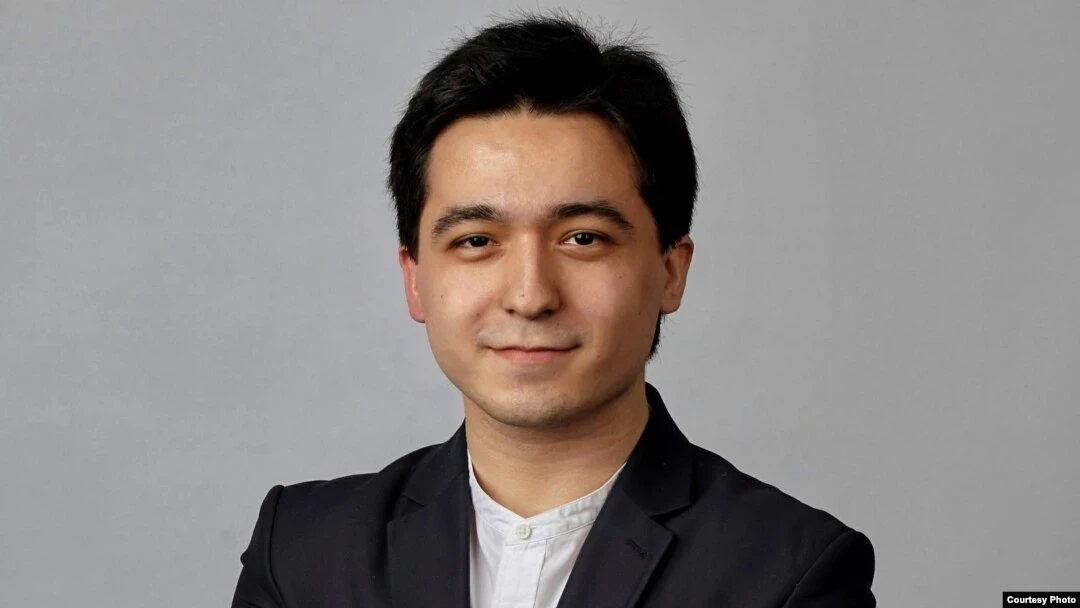
Temur Umarov, an expert on Central Asia, notes that after Tashiev's resignation, no mass "cleansings" are observed in the country. Rumors about the detention of the head of the Bishkek SCNS were quickly denied, and President Japarov publicly rejects any speculation about a split between him and Tashiev.
In the expert's opinion, the president intentionally leaves Tashiev the opportunity for a soft and safe return to the country, avoiding conflict and the risk of harsh measures. Umarov also links this to the health condition of the former head of the SCNS, who regularly undergoes treatment in Europe.
Against the backdrop of these events, Japarov is already beginning to redistribute powers within the security bloc, gradually dismantling the SCNS model centered around Tashiev to avoid the emergence of a new "power center number two."
The expert emphasizes that the president acts as an institutionalist, regaining control over key management verticals for his cabinet and preparing the political system for 2027, when the question of extending his powers will become relevant.
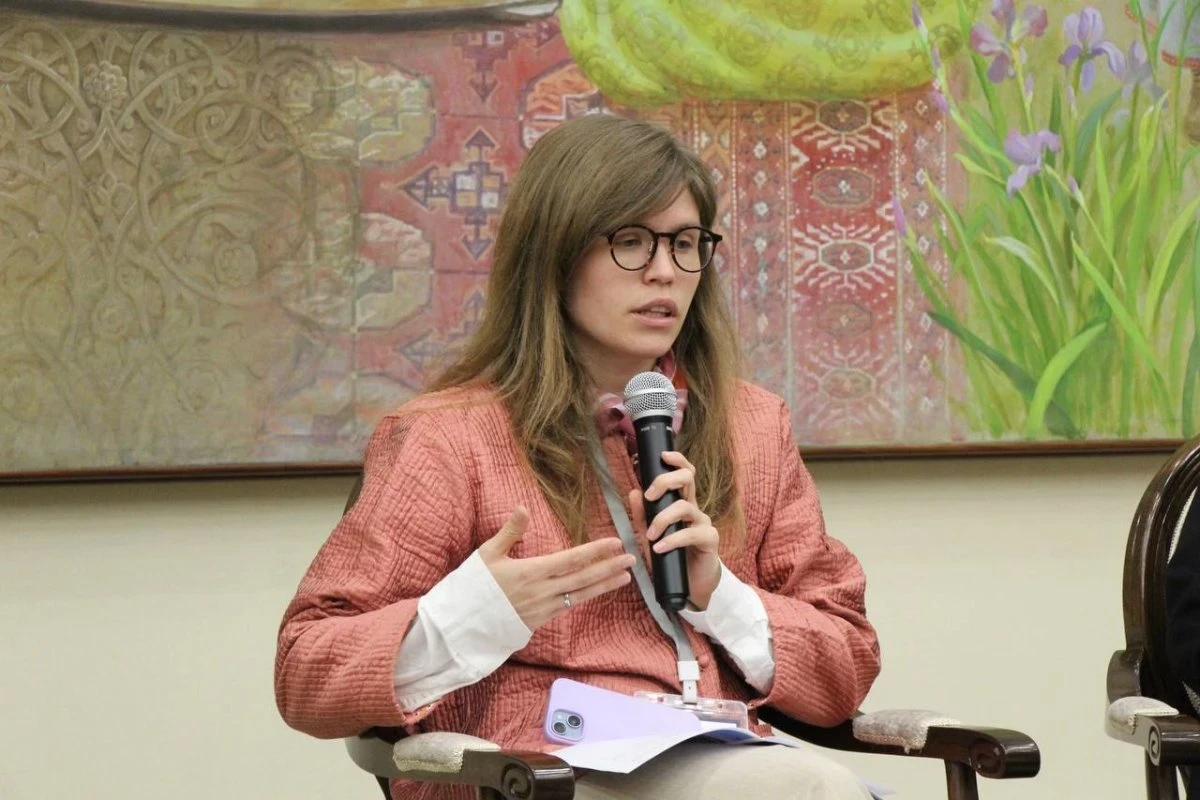
In an interview with RBC, researcher at the Institute of Oriental Studies of the Russian Academy of Sciences Darya Saprynskaya noted that the current events may be related to possible early elections: "We should not rush to conclusions. It is obvious that a personnel cleanup is underway, and the question is how far it will go — this is what Kyrgyz society is currently trying to understand."
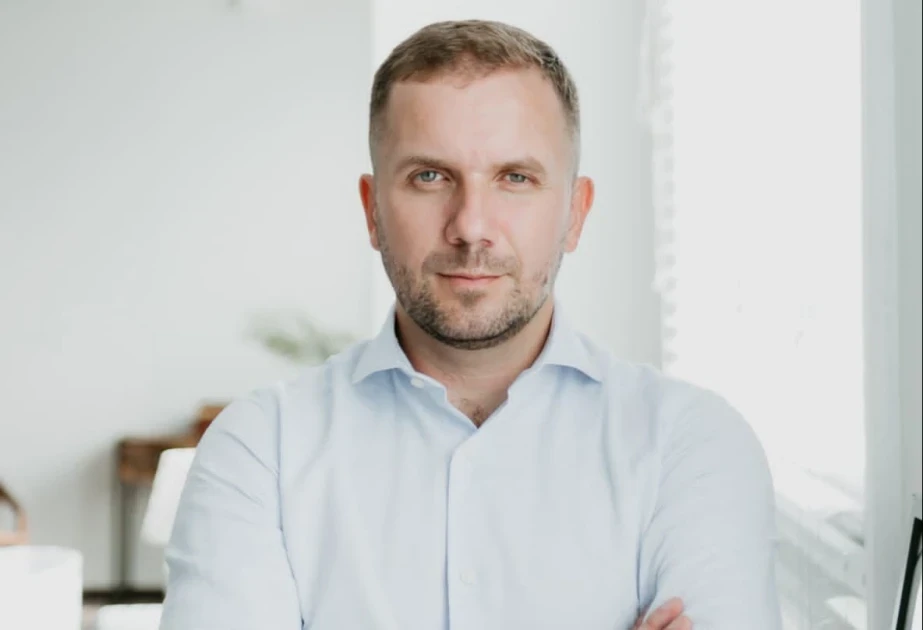
Stanislav Pritchin from the IMEMO RAS also comments that the SCNS, under Tashiev's leadership, gained significant powers and strengthened its position. "The president decided to act preemptively. The dismantling of the SCNS as a key power structure and the formation of a new configuration of power is taking place," he summarizes.
Observers note that the political connection between Japarov and Tashiev, formed after the events of 2020, when they jointly facilitated the departure of Sooronbay Jeenbekov, has now collapsed. Experts believe that for the first time in five years, Tashiev's influence has become minimal, and his political future depends on his decision to return to the country and whether he will seek confrontation with the existing power.


