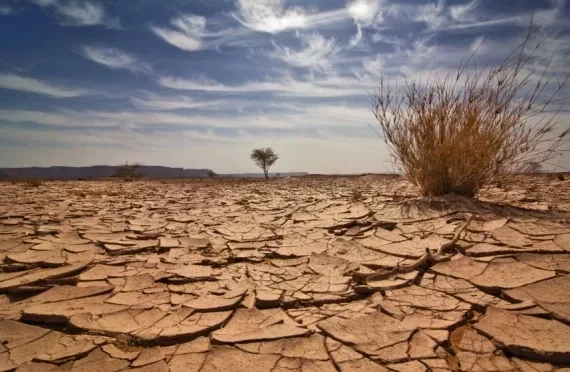
At the end of January 2023, the United Nations University presented a report stating the beginning of an "era of global water bankruptcy." The document emphasizes the need to adapt to new conditions caused by chronic depletion of groundwater, excessive use of water resources, land degradation, deforestation, and environmental pollution.
The authors of the study highlight that the terms "water stress" and "water crisis" no longer reflect the real situation with water resources on the planet. Kaveh Madani, director of the Institute for Water, Environment, and Health at the United Nations University, points out that "many regions are functioning beyond their hydrological capacities."
In Kyrgyzstan, the consequences of climate change, along with other factors, are leading to changes in the hydrological regime of rivers, making it relevant to revisit water policy issues. According to the World Resources Institute, the republic faces a high level of water stress and is approaching a crisis situation compared to other regions.
Before discussing the "reset" of the water agenda in the context of Kyrgyzstan and the region, it is important to note several key points:
- According to various international organizations, 40% of the world's population suffers from water scarcity, and by 2050, the demand for fresh water is expected to increase by 40%;
- By 2050, 75 million people will live in conditions of acute water scarcity, linked to population growth and water resource consumption;
- According to the World Bank, over 37 million people (49% of the population) in Central Asia live in areas with acute water scarcity;
- In Central Asian countries, water shortages can reduce economic growth rates by 6% annually. Water and the financial sustainability of the water sector are key factors for economic development;
- Kyrgyzstan has significant water resources, with an annual runoff of about 50 billion cubic meters, and this volume is formed entirely within its territory;
- However, the republic uses only about 25% of this volume, while about 75% is directed to neighboring countries, highlighting Kyrgyzstan's central role in regional water policy and its contribution to ensuring food, energy, and environmental security for its neighbors.
Despite the fact that all water use norms were established during the Soviet era with consideration for climate stability, Kyrgyzstan, as an upstream country, continues to adhere to previously reached agreements. Recognizing the importance of water for the economies of downstream countries, the republic maintains Soviet water division limits, provides services for water accumulation and regulation, and monitors water quality and the safety of hydraulic structures.
However, the conditions that existed during the USSR, when Kyrgyzstan received energy resources from downstream countries, are no longer relevant. In this regard, the Kyrgyz side, recognizing the problem of water scarcity and its significance, advocates for the implementation of a mutually beneficial mechanism in the water-energy sector. Although reaching a unified agreement for the countries of the region is challenging, water diplomacy can help balance national and regional interests. In 2025, work will begin under the project of one of the international partners to agree on the principles of this mechanism, which will allow for consideration of the energy, economic, ecological, and social value of water.
An essential aspect of water diplomacy is the need for effective management of water resources, modernization of infrastructure, and strengthening international cooperation based on trust. In the context of the growing gap between water supplies and needs, the issues of rational use of water resources become relevant both in Kyrgyzstan and in the region.
In 2023, the President of the Kyrgyz Republic, Sadyr Japarov, initiated the establishment of a Regional Center for the Implementation of Energy-Efficient and Resource-Saving Technologies in Bishkek. This initiative, along with the production of such technologies, can enhance the efficiency of water and energy resource use and reduce the negative impact on the environment in the region.
Support from neighboring countries and partners on this issue can significantly help overcome the impending water crisis. I am confident that this is achievable due to the high level of strategic cooperation between Kyrgyzstan and neighboring states.
Water resource management in the country is given special attention, reflected in the reform of the water sector coordination system. A National Council for Water and Land Resources has been established, as well as a specialized Ministry of Water Resources, Agriculture, and Processing Industry. A new Water Code is being introduced, and the implementation of the National Water Strategy until 2040 continues, which includes the creation of sustainable water resource management mechanisms.
It is also necessary to increase energy potential by creating new and modernizing existing generating capacities, including small and large hydropower plants.
It is important that the work of regional organizations on water use issues in Central Asia takes into account the interests of all countries, both upstream and downstream. If they do not comply with the principles, it is necessary to reform these organizations and revise outdated agreements and documents.
Climate change increasingly affects water resources, energy, and agriculture, complicating economic development, increasing the number of natural disasters, and leading to ecosystem degradation.
Climate change has also impacted Lake Issyk-Kul, whose water level is declining. We are drawing the attention of international ecologists and donors to the need to protect this unique natural object to avoid its demise, as happened with the Aral Sea.
At the national level, it is necessary to implement projects for the protection of water ecosystems and countering the shallowing of Issyk-Kul, as well as to conduct studies of its hydrography and ecology.
At the regional level, it is important to study the efficiency of water use, implement water-saving technologies, and revise the list of agricultural crops to minimize water consumption.
I am confident that the implementation of these projects will make a significant contribution to the efficiency of water resource use and the prevention of "water bankruptcy." However, many current and new projects often duplicate each other and do not take into account the specifics of the terrain and the needs of the countries.
Central Asian countries can together enhance water security and ensure sustainable economic growth by investing in adaptation projects and water supply systems.
Examples of successful bilateral cooperation with Kazakhstan and Uzbekistan show that joint work bears fruit. In October 2025, the first meeting of the Joint Water Management Commission with Tajikistan took place, indicating the similarity of our countries' positions.
Regular meetings of delegations on water issues occur several times a year, fostering dialogue and addressing important issues.
In conclusion, I emphasize that water and its use can become a unifying factor for the countries of the region on the path to sustainable development and the well-being of future generations.
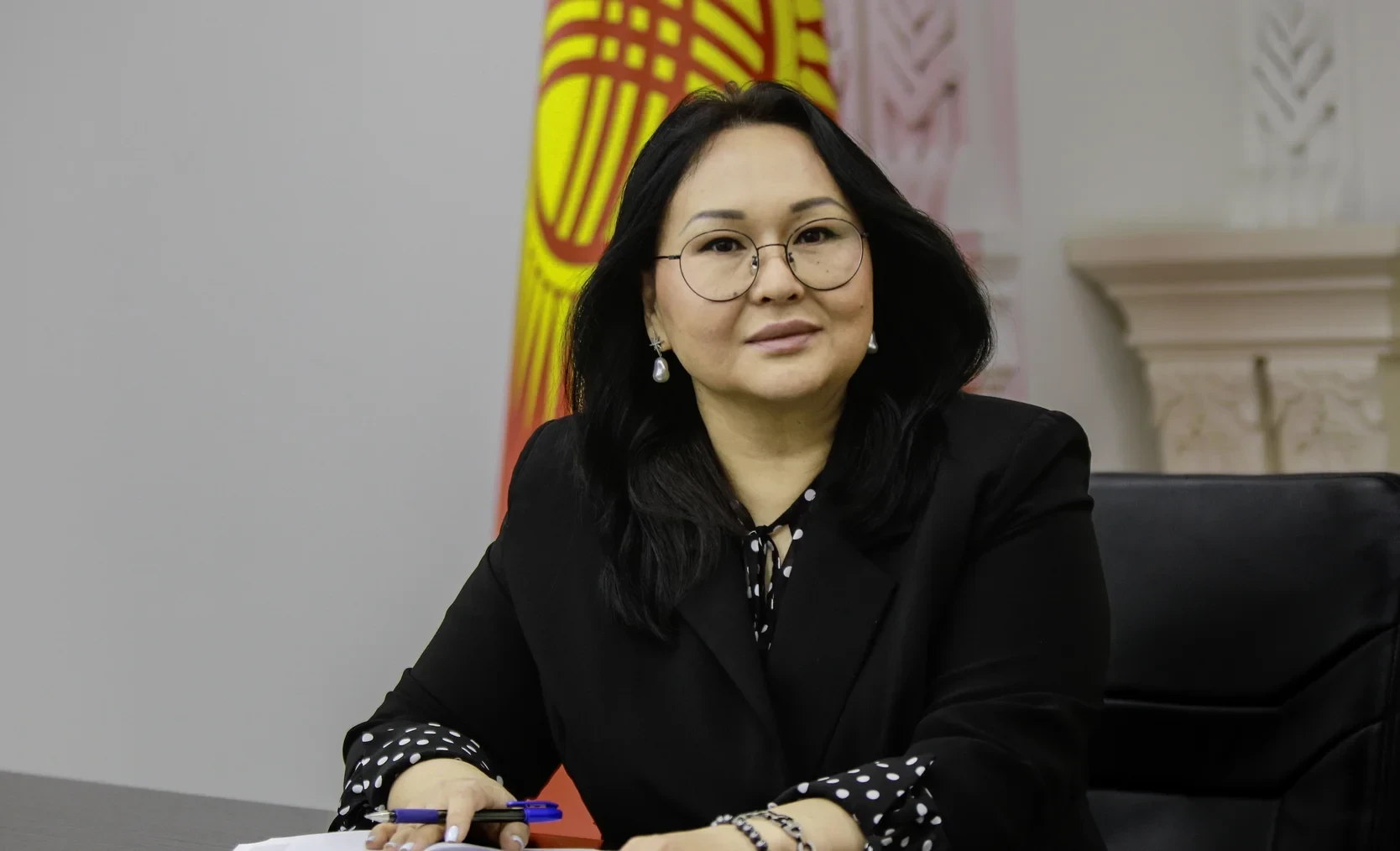
Kumushai Suyumbaeva
Head of the Water and Environmental Diplomacy Sector of the Department of Foreign Policy Analysis and Planning of the Ministry of Foreign Affairs of the Kyrgyz Republic