In this context, it is worth paying attention to what the world media is reporting and what possible consequences they predict. More details can be found in the article by 24.kg.
Surprising!
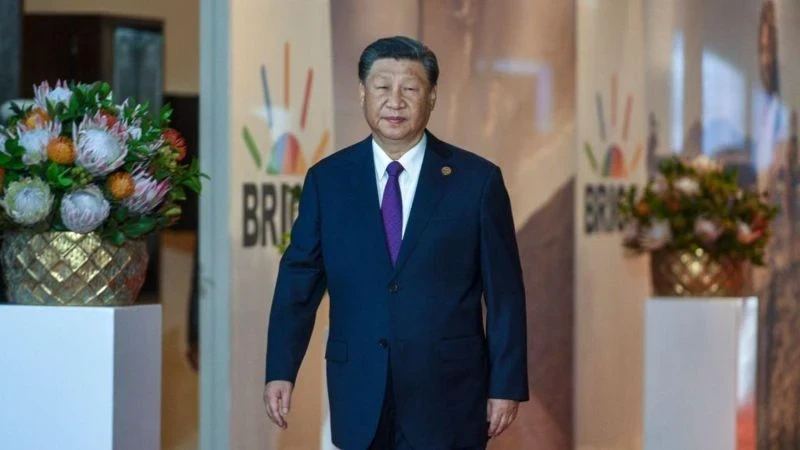
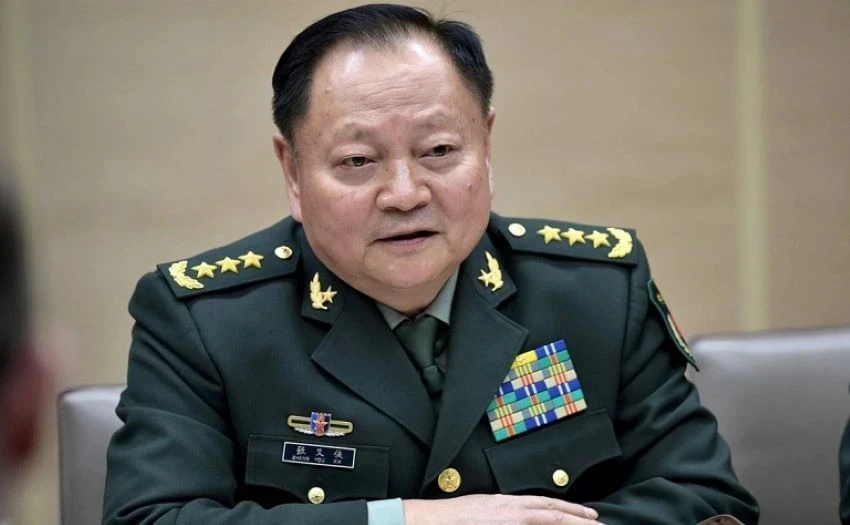
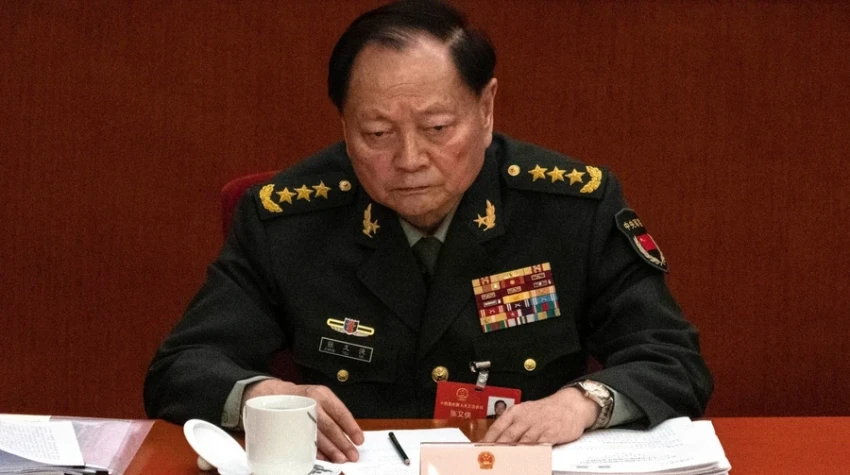
According to Reuters, Chinese authorities have initiated an investigation into General Zhang Youxia, who serves as the Vice Chairman of the Central Military Commission—a key figure in the country's armed forces. The Wall Street Journal, citing its sources, reports that he is accused of leaking information about China's nuclear program to the United States. Additionally, Zhang Youxia is suspected of corruption related to accepting bribes and promoting an officer to the position of Minister of Defense. Before his detention, he was considered a close ally of Chairman Xi Jinping and was a member of the Politburo of the Central Committee of the Communist Party of China.The publication notes that "recently at a meeting, the general was accused of attempting to form a coalition to undermine the unity of the party." It is also reported that Zhang Youxia headed the agency responsible for the development and procurement of military equipment. According to WSJ sources, he promised career advancement in exchange for bribes.
Earlier, the Chinese Ministry of Defense confirmed the initiation of an investigation into Zhang Youxia due to "serious violations of discipline and law." In the context of this investigation, another high-ranking general, Liu Zhenli, has also come under scrutiny. Russian "Vedomosti" claims that the large-scale "purges" in the leadership of the People's Liberation Army are among the most significant personnel changes in recent years.
According to Forbes.ru columnists, the removal of Zhang Youxia may indicate the growing control of the party over the army.
The authors emphasize that Zhang's dismissal, who was respected both within the army and beyond, indicates that no one can consider themselves safe, not even the closest allies. This opinion is shared by the South China Morning Post.
“The absence of influential military leaders around Xi Jinping means that the army is now fully under the control of the party elite, reducing the likelihood of autonomous centers of influence within the Chinese armed forces,” the publication states.
On the Agenda
Different assessments of risks and consequences are also present in international media. According to Reuters, in the short term, sharp changes at the highest levels may reduce the likelihood of an immediate military conflict with Taiwan, as this could lessen readiness and "concern over disagreements at the top."“However, this also introduces an element of unpredictability: centralized decision-making by Xi without strong advisors could lead to unilateral, less measured decisions in critical situations,” the agency emphasizes.
The same article mentions the position of Taiwan's authorities, stating that they "will continue to closely monitor the situation and will not weaken their defense, even if changes occur in Chinese command."
The publication Sinioinsider sees the reduction of generals as a weakening of army command, which could negatively affect strategic planning. Some media outlets, such as Probe International, citing their sources, report that junior officers are beginning to ignore orders or express dissatisfaction, which could undermine discipline.
Some forecasts sound grim. The Financial Times warns that China's global strategy may become more aggressive "if only loyal, less independent advisors inclined towards nationalist decisions remain around Xi."
Christian Monitor notes that "simplified command may accelerate actions in crisis situations (for example, around Taiwan), but also increase the risk of conflict due to a lack of deterrents."
P.S. Thus, experts expressing their opinions in international media agree that the "purge" in the Chinese general staff is not merely a personnel change or an anti-corruption campaign, but a serious political process. As a result, military leadership has effectively come under the direct control of Xi Jinping. This could lead to various consequences: from a temporary reduction in the risk of conflict to long-term instability in command and strategic decisions made without necessary oversight mechanisms.