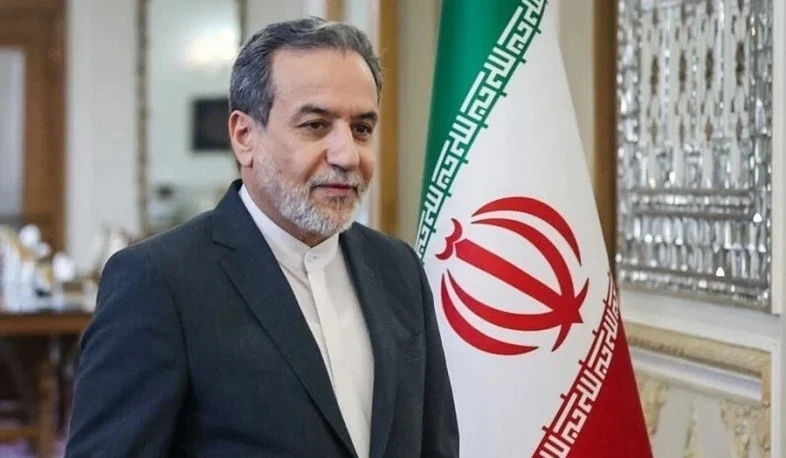
In a publication that appeared in the well-known American newspaper Wall Street Journal, Iranian Foreign Minister Seyed Abbas Araghchi sharply commented on the actions of U.S. President Donald Trump, stating that the hostile measures taken by Washington against Tehran have proven ineffective. He called for an end to pressure and a shift towards a more respectful approach in negotiations.
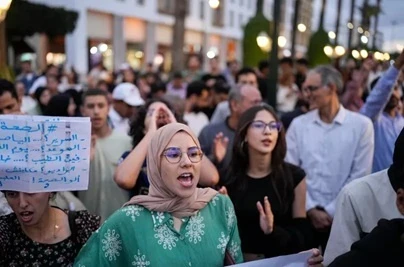
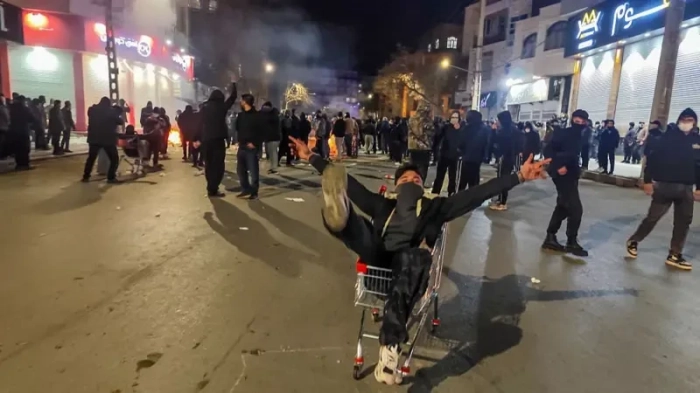
Araghchi noted that "the White House should ignore the wave of clearly false news from Western media about recent events in Iran, although some points require clarification. The protests began peacefully and were recognized by the government as legitimate. However, with the emergence of internal and external terrorists, they quickly escalated into violence, necessitating a severing of ties between the organizers of the unrest and the terrorists."
According to him, the distortion of reality by the media has created an atmosphere that could lead to unprecedented violence in the region. "I suspect that the true aim of this disinformation campaign is indeed violence," the minister added. While armed terrorist groups attacked the demonstrations, some media reported on the "fall" of major cities in Iran, even though the violence lasted less than 72 hours, and the preliminary death toll is in the hundreds, with final data to be provided later."
He also emphasized that "the main difference between these protests and previous ones was the public warning from the U.S. president about 'consequences' in the event of the killing of protesters." This warning, in his opinion, prompted the organizers of the unrest to escalate the violence in order to draw the U.S. into a new conflict over Israel. Even the former CIA director in the Trump administration confirmed Mossad's involvement in the street protests.
From December 28 to January 8, events unfolded in Iran that are familiar to many countries with democratic traditions: protests, mostly peaceful, against economic reforms and inflation, accompanied by negotiations with trade unions and minor clashes. However, shortly after Trump's statement about the possibility of intervention in the case of widespread violence, our security forces faced sudden and well-organized attacks.
Gunfire erupted both at police and at peaceful civilians. Police officers were killed, burned, and even decapitated. In a bid to maximize casualties, infrastructure facilities such as public transport, hospitals, ambulances, fire-fighting equipment, and even mosques were deliberately destroyed. The majority of the victims were police officers and peaceful citizens. Despite the flow of disinformation from abroad, all unarmed victims were officially recognized as "martyrs," and their families will receive the same assistance and compensation as the families of deceased officers.
Now the violence has ceased, and life across the country has returned to normal. Thanks to the actions of brave law enforcement officers and the vigilance of the population, terrorist cells have been identified and eliminated.
If we face an attack again, our armed forces, with determination, will respond without hesitation, unlike the restraint shown by Iran in June 2025. This is not a threat, but a reality that I, as a diplomat and a veteran who hates war, consider important to convey to society. The conflict will be full-scale, intense, and will last much longer than the White House tries to convince Israel, affecting the entire region and people around the world. I will do everything possible to prevent this scenario.
"Mr. Trump calls himself a negotiator, but all he has brought to our region is war. Look at Palestine, Lebanon, Syria, Yemen, Iran, and even Qatar, and remember how many people have died in the 12 months of his presidency. The time for a change in approach has come."
Trump initially tried to test diplomacy with Iran. During negotiations in Oman last May, we were three times close to reaching a compromise that was never achieved. The reason lies in the fact that Israeli puppets in the White House ignore U.S. interests. We also missed the chance to resume negotiations last September in New York due to America's miscalculation in pressuring Europe to activate the "snapback" sanctions mechanism of the UN Security Council.
Iran has always preferred peace over war. We are ready for serious negotiations to reach a fair and balanced agreement. However, given the experiences of June and September 2025, we have doubts about whether the United States adheres to the same approach.
One thing is clear: Iran sends a clear message to President Trump — America has tried all possible hostile actions against Iran, from sanctions and cyberattacks to direct military strikes and recent large-scale terrorist operations, and all have failed. It is time to think differently. Try to approach with respect — this will significantly advance us forward."