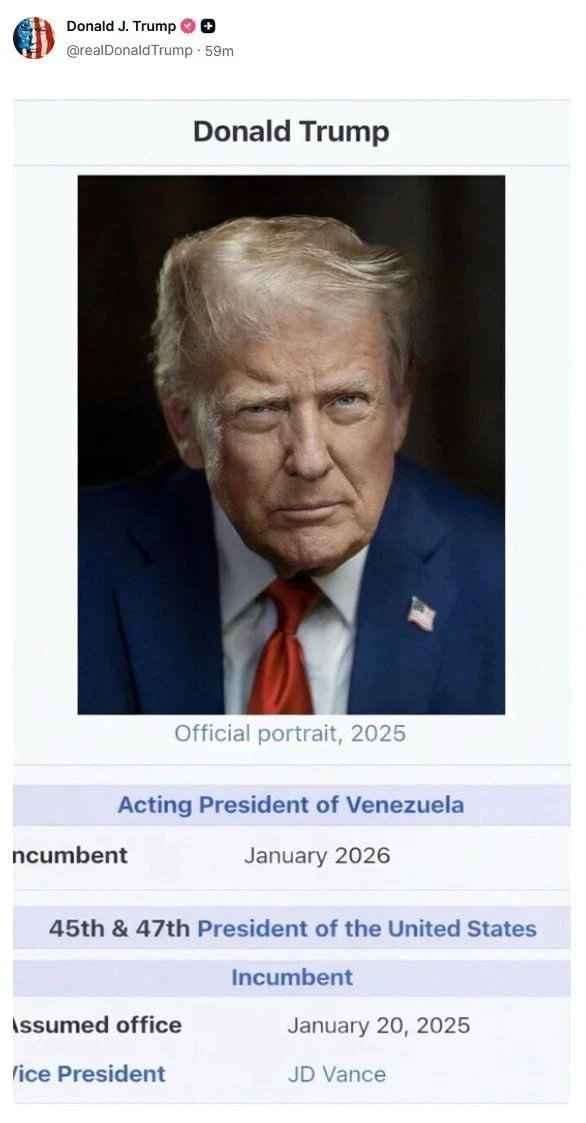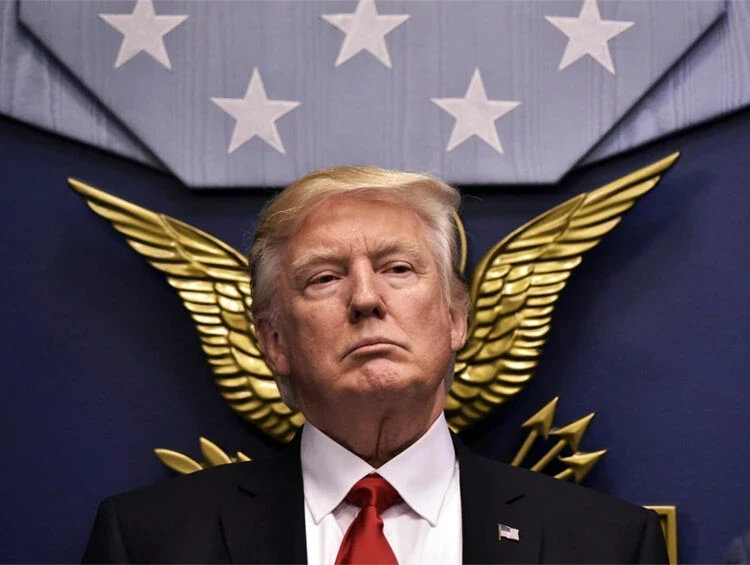
The beginning of 2026 for the 47th President of the United States, Donald Trump, was marked by bold steps on the international stage: the capture of Nicolás Maduro in Venezuela, active militarization of relations with Greenland, which is under the effective control of Denmark, and loud promises to the protesters in Iran. However, shortly after these statements, an unexpected turn occurred, and Trump abandoned his previously stated intentions.
Western news agencies note that Trump is reverting U.S. foreign policy to a "shock and ultimatum" tactic. Nevertheless, his strategy faces challenges due to resistance from allies and doubts among American voters.
The question that now concerns both Europe and the U.S. is whether a policy of strength is a way to regain lost positions or if it will lead to new crises.
We analyzed global media and prepared a selection of reports regarding Trump's policy. More detailed information is available in the material 24.kg.
What happened?
The military operation to overthrow Maduro became one of Trump's first notable steps in foreign policy this year. Western analysts view it as "a significant step back from diplomatic efforts and a demonstration of force."Read more on the topic
Donald Trump "proclaimed" himself acting president of Venezuela
Bloomberg emphasizes that this operation indicates that Trump prefers direct military action over long-term negotiations and strengthening alliances. Analysts link this approach to an attempt by the U.S. to regain its influence in the region after four years of relative calm.
Reports from CBS News indicate that Maduro was captured by American forces and taken to New York. Trump stated that the U.S. "now controls Venezuela, which has changed significantly in just a week."
We will govern the country until we ensure a safe, proper, and fair transition.
Donald Trump
According to Euronews, this statement provoked a negative reaction in Europe and was perceived as a violation of sovereignty.
Meanwhile, the Wall Street Journal noted that Trump "is satisfied with the operation to capture Maduro," which provided him with additional political leverage within the Republican electorate. However, the article also mentions analysts' warnings about potential risks to international law and stability in the region.
Promises Made, Promises Broken
Since early December, Iran has been engulfed in mass protests triggered by the fall of the rial's exchange rate. Security forces are harshly suppressing the protests. However, due to the information blockade imposed by the Tehran regime, it is difficult to verify the accuracy of reports about what is happening. The number of casualties remains unknown, and unconfirmed reports of tens of thousands of deaths are appearing in foreign media.
Nevertheless, contrary to the threats voiced by Trump earlier in the week, the U.S. has not yet struck Iran.
Trump claims that, according to his information, "the killings of protesters in the country have stopped, and the planned execution of activists has been canceled." Foreign media note that "Trump did not give the order to strike Iran under pressure from allies."
Read more on the topic
The Iranian ambassador to Pakistan stated that Donald Trump promised not to attack his country
The British The Guardian reports that by announcing a pause in threats, Trump is relying on information that "the killings have stopped." However, this information remains unverified.
The Wall Street Journal emphasizes that the decision to change course was unexpected. "Trump considered the possibility of a strike but suspended it under pressure from allies and due to logistical issues, which could negatively impact the reputation of the U.S.," the article states.
AP News informs that Trump even thanked Iran for "stopping the executions" as a sign of possible de-escalation, which sharply contrasts with his initial threats.
Time previously quoted Trump, who urged Iranian protesters to continue their struggle and stated that "help is on the way." However, he later changed his mind. According to the publication, such inconsistency from the president indicates a potential, but postponed, intervention.
"Give it Back"
Trump renewed discussions about including Greenland in the sphere of U.S. interests. Leaders of EU countries expressed their concerns, and the initiative to "capture Greenland" caused anxiety in Europe and diplomatic tensions.Time reminded of Trump's intention to impose tariffs on countries that do not support his plans for Greenland. The U.S. president accused the EU of colluding with Russia and China in the Arctic. However, European leaders sharply condemned these statements and accused Washington of attempting to violate sovereignty.
The Guardian also noted that Trump, while speaking with U.S. representatives, expressed a desire to strike a deal over Greenland, despite official rejection from Denmark.
This led to an increase in NATO's military presence and discussions of possible economic and political sanctions.
The Guardian.
Western media also record the public and expert reactions to Trump's foreign policy course.
Read more on the topic
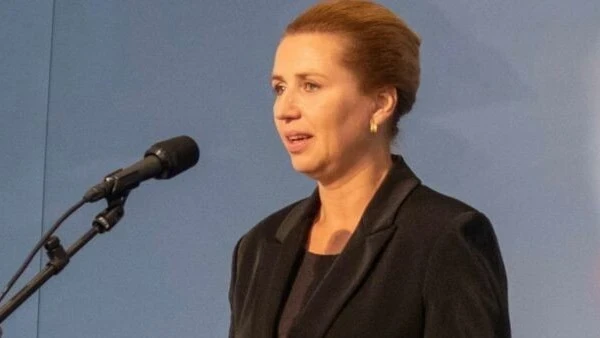
Annexation of Greenland. The Foreign Minister cried during an interview
AP News points out that many U.S. allies, including EU countries, are concerned about the scale of American ambitions and pressure on NATO, especially after events in Venezuela and Greenland.
American society also does not support the ambitions of its president.
A Quinnipiac Poll showed that 70 percent of Americans oppose military intervention in Iran, and 86 percent do not support the forcible annexation of Greenland.
Thus, Trump's actions regarding the capture of Maduro, the pause on Iran, and questions surrounding Greenland have elicited mixed feelings in Western media—from alarm to cautious pragmatism.
Political experts in the West note that from the first days of the new year, the U.S. president has made it clear that his second term will be built on demonstrating strength and coercing both allies and adversaries. The Trump administration seems to have adopted the motto: "Whoever is not with us is against us."