
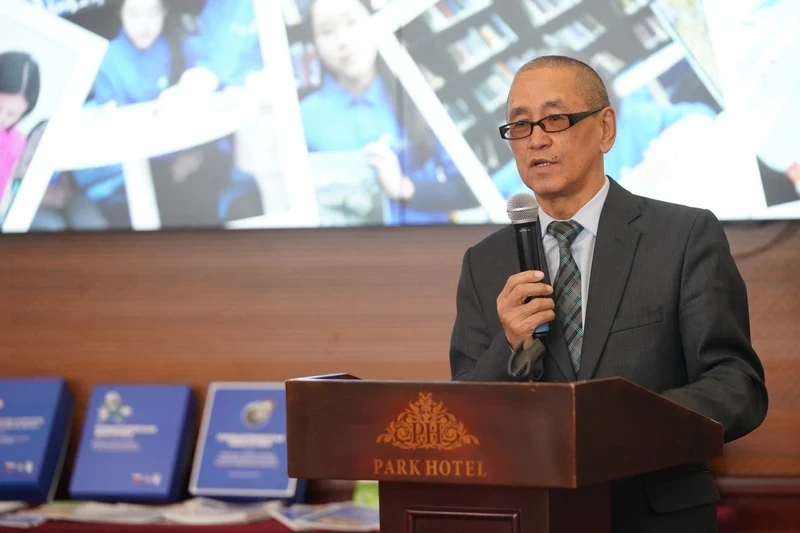
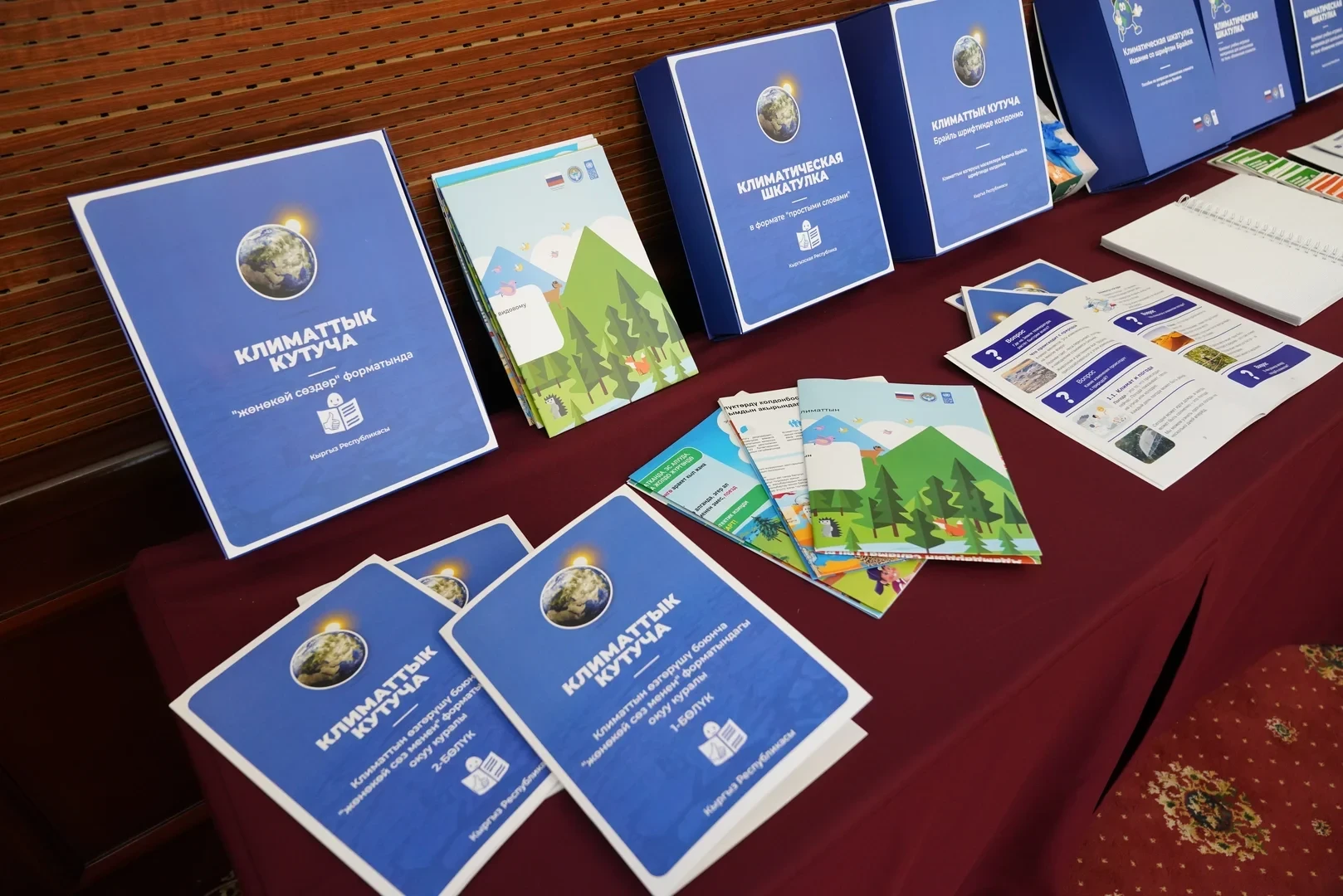
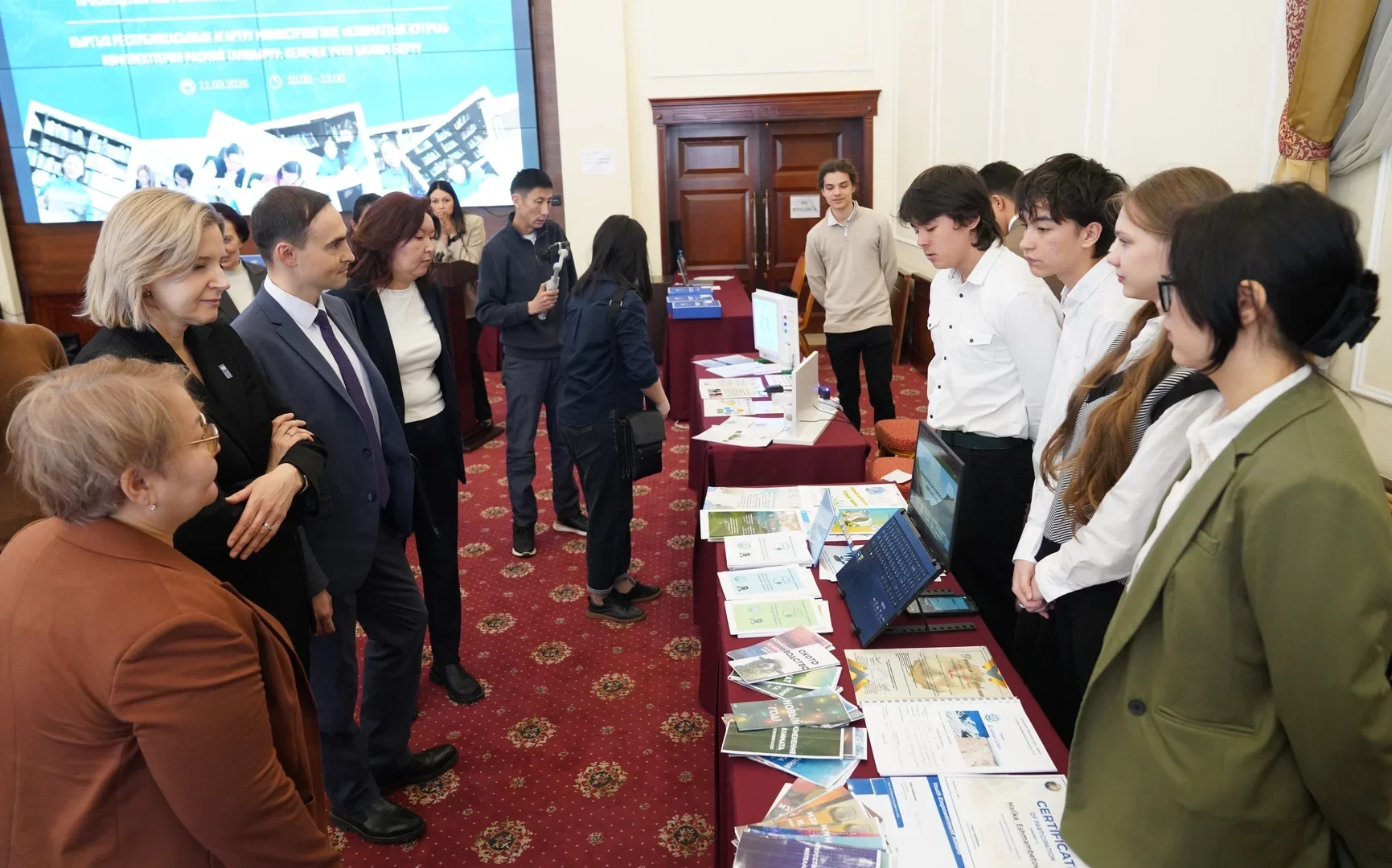
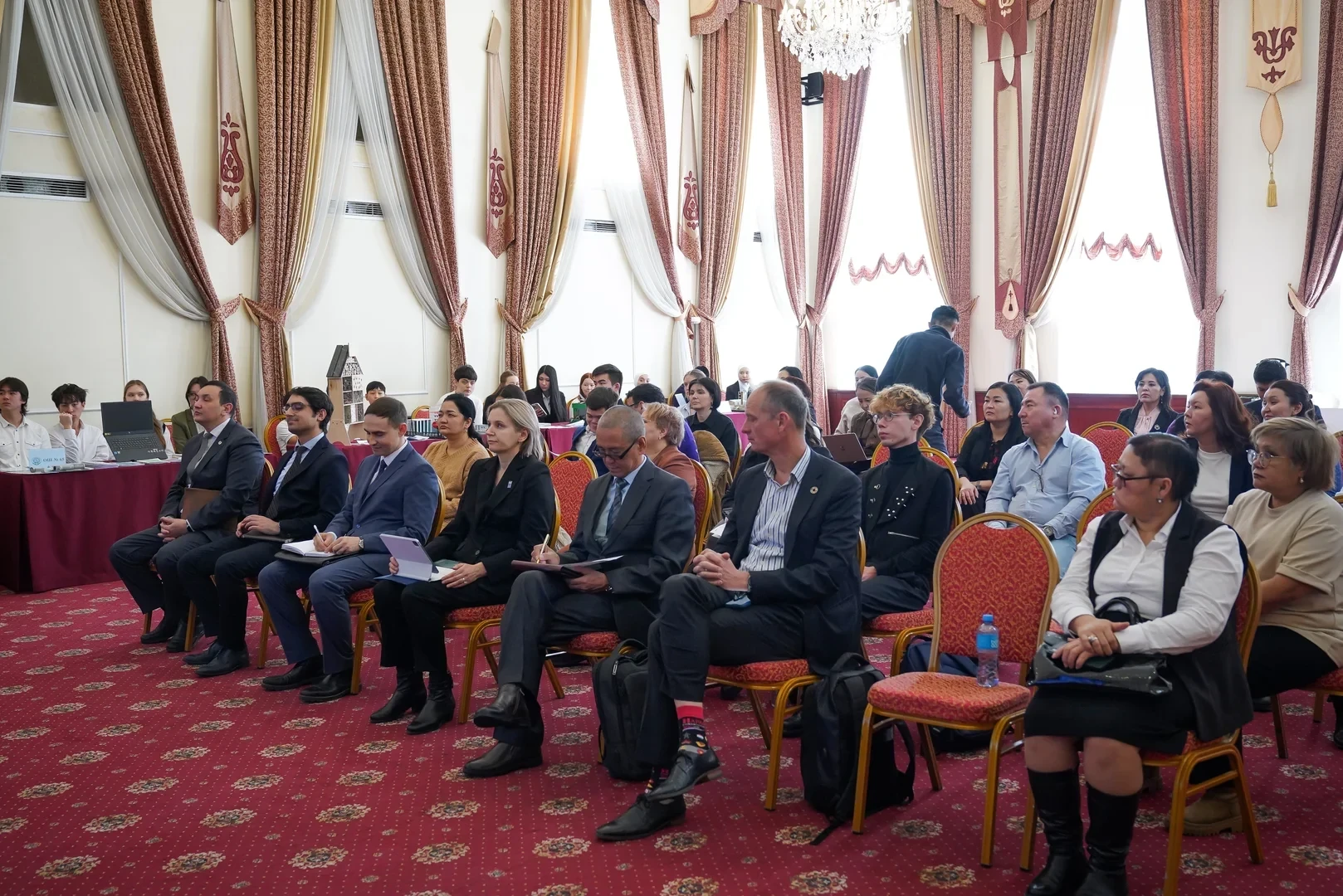
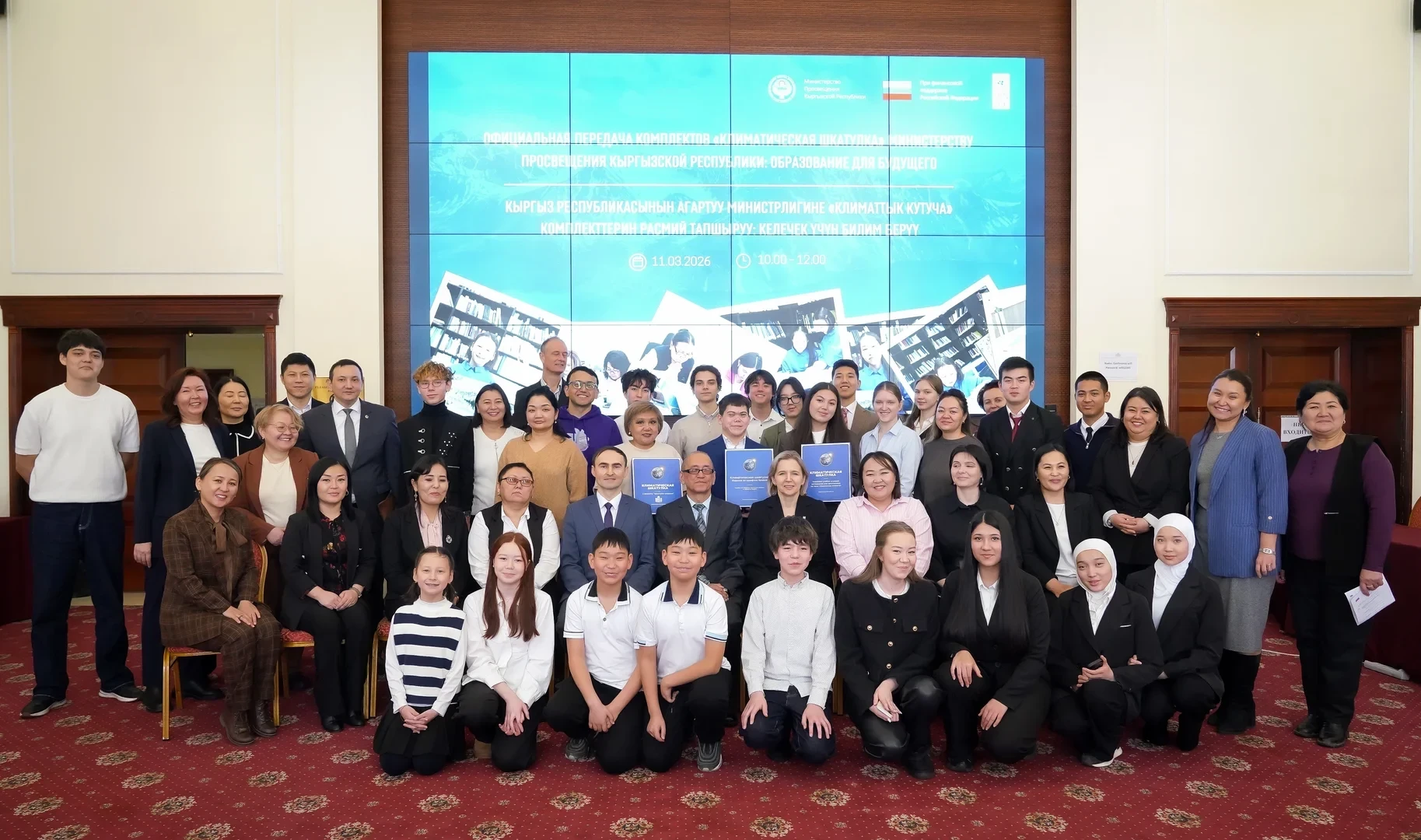
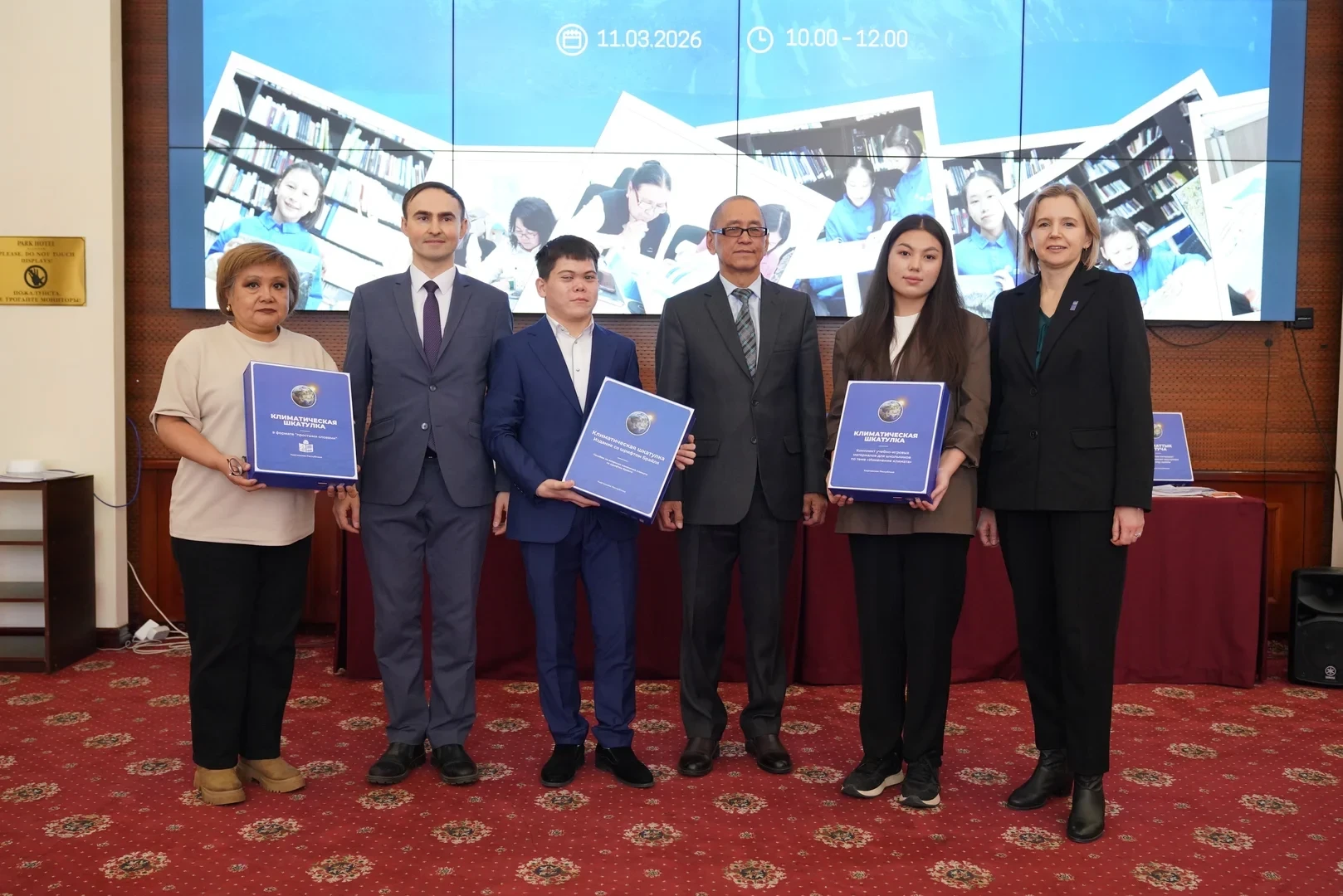
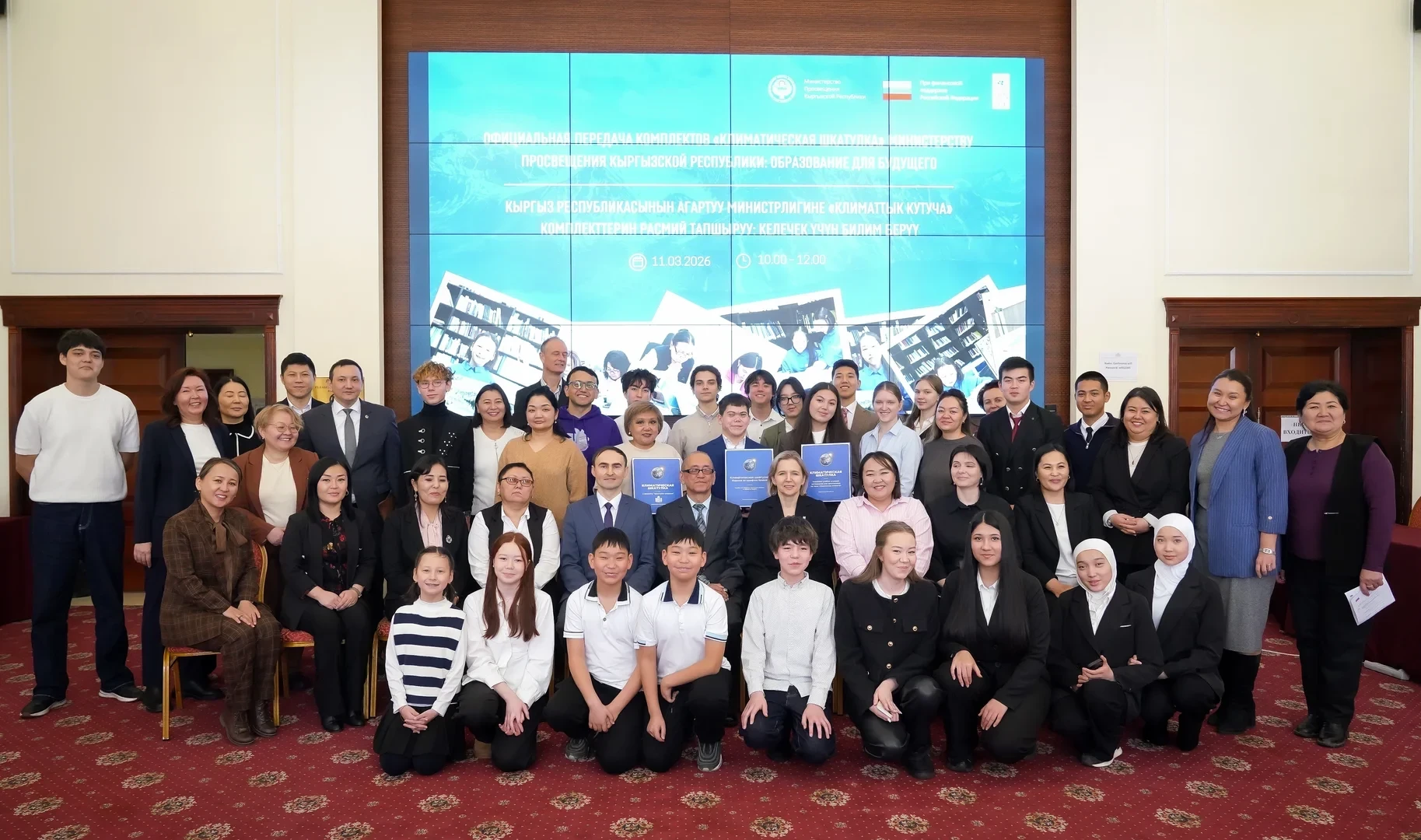
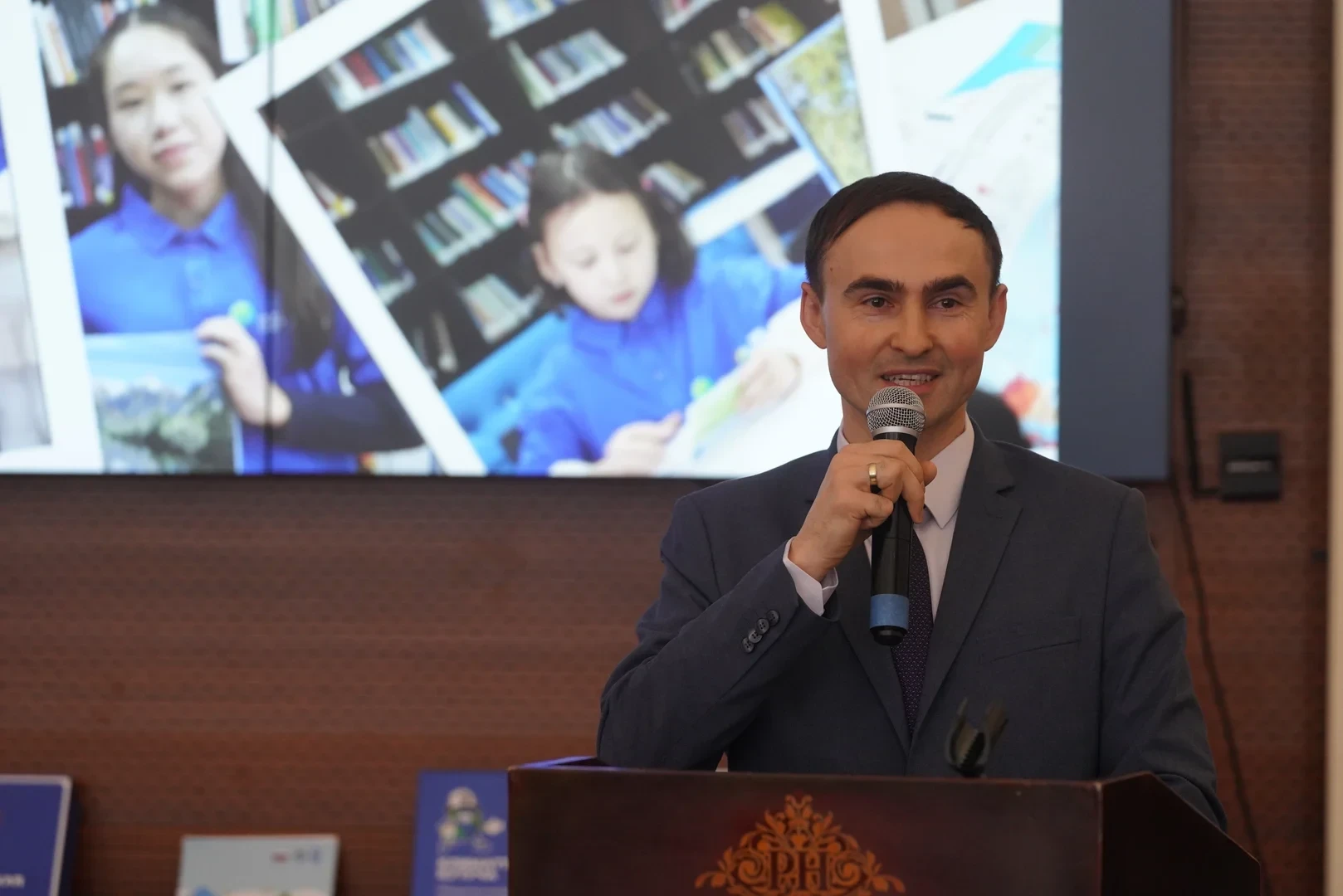
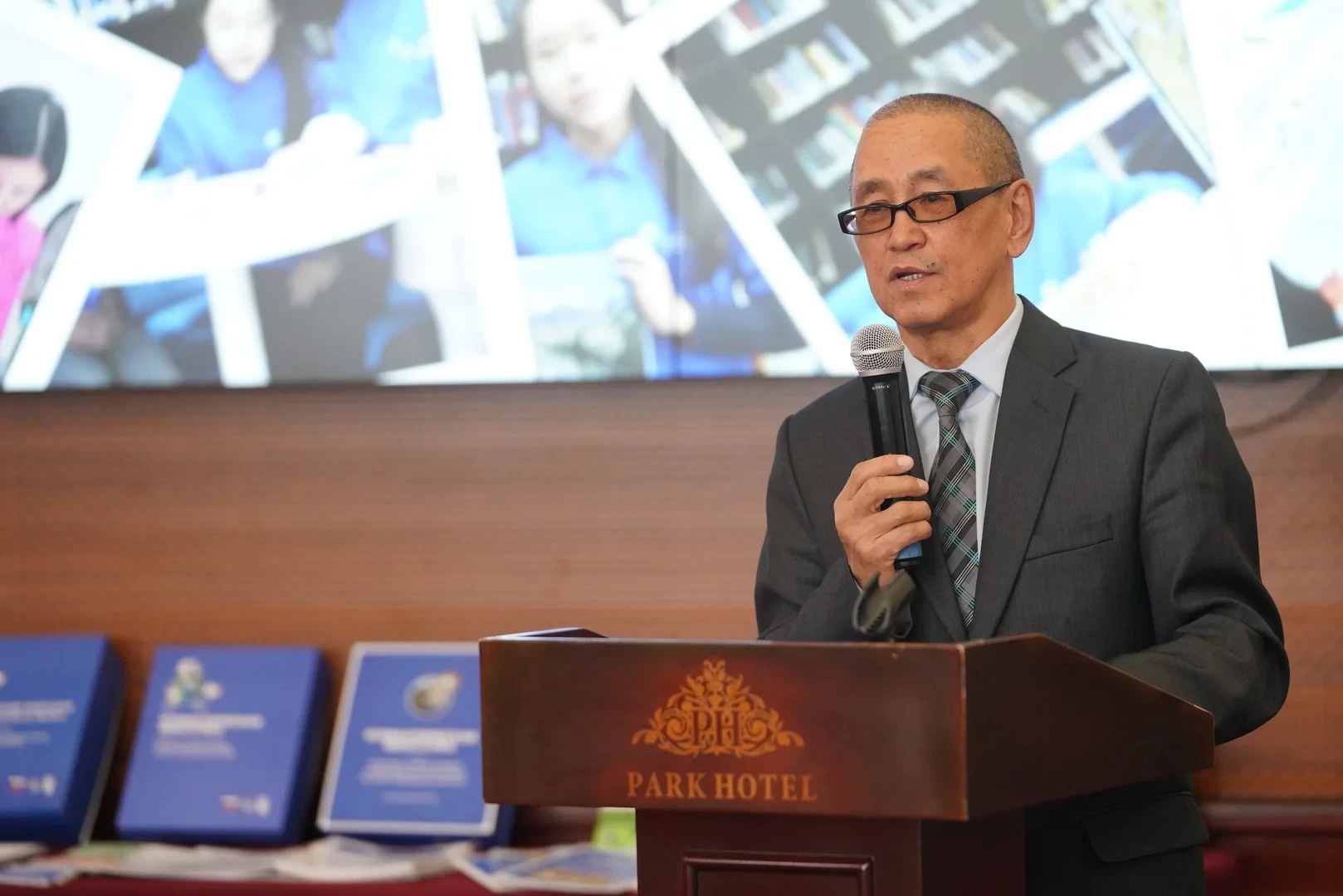
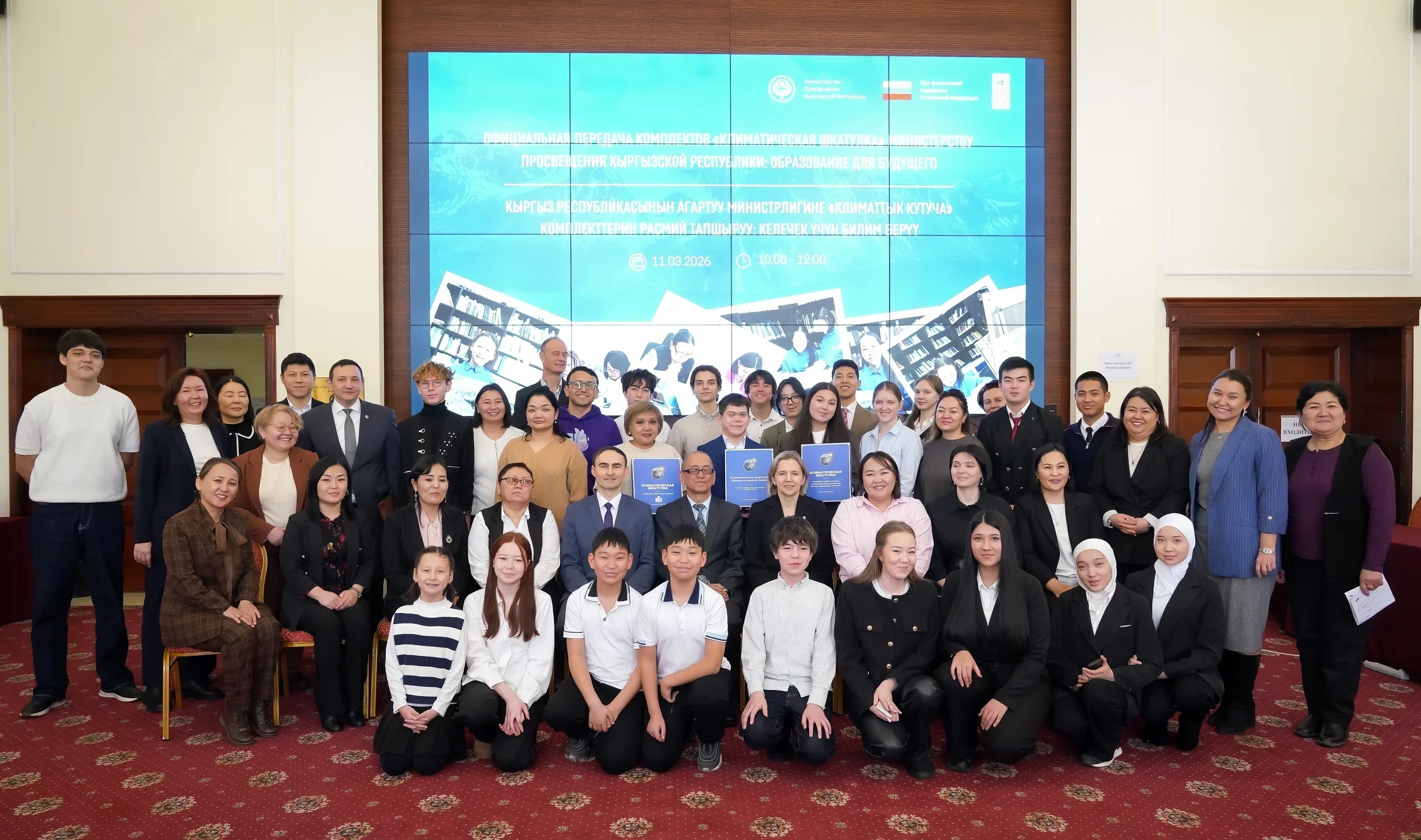
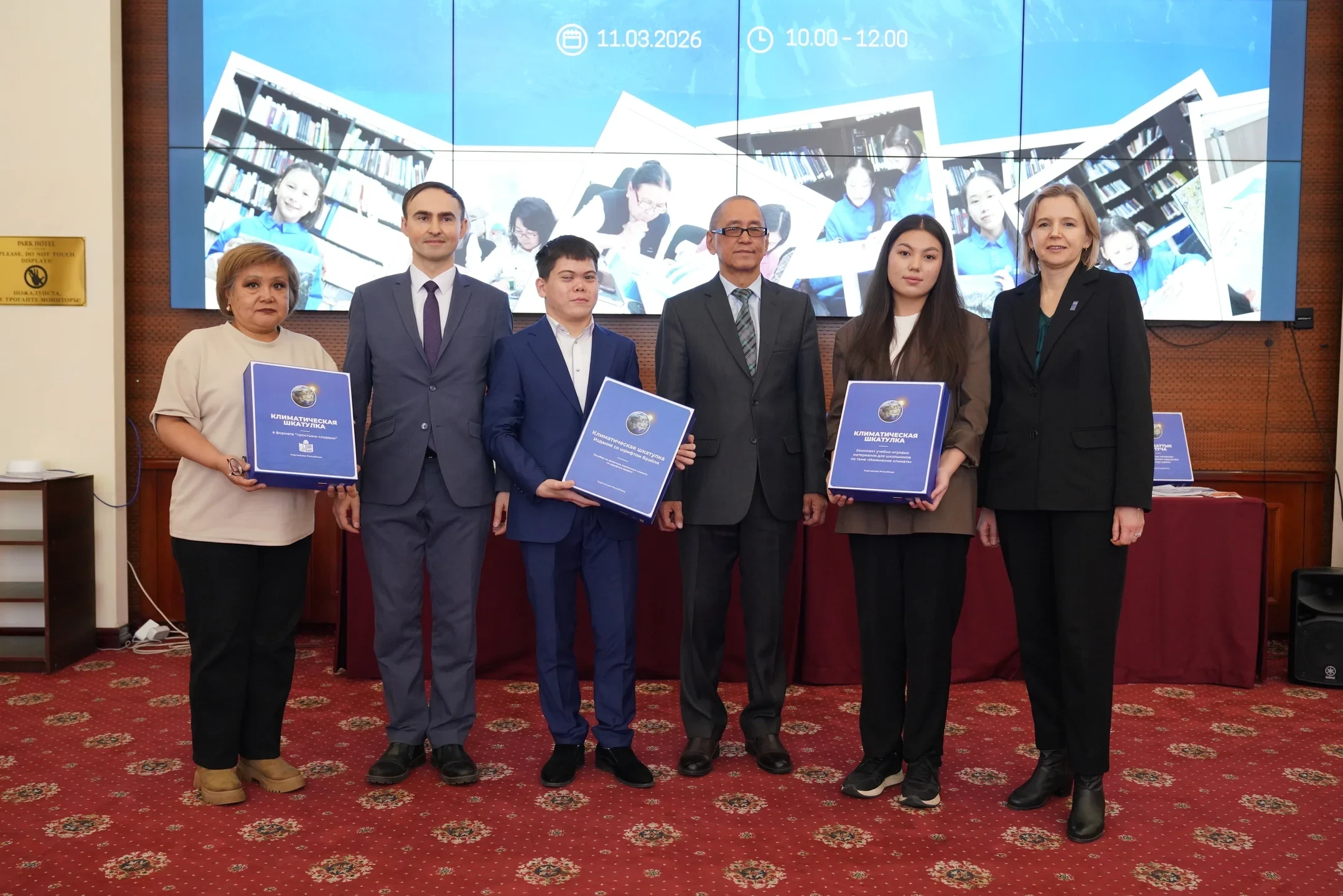
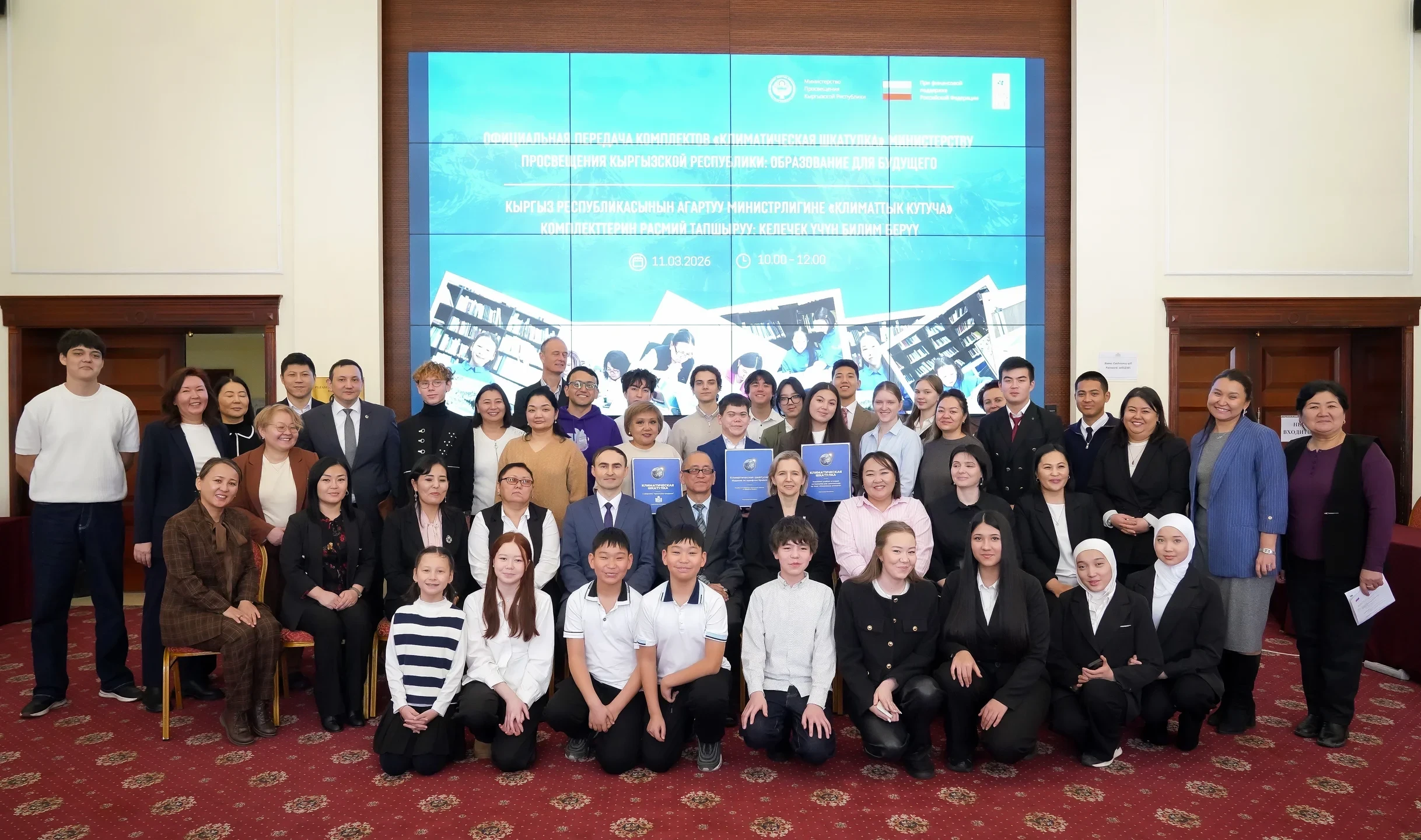
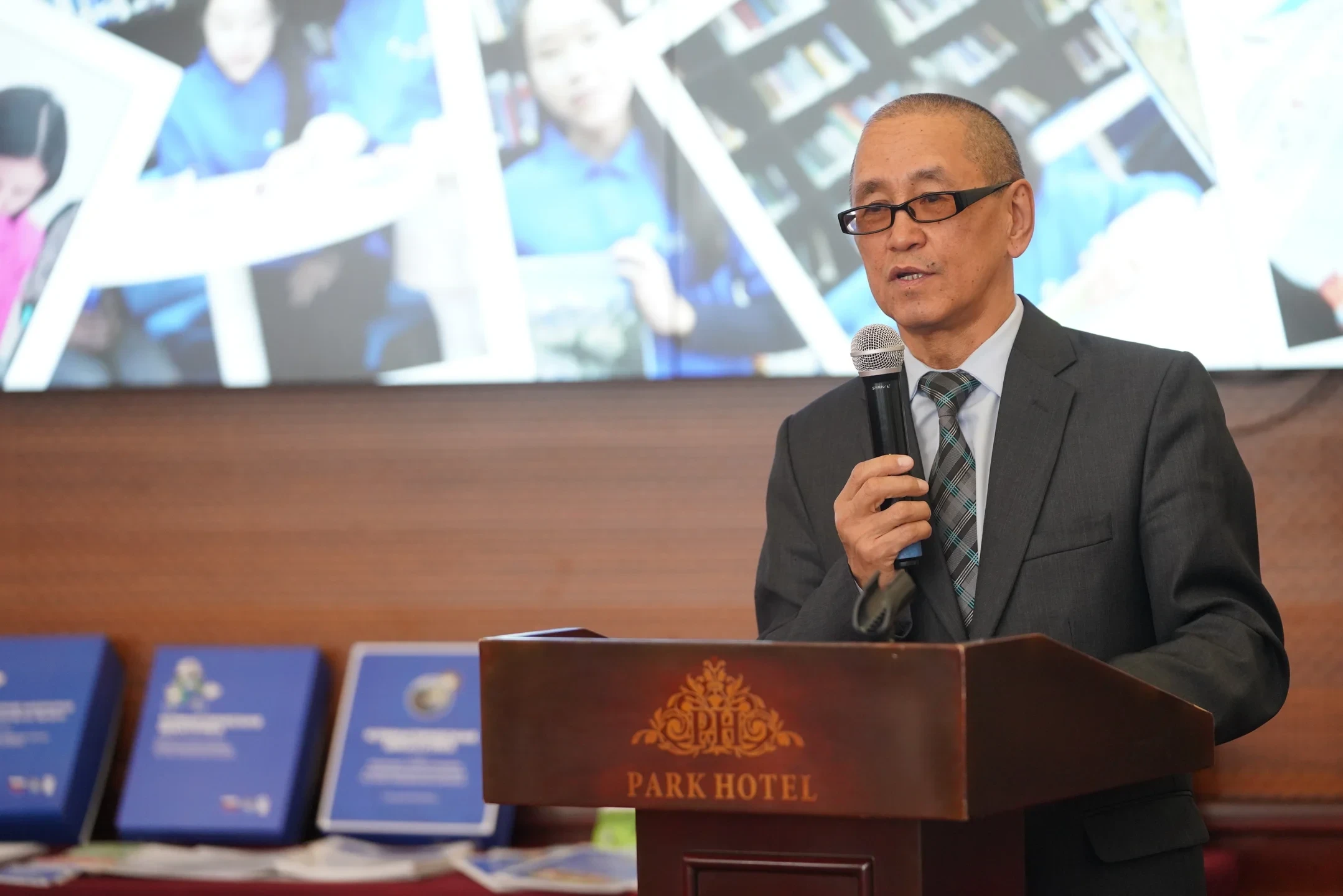
The official transfer of educational materials 'Climate Box' took place between UNDP and the Ministry of Education of the Kyrgyz Republic.
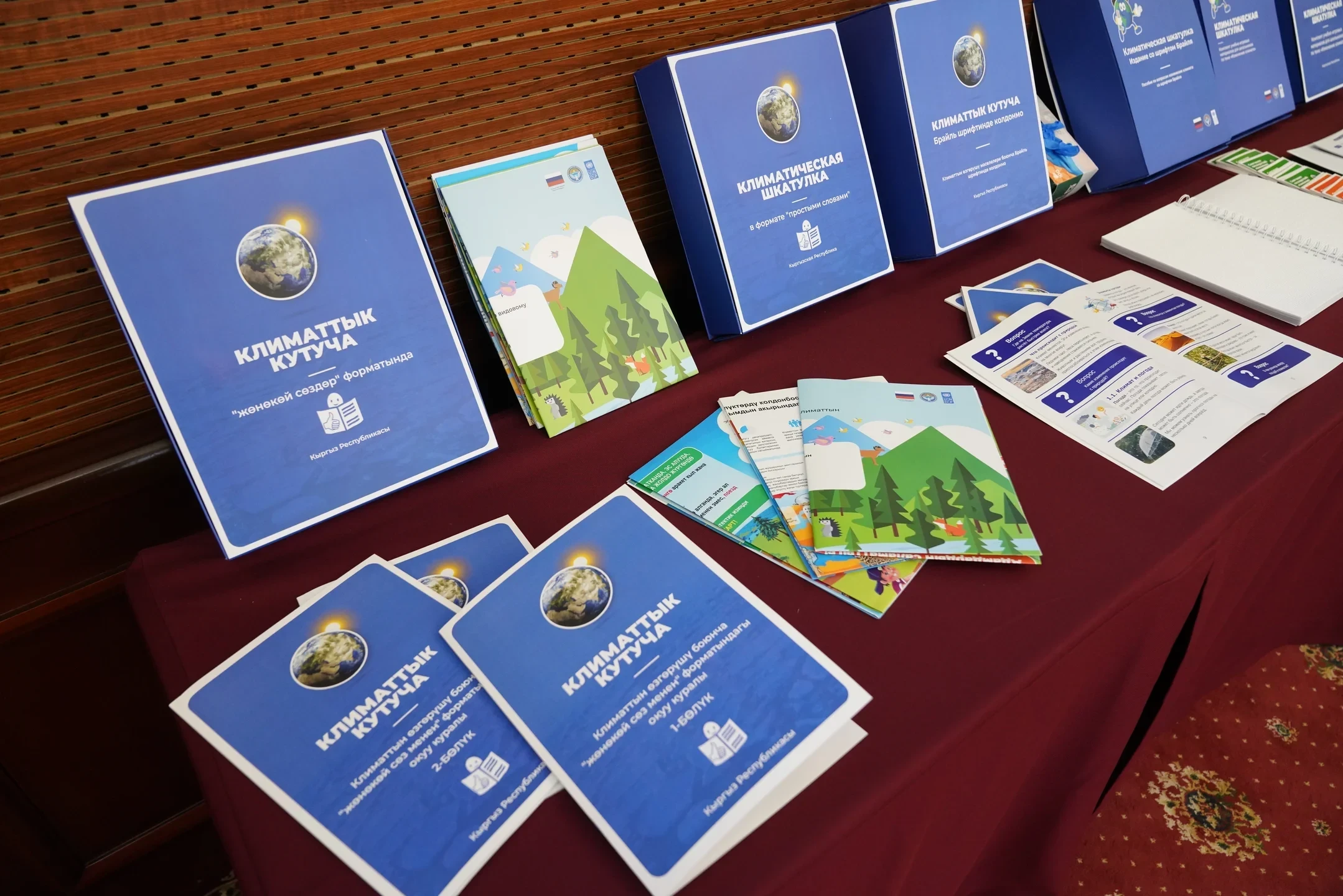
According to information from the organization, the kit includes textbooks in Kyrgyz and Russian, game sets, as well as adapted versions of materials — in Easy-to-Read format and in Braille.
In addition, guides for teachers on organizing extracurricular activities and project-based learning in the field of climate change were provided.
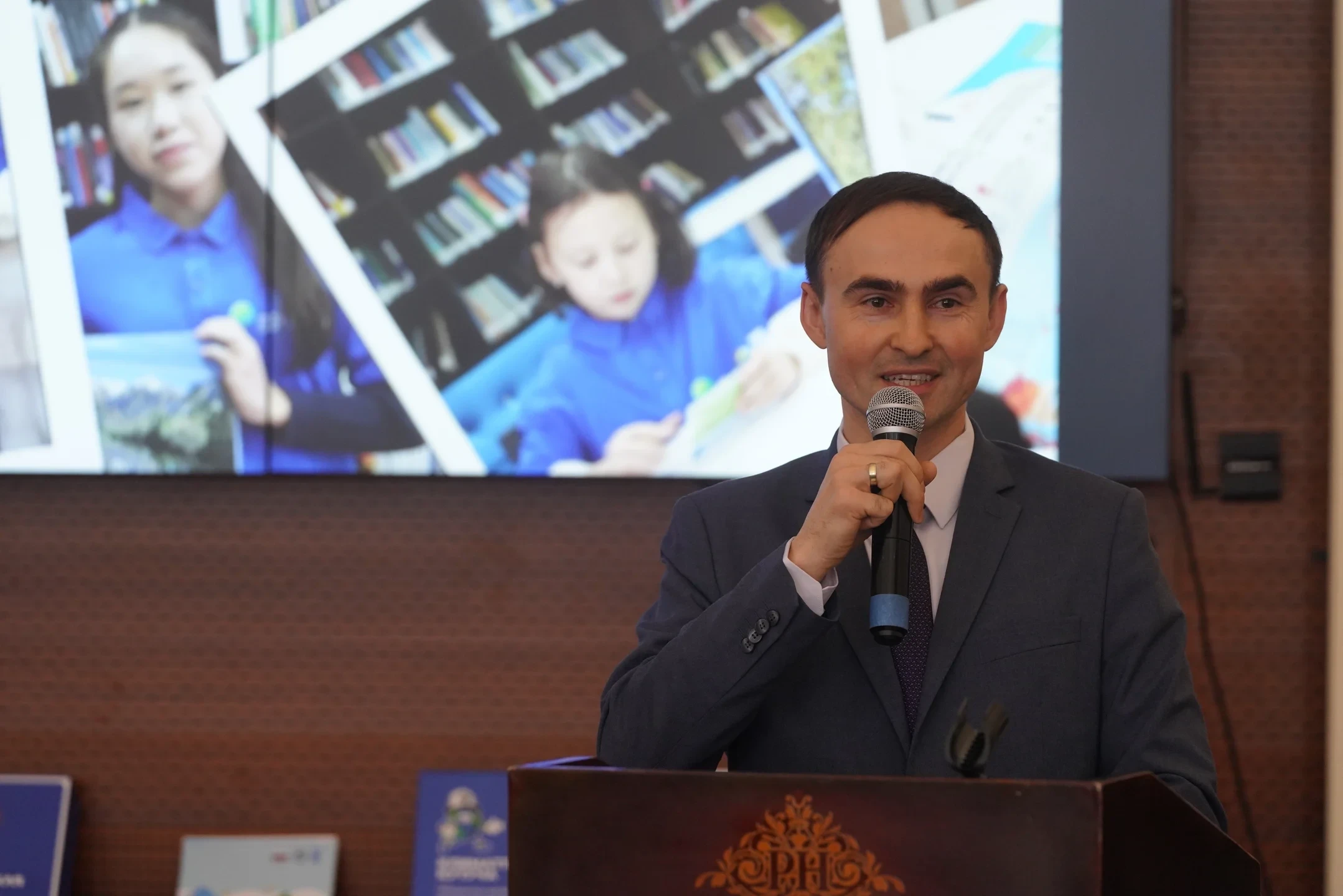
According to Almaz Toktomametov, director of the Republican Institute for Advanced Training and Retraining of Pedagogical Staff, "the integration of climate themes into the educational process contributes to the sustainable development and security of the country. Thanks to the 'Climate Box', teachers receive ready-made tools, and students gain the necessary knowledge that shapes their responsible attitude towards nature and resources." Currently, the 'Climate Box' is available in 17 languages and adapted for use in 12 countries, reaching over 50,000 students and more than 7,000 educators worldwide.
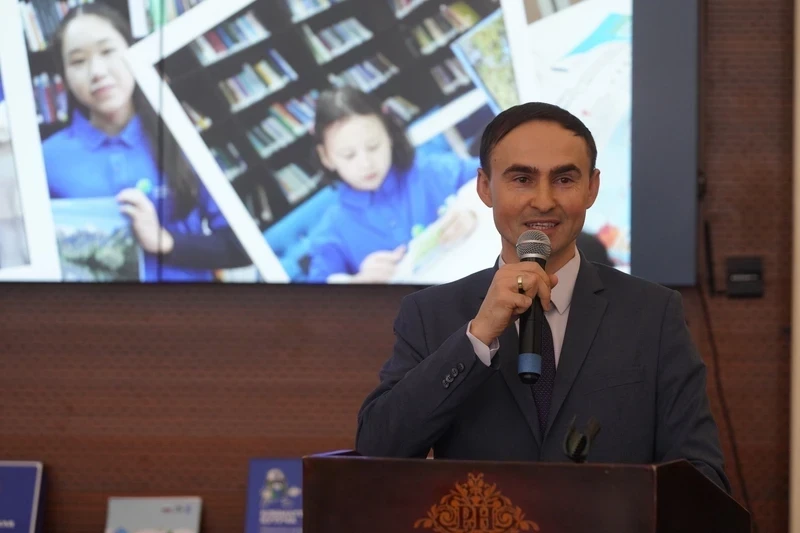
Ivan Prokopenko, advisor to the Embassy of the Russian Federation, noted: "Russia actively supports the sustainable development of Kyrgyzstan through various bilateral and multilateral projects. In particular, between 3 to 5 million dollars are allocated annually for UN projects in the country. It is especially pleasing to see how since 2016, the 'Climate Box' project has been providing schools in Kyrgyzstan with innovative materials that promote environmental awareness among students and foster responsible behavior. It is also gratifying to see talented children realizing their ideas thanks to this project."
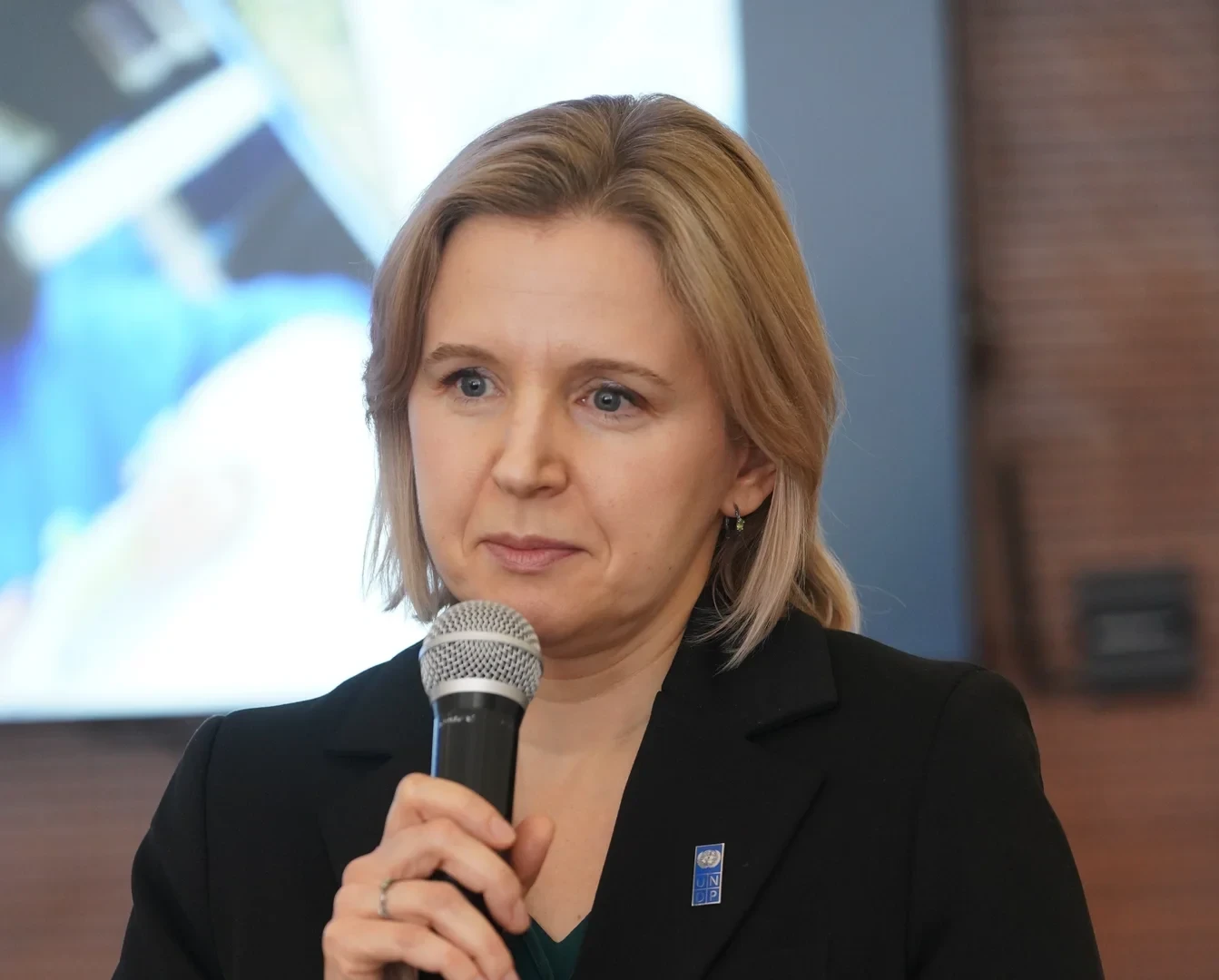
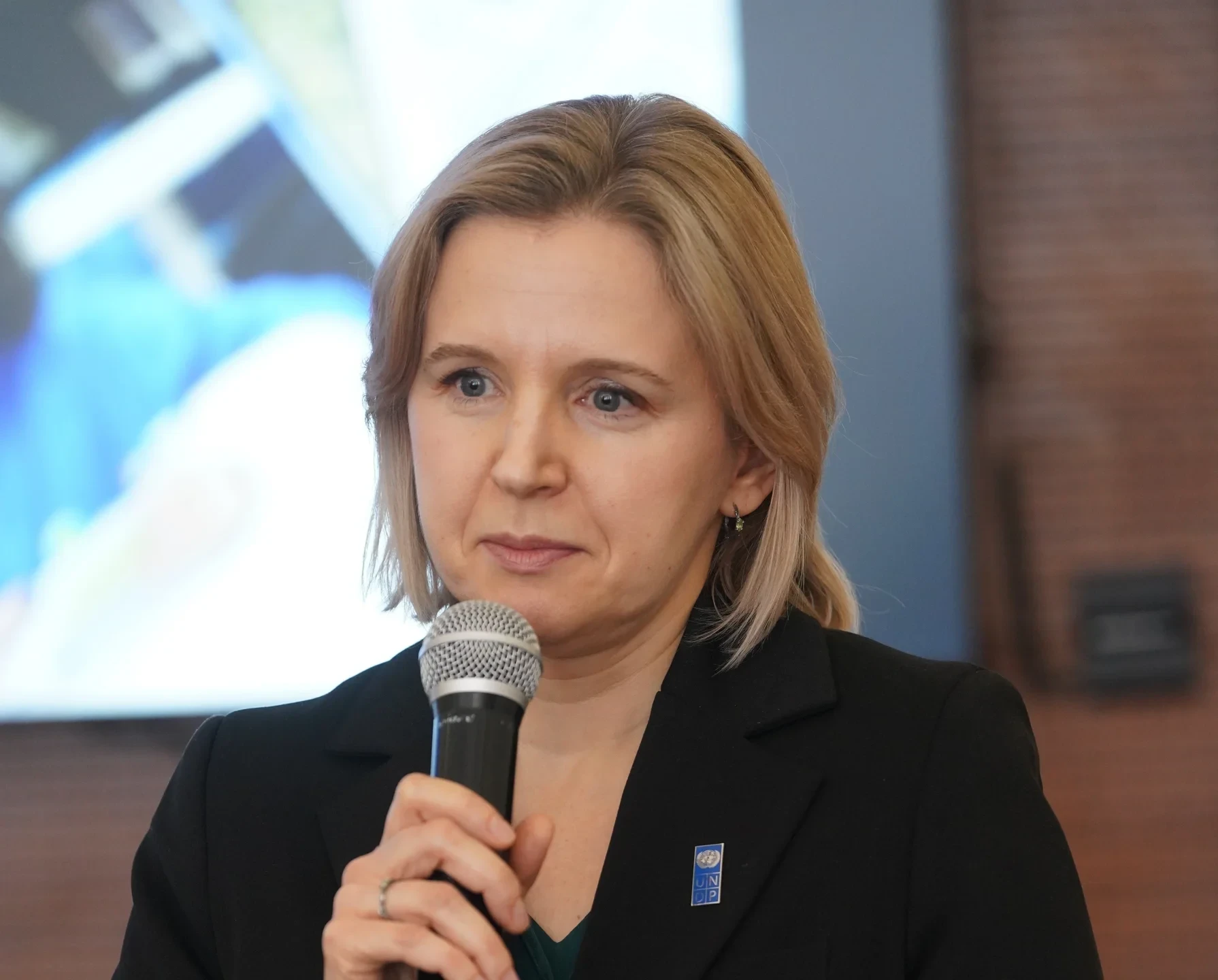
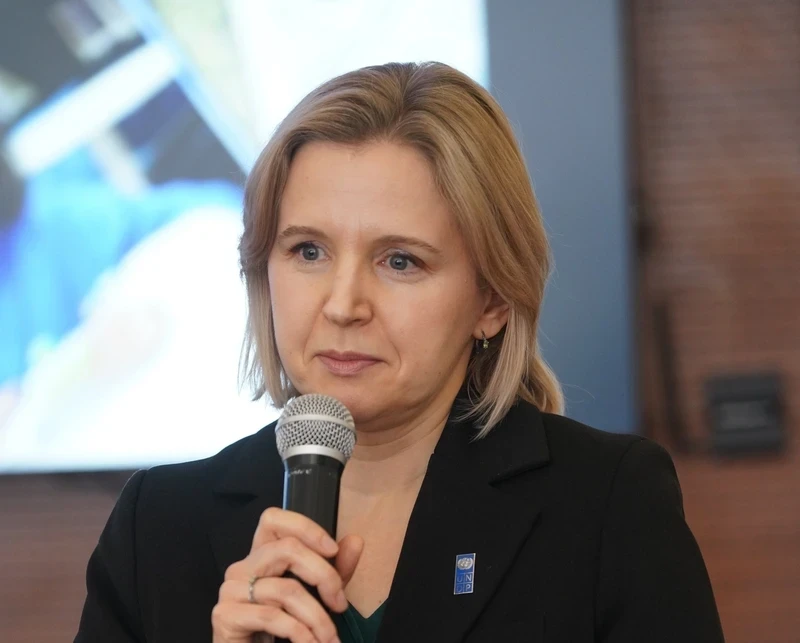
Alexandra Solovyeva, UNDP Resident Representative, emphasized that climate education is an important investment in the future. "By handing over the 'Climate Box' to the Ministry of Education, we highlight the importance of every student in Kyrgyzstan understanding how climate change affects their lives and what steps they can take. It is especially important that the materials are accessible to all, including children with disabilities, making climate education truly inclusive," she added.
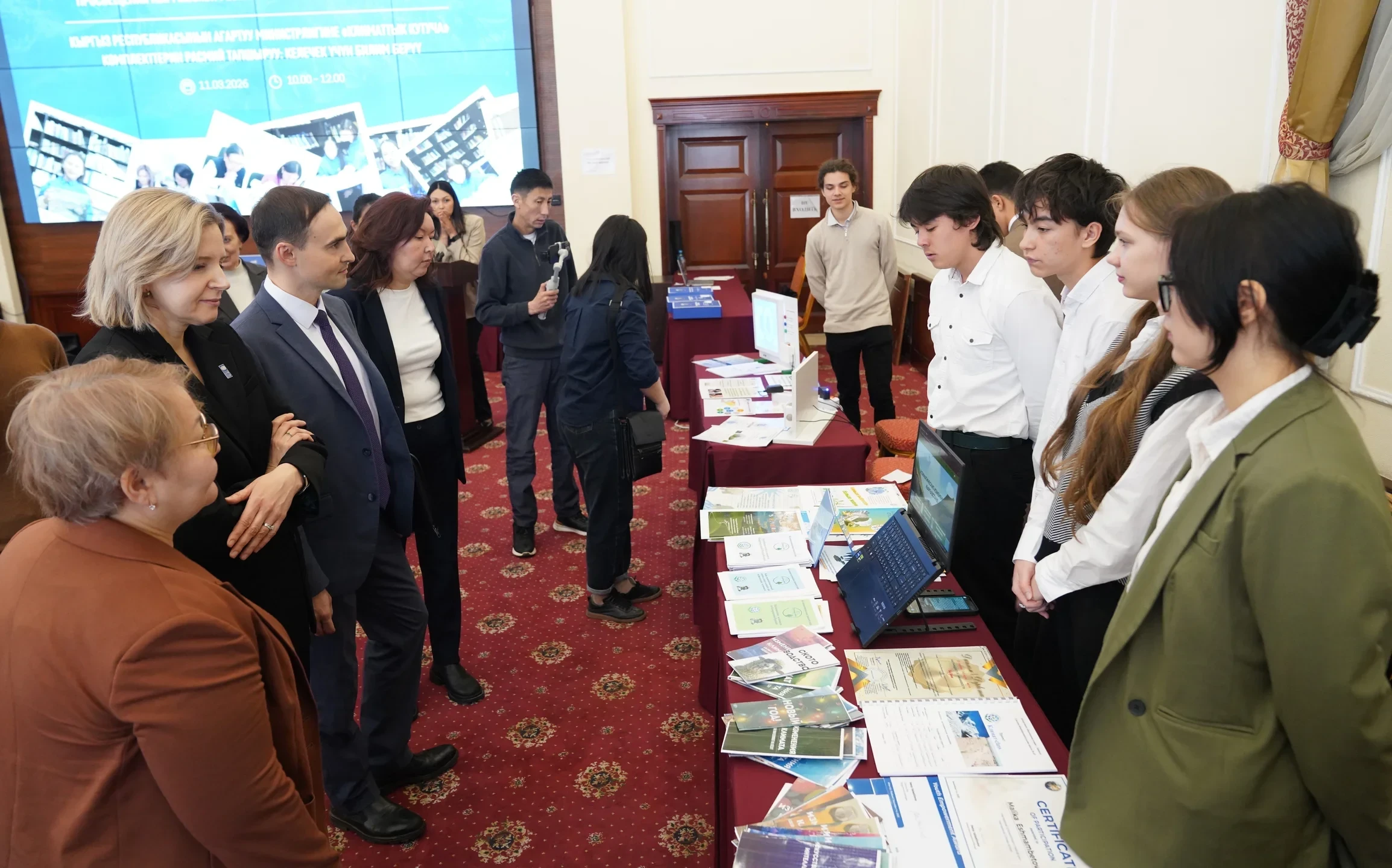
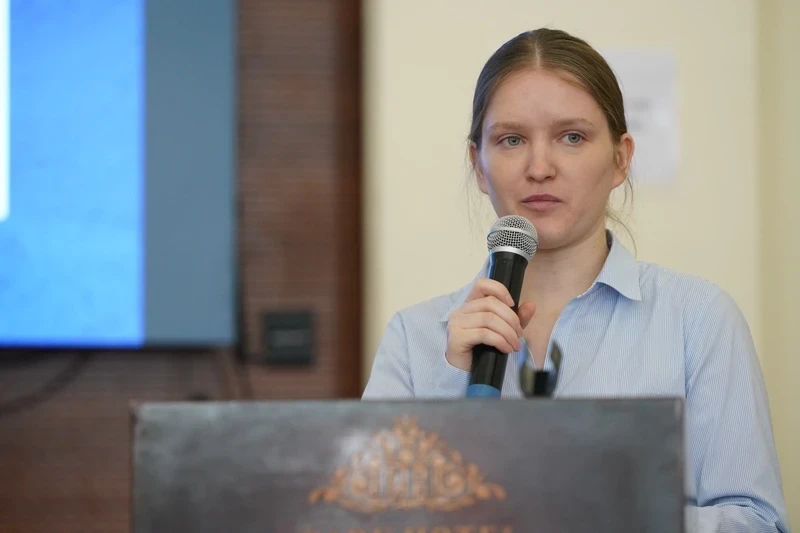
A key moment of the program was the presentation by students and a teacher who shared their experiences participating in educational events on climate topics and applying the materials of the 'Climate Box' in the learning process, both in lessons and within project activities.
Nurasyl Abdyjaparov, a student of secondary school No. 94 in Bishkek, noted that climate issues previously seemed complex and distant to him, but thanks to the 'Climate Box', he was able to better understand climate change issues through accessible examples and tasks, realizing that climate change affects both Kyrgyzstan and people's daily lives.
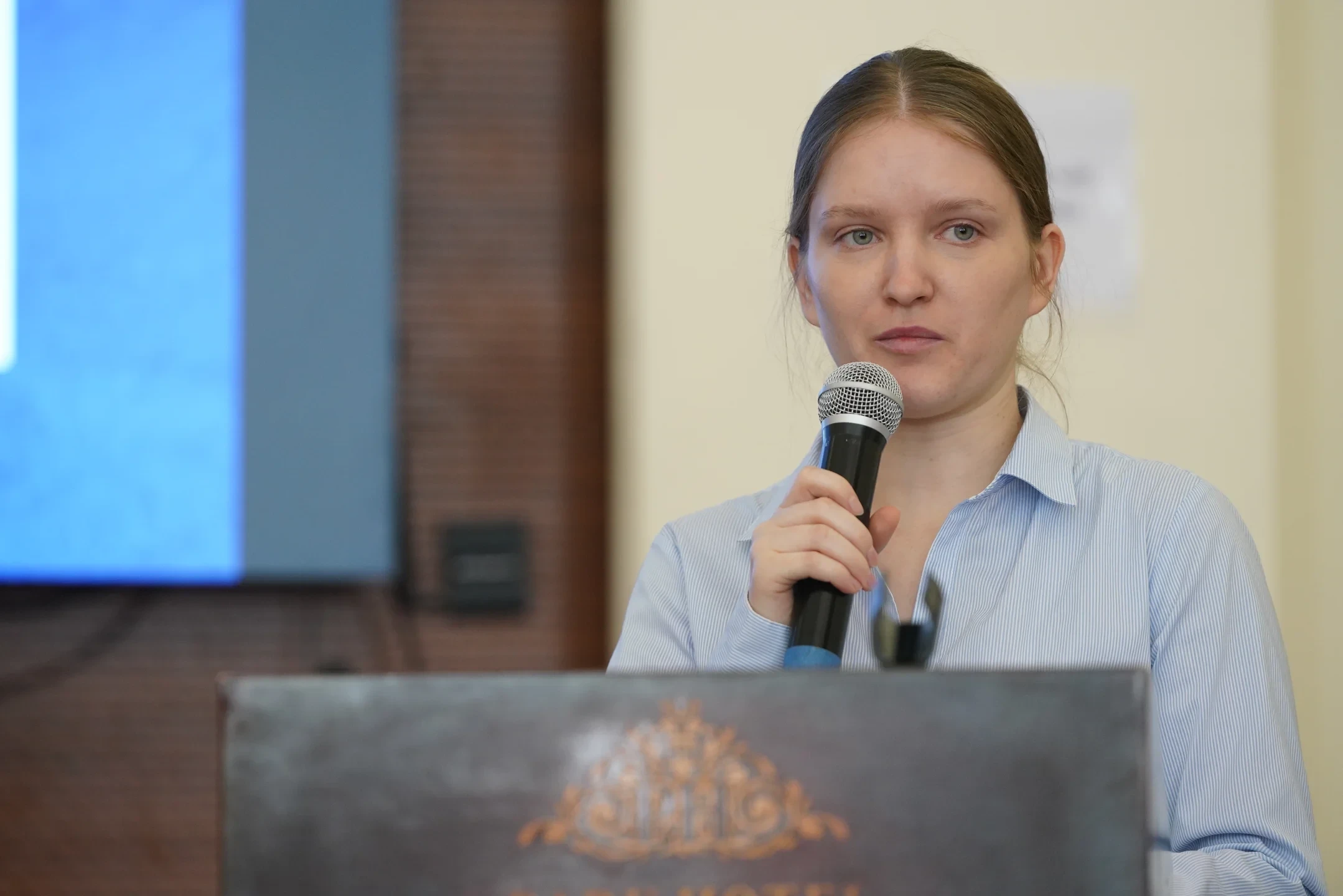
Angela Hanyuk, a geography teacher from secondary school No. 2 in Talas, added that climate themes should be integrated into various subjects, as this develops interdisciplinary thinking. After participating in the conference, she became more active in using project assignments and interactive materials, which positively impacted student engagement.
UNDP has been developing and implementing innovative educational solutions for over ten years, among which the 'Climate Box' is a global initiative demonstrating how international cooperation and local adaptation enhance climate literacy among youth. The program, which started in 2014 in Eastern Europe and Central Asia, has proven effective and is now being implemented in an expanded phase with digital tools and inclusive versions.
This activity is carried out with the support of the Russian Federation.
For reference: The 'Climate Box' began to be implemented in Kyrgyzstan in 2016. From 2016 to 2017, the project was tested in 21 schools with the participation of at least 125 teachers. In 2017-2018, the program reached over 100 schools and 500 educators, and by 2018-2019, it was implemented in almost all schools in the country.


