
The Ministry of Economy and Commerce has initiated a public discussion on a draft resolution concerning the ban on the export of used catalysts, slag, ash, and residues of precious metals contained in catalysts from Kyrgyzstan.
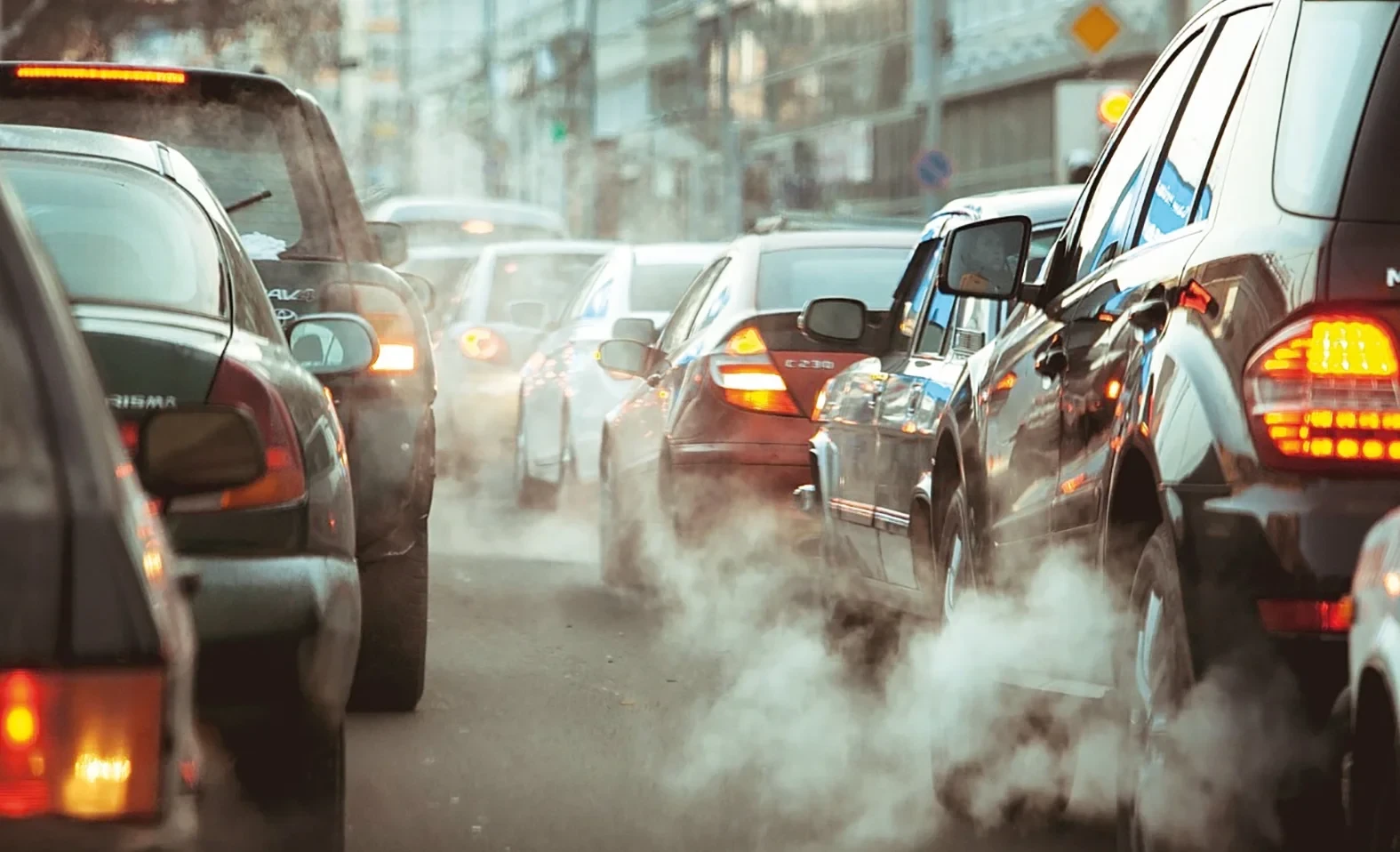
The main goal of this project is to protect public health and the environment, as well as to reduce air pollution caused by vehicle exhaust emissions.
The authors of the initiative emphasize that despite the measures being taken, the problem of air pollution in the country remains critically important. The main sources of pollution include both stationary sources (such as energy, mining, and processing enterprises, as well as the residential sector) and vehicles.
According to official data, stationary sources emit about 60,000 tons of pollutants annually, while road transport contributes approximately 400,000 tons to the atmosphere. Emissions from mobile sources have been increasing in recent years.
The quality of atmospheric air is monitored in Bishkek, Osh, Tokmok, Kara-Balta, and Cholpon-Ata using 14 stationary posts and one automatic station. In Bishkek, the automatic station conducts round-the-clock monitoring of 11 indicators, including nitrogen oxides, sulfur dioxide, carbon monoxide, ozone, and particulate matter of various sizes. Data analysis shows that the annual average concentrations of several pollutants exceed permissible values.
For example, in 2025, the average concentration of nitrogen dioxide was 0.07 mg/m³, with peaks reaching 2.3 times the maximum permissible concentration during the winter months. The concentration of formaldehyde reached 2.7 times the maximum permissible concentration, with exceedances of the norm observed in May by 3.7 times. A significant increase in PM2.5 levels is also recorded during winter, which is associated with unfavorable weather conditions and the active use of coal during the heating season.
The ministry noted that catalysts play an important role in vehicle exhaust systems by helping to neutralize harmful substances such as hydrocarbons, soot, carbon monoxide, and nitrogen oxides. Precious metals such as platinum, palladium, and rhodium used in catalysts make them highly valuable — their cost can reach 13% of the price of the vehicle itself.
The recent rise in prices for palladium and other precious metals has led to an increase in cases of theft and removal of catalysts from vehicles for subsequent resale. This has resulted in an increase in cases of illegal export of used catalysts and the precious metals contained in them outside the country.
The ministry reminded that a temporary ban on the export of catalysts was introduced in August 2021 and has been extended several times. As a result of the imposed restrictions, there has been a decrease in the volume of exports of catalysts, slag, ash, and residues containing precious metals to other countries.
Considering the complex environmental situation in the major cities of the country and the increasing demand for used catalysts, the ministry once again proposes to extend the temporary ban on their export for another six months.


