
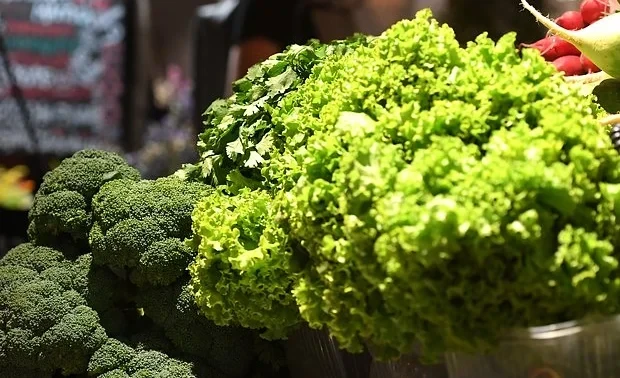
Research shows that vegetables such as broccoli, cabbage (both white and red), cauliflower, and arugula can reduce the risk of developing cardiovascular diseases. These are the conclusions of a review article that assessed the chemical composition of these products and their potential impact on health. The work was published in the journal Nutrients, reports Lenta.ru.
The review emphasizes bioactive components such as glucosinolates and their derivatives, polyphenols, phytosterols, carotenoids, and dietary fibers. Based on laboratory and preclinical studies, it has been established that these substances can reduce inflammatory processes, decrease oxidative stress, affect cholesterol levels, and regulate vascular tone. Some experiments show that they may have anti-aggregant effects and influence processes related to the development of atherosclerosis.
The review also examines data on how various methods of processing vegetables affect the levels of active substances. For example, boiling, steaming, fermentation, and storage can both reduce the content of glucosinolates and change their form, which in turn can affect their bioavailability. In some cases, fermentation promoted an increase in certain phenolic compounds, while in others, it led to a decrease.
However, the author of the work notes that most of the evidence is based on in vitro and in vivo studies, and clinical studies with large samples are still limited. Therefore, cruciferous vegetables can be considered a promising element of the diet with potential cardioprotective properties, but additional clinical trials are needed to confirm their role in the prevention and treatment of cardiovascular diseases.
Previously, researchers found that beet juice contributes to a healthier aging process.


