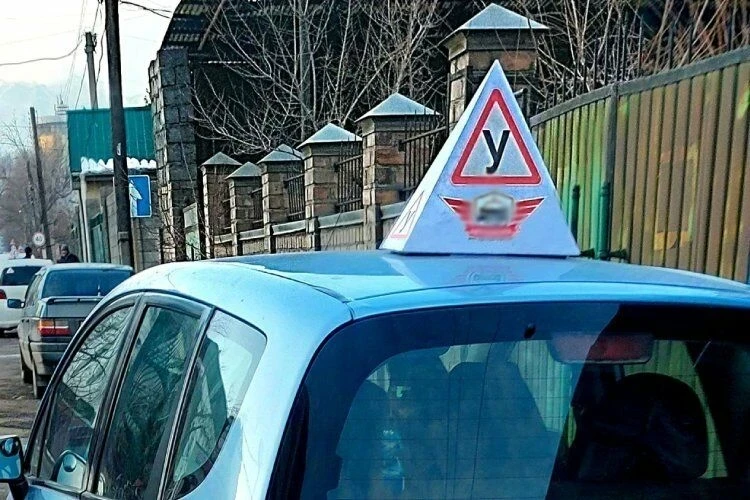
The detention of Tagaybek uulu is part of broader changes in the driver training system. Since the beginning of the year, the Presidential Administration has implemented a new regulation for training and issuing driver's licenses, stating that training will be conducted exclusively in state driving schools.
According to the owners of private driving schools, their activities have been effectively paralyzed since January 23. They claim that the State Center for Vehicle Registration has closed access to the unified database necessary for the functioning of the schools.
On January 27, representatives of private driving schools, including Mederbek Tagaybek uulu, went to a government agency to demand clarification. He protested against the actions of officials and gave an interview to the media, which attracted public attention.
This incident also elicited a response in parliament: at a meeting on January 28, several deputies of the Jogorku Kenesh raised the issue of creating a parliamentary commission to analyze the consequences of the reform.
The new rules also include an updated curriculum: the training period for obtaining a category B driver's license is 480 hours (ten months), while for categories B and C it is twelve months.
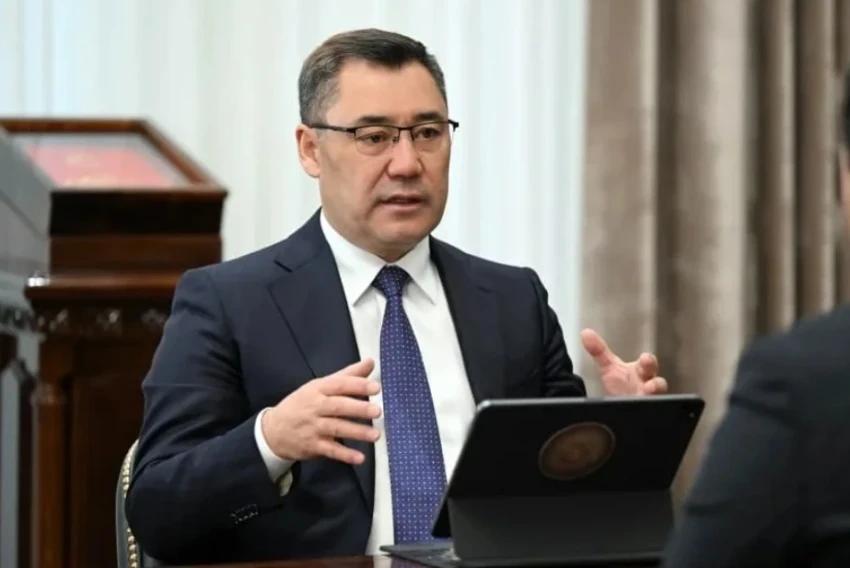
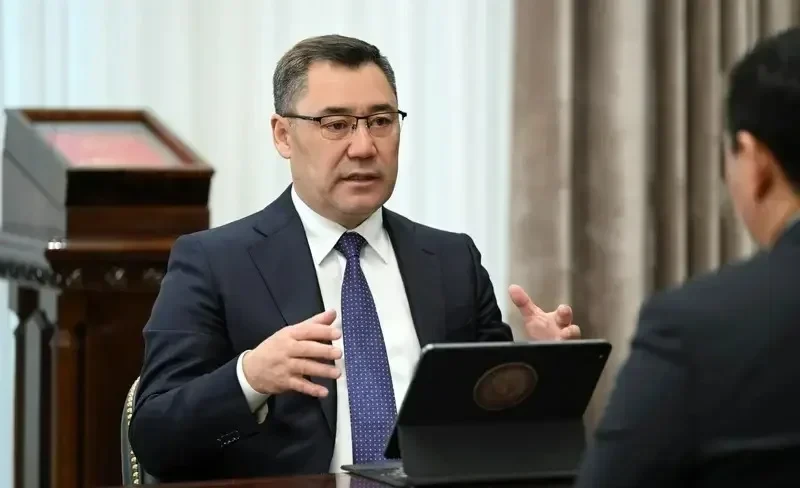
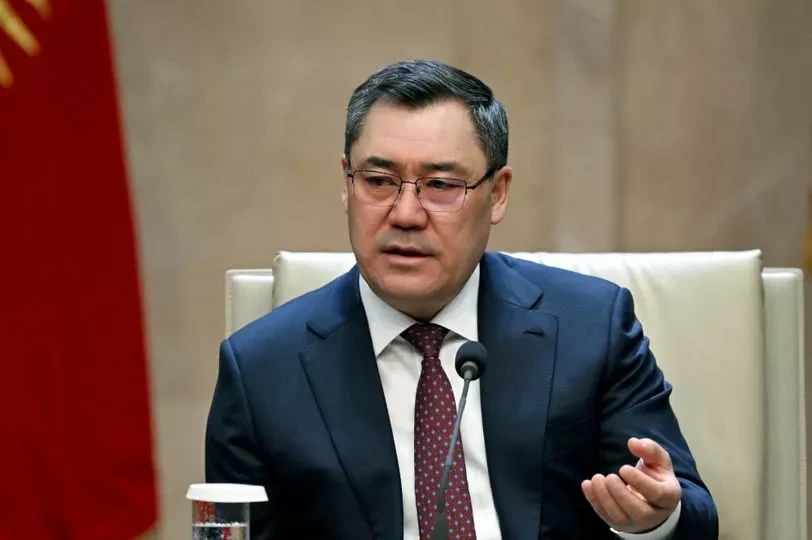
On January 30, President Sadyr Japarov signed a decree suspending the licenses of private driving schools, which became official confirmation of the changes in this area.
In an interview with "Kabar," the president explained his decision:
— Many private driving schools are not interested in quality driver training; their main goal is to make money. Citizens submitted documents and then received certificates of supposedly completed training, sometimes even without taking exams at "Unaa."
— There was a corrupt scheme involving "Unaa," which issued licenses. Exams were passed easily—often due to bribes.
— Now, with the introduction of strict control at the state enterprise "Unaa," graduates of private driving schools face difficulties in passing exams, and many fail them several times. The reason is insufficient training level.
Among the youth, there are many holders of driver's licenses who do not know how to drive and sometimes say, "I'll buy a car—I’ll learn."
— Can the increase in traffic accidents be linked to this problem?
— There are many reasons, but one of the main ones is the low requirements for driver training.
In Kyrgyzstan, more than 900 people die annually as a result of traffic accidents, and in some years this figure exceeds a thousand, which is a tragic fact. Even in wartime, we do not lose as many people as we do on the roads.
The rise in accident rates is also due to corruption in the driver training system, the purchase of licenses, and the low quality of training. These facts must be acknowledged.
— What are the advantages of state driving schools?
— State driving schools have all the necessary conditions for training: modern infrastructure, updated equipment, and qualified instructors. We independently publish textbooks and teach drivers not only how to drive but also about the structure of the car, technical aspects, traffic rules, and road behavior culture.
The priority is the safety of citizens, not profit-making.
— Owners of private driving schools express dissatisfaction due to the closure of their businesses. How would you respond to this?
— We warned them in advance about the need for reforms. Many continued to operate under old schemes, striving for quick profits. The responsibility for driver training took a back seat.
Irresponsible attitudes toward training cannot go unnoticed. However, we are ready to offer jobs to specialists who worked in private driving schools in state institutions.