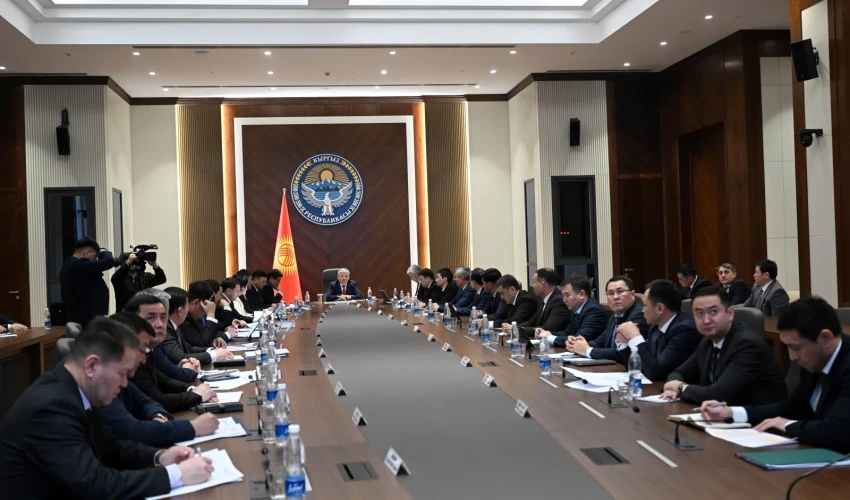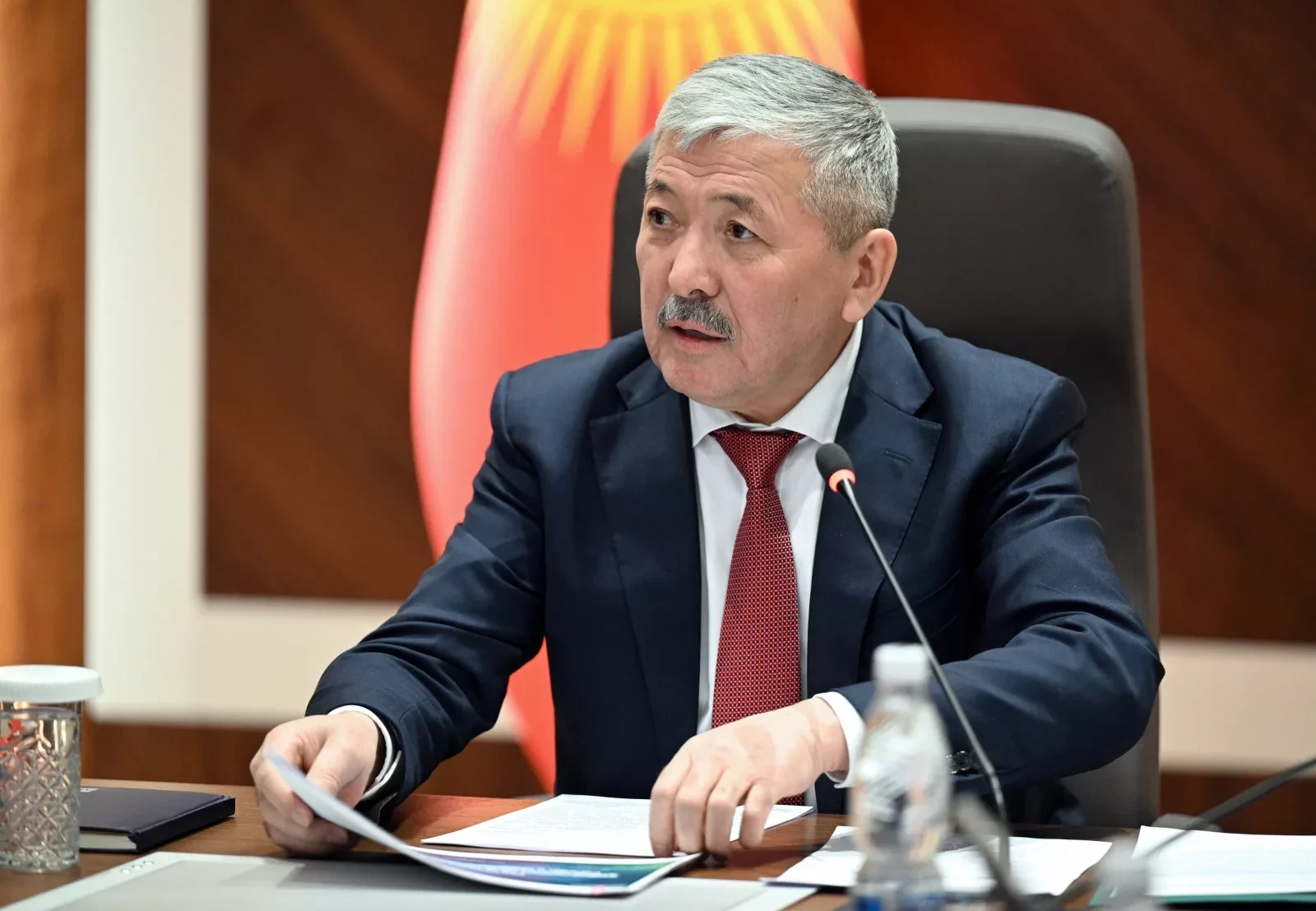
Recently, a meeting was held under the leadership of Adylbek Kasymaliev, the Chairman of the Cabinet of Ministers of Kyrgyzstan, where measures to reduce bureaucracy in the system of public administration were discussed.
During the meeting, Kasymaliev highlighted key areas of work on debureaucratization: providing citizens with quality and accessible services, as well as creating favorable conditions for business.
“By 2025, we have already done a lot to achieve these goals. Debureaucratization is being carried out in several stages. The first stage covers central government bodies: here, procedures for citizens and entrepreneurs have been simplified, electronic interaction between agencies has been established, duplicative functions have been reduced, and unnecessary barriers have been eliminated. The second stage will focus on the regions. We are starting a reform aimed at increasing the efficiency of management at the local level, reducing bureaucratic procedures, and improving conditions for doing business. If excessive requirements and prolonged decision-making times persist at the district and city levels, the reforms will not be effective,” he noted.
Kasymaliev also emphasized that the most important stage of debureaucratization is now moving to the regional level. Each akim (local governor) and leader in the field will have to bear personal responsibility for the performance of assigned functions. Local authorities will need to eliminate duplicative tasks, shorten decision-making times, and promptly address issues on the ground.
The head of the Cabinet of Ministers added that it is necessary to eliminate bureaucratic barriers for business, including reducing the time for issuing permits and approvals, as well as ensuring transparency in inspections in accordance with the law.
“The state should act not as a controller, but as a partner for business. An open dialogue with entrepreneurs must be established in every region. In case of problems, entrepreneurs should clearly understand who is responsible for resolving them and within what time frame. Local authorities must be involved in the real economy, not remain in offices,” he stressed.
In addition, the chairman noted that digitalization will become an important tool in the process of debureaucratization and called for the active use of digital technologies both at the central level and in the regions.
The pilot project will involve:
- 2 cities — Tokmok and Naryn;
- 3 districts — Nookat, Batken, and Tyup;
- 2 regions — Jalal-Abad and Talas.
During the meeting, reports were presented on the progress of implementing measures for debureaucratization aimed at optimizing the regulatory framework and simplifying administrative procedures, as well as plans for coordinating actions between central and local government bodies to ensure the sustainability of the reforms.
As a result of the meeting, instructions were given to the heads of state and local government bodies.
The further implementation of the reforms will be coordinated by the National Institute of Strategic Initiatives under the President of the Kyrgyz Republic in conjunction with the Ministry of Justice of the Kyrgyz Republic, conducting systematic work with local authorities.