
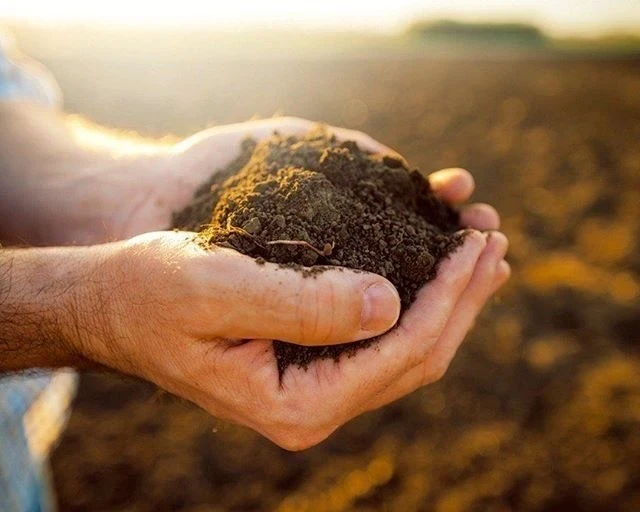
During the discussions at the "Organic Agro Dialogue," Jazgul Ibraimova, a senior lecturer at KNAU, noted that organic farming in Kyrgyzstan can only develop when we stop viewing it as a temporary trend. She emphasized that this is the only way to preserve soil health and ensure food security for future generations.
Jazgul Ibraimova highlighted that issues of ecology and health are becoming not just beautiful phrases, but a necessity. "The transition to organic farming is not a temporary trend, but a scientifically justified and economically viable step into the future," she added.
As an expert in soil science and agrochemistry, she reminded of the serious risks: uncontrolled use of mineral fertilizers and chemicals leads to soil degradation. This results in decreased biological activity, the disappearance of humus, and the destruction of the natural balance. In contrast, an organic approach allows the soil to "breathe," activates the microflora, and promotes long-term soil fertility.
The foundations of organic farming systems lie in simple yet effective methods: the use of compost, green manures, bioprotection, and proper agronomy. This concerns not only yield but also the quality of products, which significantly impacts food safety.
Moreover, there is an economic interest for the country: the growing demand for eco-friendly products in both domestic and international markets opens up opportunities for farmers to increase their incomes and develop Kyrgyzstan's export potential.
Nevertheless, Jazgul Ibraimova acknowledges that the transition to organic farming will not happen overnight. It is a long and complex process that requires extensive knowledge and government support. "As scientists and educators, we must reach out to farmers, offer consultations, conduct soil analyses, and help implement these technologies in practice," she concluded.


