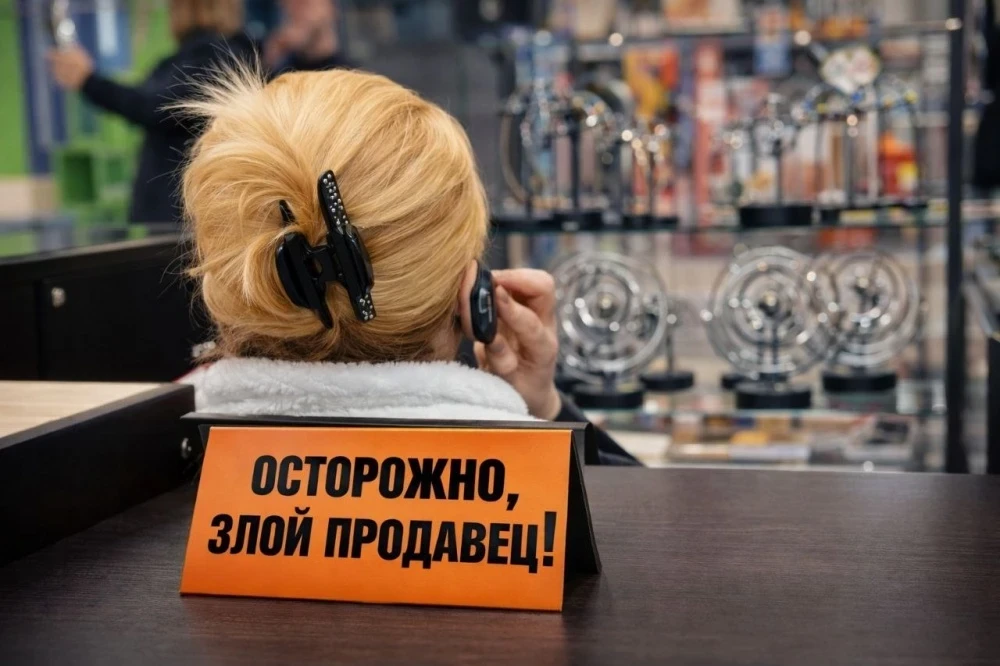
Previously, we discussed how there has been a sharp turn in digitalization issues in Kyrgyzstan. Many buyers, accustomed to the convenience of electronic payments, have faced unexpected restrictions: "Cash only!" is heard everywhere.
Since 2026, the use of electronic wallets registered to individuals or their relatives has been strictly prohibited. For a regular transfer to a seller's personal number, fines are now imposed: 20,000 soms for individuals and 65,000 soms for legal entities. Moreover, tax authorities have been granted the right to deduct debts directly from electronic accounts.
After our previous publication, users began actively commenting on the situation, and their opinions show that not all entrepreneurs support these reforms. Perhaps the lack of clear explanations from the State Tax Service is causing confusion and fears among people. We have gathered the most vivid opinions reflecting the current situation in small business.
“I fundamentally refuse to use electronic accounts; I'm tired of taxes! It's never enough for them! Now they want 6% from every amount, where is the fairness?” shares one commenter.
“Small businesses are not against using individual entrepreneur accounts, but the huge fees on incoming transfers make it extremely unprofitable. Let the banks cancel the fees, and many will open business accounts,” notes one of the women from Kyrgyzstan.
Another entrepreneur confirms her words with specific figures: “For internal transfers, banks charge 1% or 1.2%, and for transfers from other banks – 2%. Taxes are calculated from the principal amount, not taking these fees into account. Significant amounts go to taxes and fees, believe me.”
The issue of trust in banks is also acute: “Payments do not arrive on time: sometimes instantly, sometimes the next day, and sometimes they don’t arrive at all. Tracking payment history is very difficult. There is no trust in banks — that’s the first reason, and the fees are the second! Let the government force banks to eliminate the fees, and then we will easily switch to business accounts.”
Discussions of the new regulations on social media quickly escalated into debates between supporters of the reform and entrepreneurs presenting their calculations.
“Now sellers at markets will open accounts or individual entrepreneur accounts, and they will have to pay interest to banks again. As a result, prices will rise again, and people will suffer again,” claims one woman.
However, other commenters argue, pointing to small bank fees:
“What price hike? The fee is 0.8% of the total amount. It’s bearable; we are working. There are no fees for transfers from MBank to MBankBusiness,” asserts a certain Kanybek.
Nevertheless, entrepreneurs insist that the real financial burden is significantly higher than it seems at first glance.
“If 30,000 soms are processed per day through the cash register, then the tax at the end of the month will be about 41,000 soms. This is already 30-35% of the net income of small business owners. And this is only the tax from the cash register, not counting other taxes. A reasonable person will be forced to raise prices to avoid working at a loss,” notes one user.
Thus, there is a need for urgent and detailed explanations from the State Tax Service of Kyrgyzstan. Entrepreneurs should not have to guess about the essence of the reform; they need accurate and verified information. Clear instructions and open dialogue will help reduce tension in the business environment and prevent a mass shift of payments into the shadow economy.