
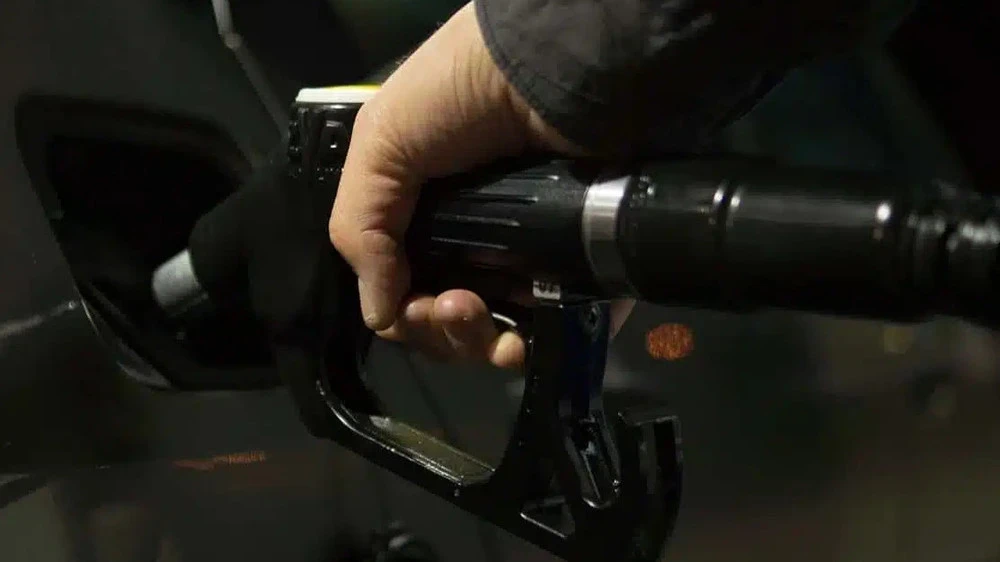
The conflict with Iran continues to have a serious impact on the global energy market, the consequences of which are already noticeable at gas stations around the world. Over the past month, a sharp rise in gasoline and diesel prices has been observed in several countries, with increases in some cases reaching tens of percent.
The most significant price increases have occurred in Southeast Asia. Cambodia has emerged as the leader in price growth, with an increase of nearly 68%. It is followed by Myanmar with over 55% growth and the Philippines with an increase of about 54%. In Vietnam, fuel prices have risen by almost 50%. Experts note that internal issues in these countries, such as economic instability and currency depreciation, are exacerbating the situation.
A relatively high price increase is also noted in other regions. In Nigeria and Zimbabwe, the increase ranged from 40% to nearly 50%, while in Australia, prices rose by about 42%. Guatemala, Sri Lanka, and Laos are experiencing increases of 30-34%.
In the United States, fuel prices have risen by about 30%, especially on the coasts, while in Canada, the increase ranged from 25% to 28%. Even Norway, known as an oil-producing country, has faced a price increase of 24% due to high tax burdens.
The situation in Europe is more complex: diesel prices have risen faster than gasoline. In Spain, the increase in diesel prices was about 35%, the highest in Europe. In France and Germany, diesel prices have increased by about 32.5%, while gasoline has risen by 17-18%. In Italy, diesel prices have risen by nearly 20%, while gasoline has increased by less than 5%.
Some countries have managed to partially control price increases. In China, the increase was about 11%, in Brazil around 12%, and in India only 5%. India's success is attributed to oil purchases at reduced prices and government regulatory measures.
Israel has also joined the ranks of countries with moderate price growth at around 15%. However, even such figures are already causing public outcry.
Experts believe that instability in the Middle East and risks associated with the Strait of Hormuz will continue to exert pressure on the market. This suggests that fluctuations in fuel prices may persist, and for countries dependent on imports, the situation will remain particularly acute.
Earlier, "Kursor" reported on Netanyahu's statement regarding a new phase of attacks on Iran.
According to Benjamin Netanyahu, strikes on Iran's petrochemical facilities are aimed at weakening its industrial and financial base.
Author of the material: Max Flair.


