
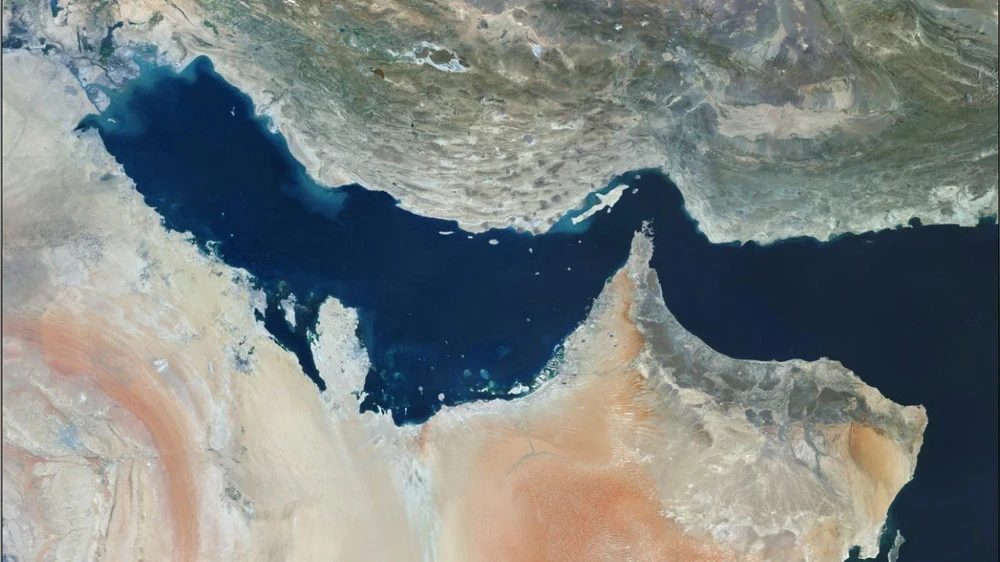
A satellite image of the Persian Gulf, connected to the Gulf of Oman by the Strait of Hormuz; 2025
In the first weeks of the standoff, both sides demonstrated their strengths. The US and Israel conducted a large-scale air operation, delivering thousands of strikes on pre-determined targets, resulting in significant losses among Iranian leadership and the destruction of missile production. However, after achieving initial objectives, the intensity of air attacks decreased, as confirmed by Donald Trump, who noted that "there are no more targets left to bomb." Despite this, the Islamic Republic did not collapse, and the new Iranian authorities managed to adapt by developing a "Plan B" strategy, which allowed them to draw the US into a war of attrition.
Iran unexpectedly began launching missile and drone strikes against its neighbors and Israel, although their frequency has decreased compared to the beginning of the war. These attacks, while not causing significant damage, deplete the stockpiles of missile defense systems, which is already affecting their effectiveness. It is unclear whether this decrease in intensity is related to the exhaustion of Iranian stockpiles or a new strategy of warfare.
Washington is facing pressure from Arab Gulf countries, which have become unwilling participants in the conflict, despite their desire to eliminate the Iranian threat.
However, the most serious problem has been the closure of the Strait of Hormuz to shipping, which was anticipated by Tehran in the event of a full-scale attack. Iran did not need a fleet or mining to block the strait — it was enough to make an official statement about its closure, reinforced by drone strikes on tankers. As a result, the world lost about 20% of oil and 25% of gas, which could lead not only to rising prices but also to a shortage of fertilizers, potentially resulting in humanitarian disasters.
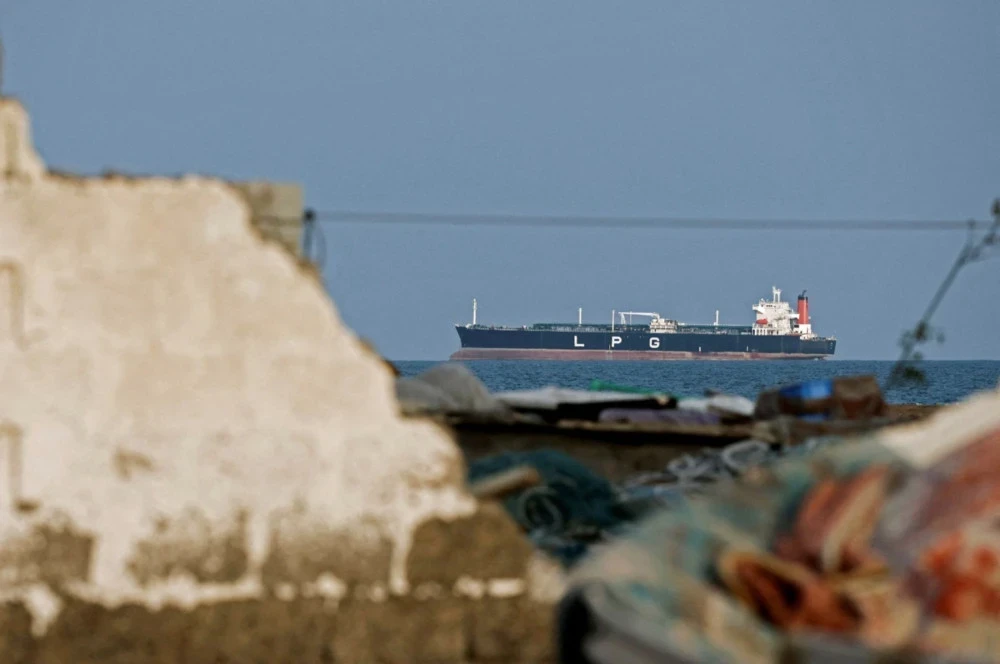
A tanker for transporting liquefied natural gas in the Strait of Hormuz, March 11, 2026
Trump is likely most concerned about rising fuel prices domestically amid global instability, especially with the upcoming midterm elections in Congress. In recent weeks, the administration has been trying to find a solution to the issue of the Strait of Hormuz.
How can the problem of the Strait of Hormuz be resolved?
Option One: Compromise with Iran
In recent days, Trump has made statements about being close to an agreement with Iranian representatives, who are being negotiated with through intermediaries. However, according to leaks, the positions of the parties remain unchanged, and reaching a compromise seems unlikely. Iran demands control over the strait and charging shipowners, while the US insists on freedom of navigation in pre-war status. Iran has already begun charging neutral vessels for passage, indicating its intention to manipulate the situation.
Option Two: Organizing Maritime Convoys
Creating convoys to protect shipping appears to be a "Plan B" for the US. While this is possible, the operation carries high risks, given that Iran possesses modern strike capabilities. To successfully secure the convoys, it will be necessary to destroy numerous Iranian targets onshore, which will require time and resources.
- First, the strait should be cleared of hazardous objects, which may take about two weeks.
- Destroyers with missile armament should approach the area to ensure the protection of the convoys.
- Tankers will be guarded both on the approaches to the strait and in the strait itself, which will require significant resources.
The risks of this operation are high, as even small losses among tankers could lead shipowners to prefer paying Iran for safe passage.
Option Three: Ground Operation
Military actions on land may not unblock shipping; however, the US command is already deploying Marines and paratroopers to the region. Their use could help identify and destroy Iranian strike capabilities awaiting the arrival of the fleet. However, such actions carry high losses and risks for the paratroopers.
Thus, if the Iranian leadership does not make concessions, it is likely that the escalation of the conflict will continue. Tehran does not seem ready to capitulate, and the US cannot compromise, leading to a protracted and dangerous situation.
Ultimately, if peace is not achieved, it will be extremely difficult to eliminate the threat to shipping in the region.


