Mojahtaba Khamenei
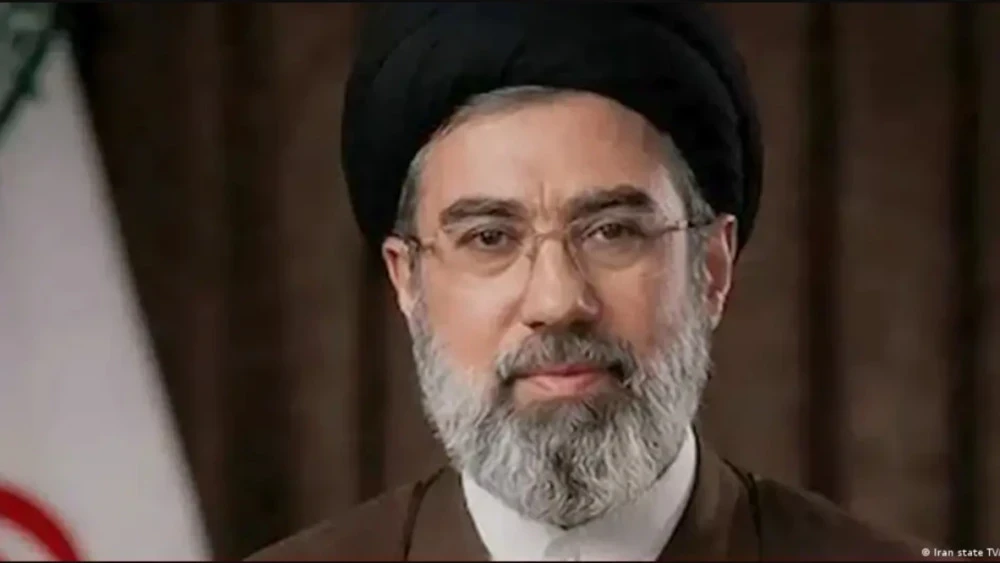
It is agreed that the appointment of the new Supreme Leader of Iran, Mojahtaba Khamenei, is a significant event confirming that power in the country remains in the hands of conservatives, while more moderate factions have been sidelined. Khamenei, now in office, will continue the conflict with the US and Israel, adopting an aggressive stance. The loss of close ones during the Israeli strike on February 28 will only strengthen his resolve. Donald Trump has already characterized Mojahtaba Khamenei as an "unacceptable" leader. However, his appointment, along with his ties to the Islamic Revolutionary Guard Corps (IRGC), indicates that the tactic of intimidating the Iranian regime has not yielded results. As noted by Sanam Vakil from Chatham House, the rise of the younger Khamenei to power signifies a continuation of the policy of repression within the country and confrontation on the international stage, which is further confirmed by his connections with high-profile officials in Iran. A central figure in the current standoff has become Ali Larijani, responsible for national security. According to Iranian, Arab, and European sources, he is conducting operations against targets in the UAE and Saudi Arabia and is ensuring that new protests do not flare up in the country. He was at the forefront of the brutal suppression of mass protests in January, when thousands of Iranians died, as reported by WSJ.
Larijani also added that Trump will have to "pay" for his actions regarding Iran.
Although Trump called Mojahtaba Khamenei a "weakling," he enjoys significant support within the IRGC, especially among the youth and radicals, as noted by Kasra Aarabi from the organization United Against Nuclear Iran. Khamenei began to gain influence during the 2005 elections when he helped Mahmoud Ahmadinejad defeat the more reformist Ali Rafsanjani. The subsequent elections, in which Ahmadinejad won again, were marked by mass protests and allegations of fraud, as people also opposed the possibility of Mojahtaba being appointed as Supreme Leader. The announcement of Mojahtaba's appointment to this position, despite threats from Trump and Israel, indicates that the Iranian regime is not willing to surrender. Vali Nasr, a former US official, believes this reflects confidence and unity among Iranian authorities. Analysts previously thought that Iranian elites would not dare to appoint the ayatollah's son, fearing it would create the impression of dynastic rule; however, the situation changed with the onset of the conflict. Vakil emphasizes that Mojahtaba now represents collective interests, especially after the tragic events surrounding his father's death. Larijani also noted that the new leadership should symbolize national unity. Immediately after the death of Ali Khamenei, Iran began massive launches of ballistic missiles and drones at targets in the Persian Gulf, confirming that hopes for limiting the conflict were unfounded, as noted by Robert Pape from Foreign Affairs. He argues that Iran's actions should not be viewed as random acts of revenge but as a strategy of horizontal escalation of the conflict, which could force a stronger adversary to change its plans. Pape cites examples from Vietnam and Serbia, where such a strategy led to significant defeats for the US. Clashes with leaders create powerful incentives for escalating the conflict, and if the Iranian regime survives the loss of its leader, it will be forced to demonstrate its resilience by expanding confrontations. The United States, while having inflicted significant damage, must consider the likelihood of an Iranian response; otherwise, it risks losing control over the conflict. "Khamenei's choice underscores continuity and challenge – a commitment to his father's legacy and the principles of the Islamic Republic, as well as a rejection of US and Israeli attempts to change the system," said Dina Esfandiari from Bloomberg Economics. She added that Khamenei is likely to continue military actions and demonstrate resistance.